What Defines Quality In Cannabis Concentrates
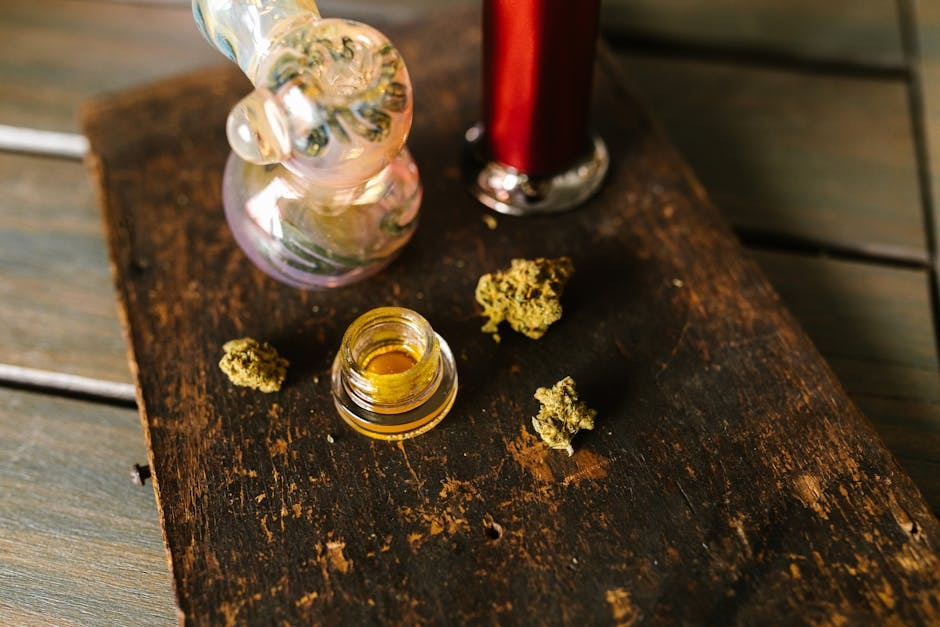
Guest Contribution – As legal cannabis markets mature, from Panama’s medical rollout to Canada’s recreational system, buyers move beyond flower into concentrates. Live resin, in particular, has become the benchmark for flavor and potency. But the word “premium” gets used loosely, so an informed buyer needs to know what actually separates a quality concentrate from a mediocre one.
In Canada’s established legal market, value-aware buyers compare options like premium live resin, the concentrate made from fresh-frozen plants to preserve aroma. The guide below covers how concentrates are made, what drives quality, and what any buyer in a legal market should check.
What Is Live Resin, and Why Does It Stand Out?
Live resin is a cannabis concentrate made from plants that are frozen immediately after harvest rather than dried and cured first. Freezing the fresh plant preserves the delicate terpenes, the compounds responsible for aroma and flavor, which usually degrade during drying. The result is a concentrate that tastes and smells much closer to the living plant.
Three things set it apart. First, the fresh-frozen process keeps a fuller terpene profile than most other extracts. Second, the flavor is more vivid, which drives its premium reputation. Third, the effect feels rounder to many users because the terpenes and cannabinoids work together.
The wider consumer framework sits in Health Canada’s consumer information on cannabis, which sets out the basics any buyer should understand before choosing a product.
What Six Factors Separate Premium From Mediocre Concentrate?
Six factors reliably distinguish a quality concentrate.
- The starting material, since fresh-frozen plants yield better live resin than trim.
- The extraction method and whether residual solvents are fully purged.
- The terpene preservation, visible in aroma and flavor.
- Third-party lab testing for potency, pesticides, and solvents.
- The texture and color, which hint at freshness and purity.
- Proper cold storage, since concentrates degrade in heat and light.
Each factor on its own is a clue. Together they tell the full quality story.
How Should a Buyer Judge Concentrate Quality?
A buyer should judge concentrate quality on evidence rather than marketing. The single most important signal is a current third-party lab report, often called a certificate of analysis. It confirms the potency and screens for pesticides, heavy metals, and leftover extraction solvents. A concentrate without testing is a guess no matter how it looks.

The sensory signals come next. Quality live resin has a strong, plant-like aroma and a consistent color and texture. A harsh chemical smell or an oddly uniform look can signal poor purging or low-grade input. The same legal-status questions buyers raise around cannabis legality apply to sourcing, where standards rise as buyers learn what to expect.
Regulation shapes the floor. The Canadian rules on composition requirements for cannabis products set the testing and labeling baseline that legal concentrates must meet. Buyers in any legal market benefit from the same standards.
What Should a First-Time Concentrate Buyer Verify?
A short pre-purchase checklist covers the questions worth asking.
- Confirm a current certificate of analysis is available for the batch.
- Check the extraction method and that solvents are purged.
- Read the terpene and potency figures rather than just the name.
- Verify the product is legal-market and properly labeled.
- Look at color and texture for freshness signals.
- Confirm cold, dark storage at the retailer and at home.
The same scrutiny experienced buyers apply when comparing cannabis strains applies doubly to concentrates, where the extraction step adds its own risks.
A Quick Pre-Purchase Reality Check
A short pass covers what a concentrate buyer should confirm before ordering.
- Confirm a batch-specific lab report exists
- Note the extraction method and solvent-purge status
- Read the terpene and potency percentages
- Verify legal-market sourcing and labeling
- Check color, texture, and aroma signals
- Plan for cold, dark storage after purchase
Why Concentrate Quality Matters as Markets Mature
Concentrate quality matters because the category rewards the informed buyer and punishes the casual one. A tested, well-made live resin delivers the flavor and effect that justify its premium. An untested concentrate can carry residual solvents or contaminants that no price tier excuses. The gap between the two is invisible without the lab report.
The shift also tracks the wider market. As Panama builds its medical framework and Canada refines its recreational one, testing standards and consumer knowledge both rise. A buyer who learns to read a lab report once carries that skill across every future purchase. The habit compounds as the category grows.
For buyers anywhere, the lesson from Canada’s mature market is simple: read the testing, judge the terpenes, and let evidence rather than marketing guide the purchase.
Frequently Asked Questions
Is Live Resin Stronger Than Other Concentrates?
Not necessarily stronger in THC, but richer in flavor and aroma. Live resin’s fresh-frozen process preserves more terpenes than most extracts, which many users find produces a fuller experience. Potency depends on the specific batch, so the lab report is the real guide to strength.
How Can a Buyer Tell If a Concentrate Was Tested?
Look for a certificate of analysis from a third-party lab, tied to the specific batch. Legal-market retailers make this available, and it lists potency plus screens for solvents, pesticides, and metals. A product with no batch-specific testing should be treated with caution.
Does Live Resin Need Special Storage?
Yes. Concentrates degrade faster in heat and light than flower does. Cold, dark storage in an airtight container preserves the terpenes and potency. Many buyers keep live resin refrigerated, which protects the flavor that makes it worth the premium.
Why Is Live Resin More Expensive?
The fresh-frozen process and careful extraction cost more to produce, and the preserved terpene profile commands a premium. The price reflects both the input quality and the labor of preserving flavor. For buyers who value taste and a fuller effect, many consider the premium worthwhile.
________________________________________________________________________________________________________________
Advertisements placed in our Guest Contribution sections are in no way intended as endorsements of the advertised products, services, or related advertiser claims by NewsroomPanama.com, the website’s owners, affiliated societies, or the editors. Read more here.