Central America’s Largest Rodeo with Competitors from Panama is Coming to Costa Rica Sunday June 7
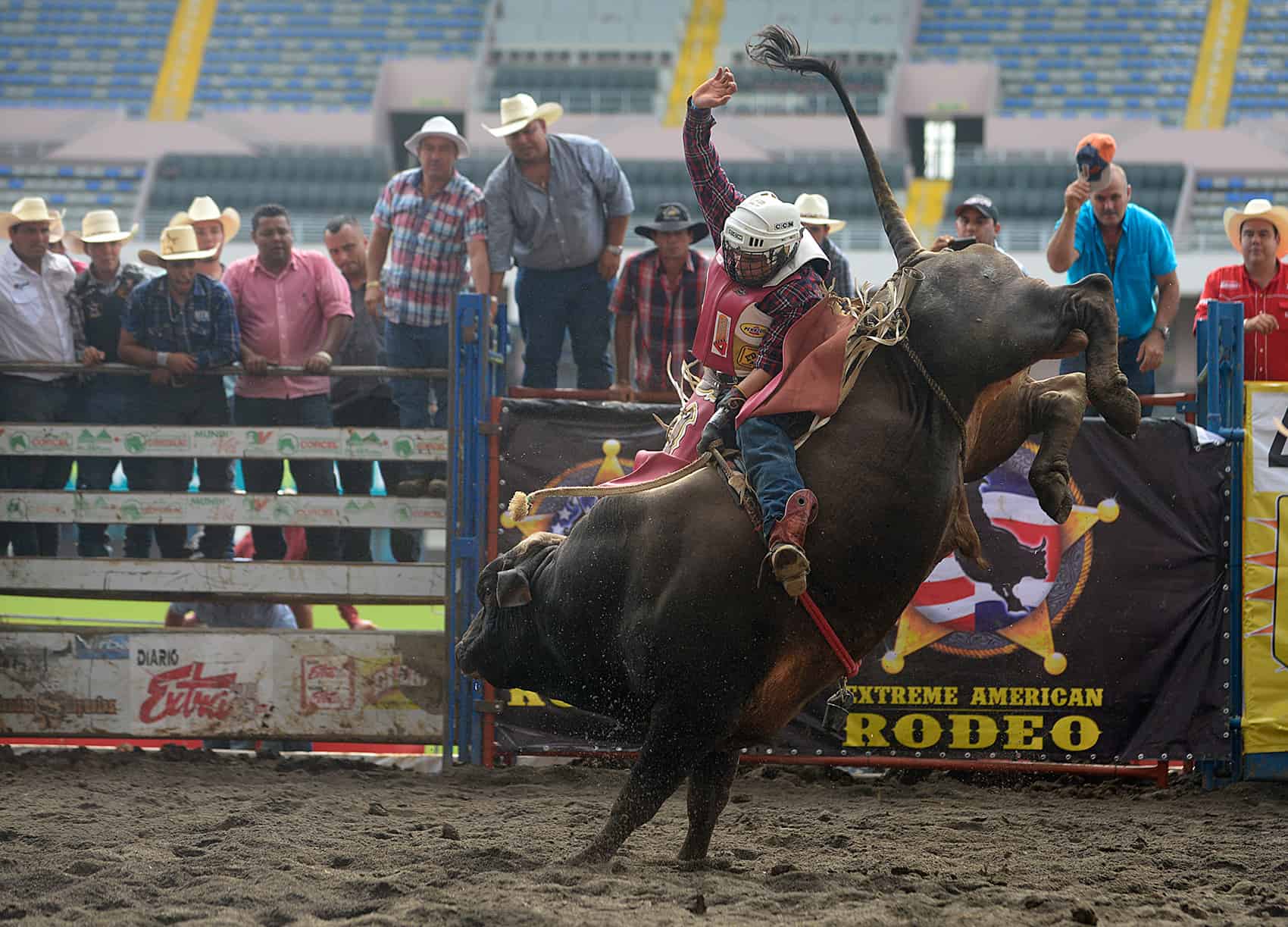
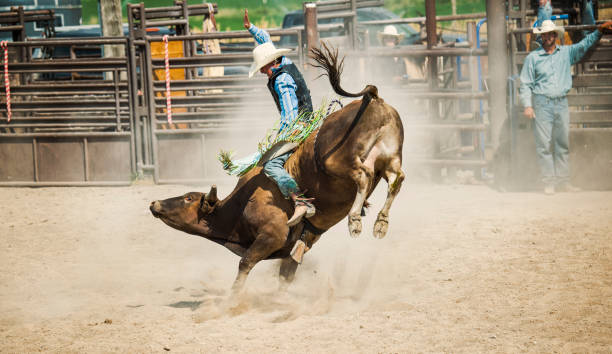
Costa Rica’s National Stadium will trade soccer chants for bull riding, barrel racing and cowboy culture on Sunday, June 7, when the Extreme American Rodeo 2026 takes over La Sabana for what is being billed as the largest rodeo in Central America. The event will be held at the Estadio Nacional in San José and is expected to draw fans from across our country, along with visitors looking for a different side of Costa Rican culture beyond beaches, volcanoes and wildlife tours. Organized by Family Fun and RPM TV, the rodeo will bring together competitors from Costa Rica, the United States, Mexico, Brazil, Colombia, Guatemala and Panama.
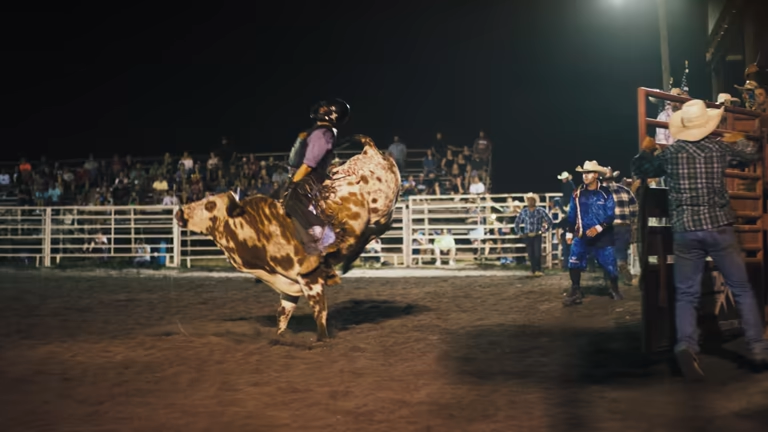
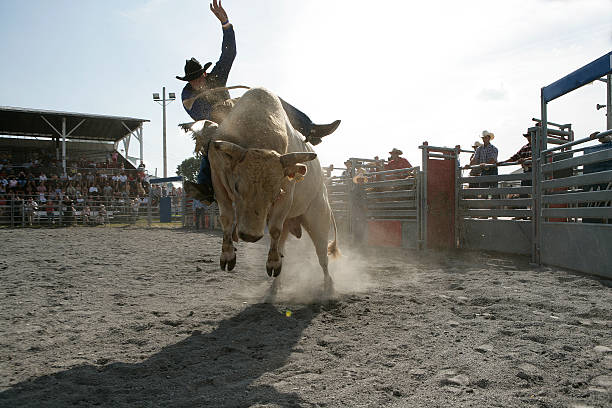
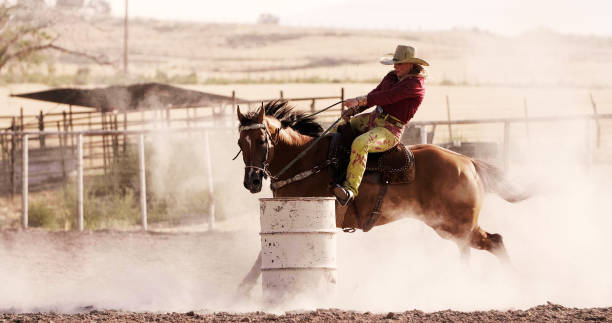
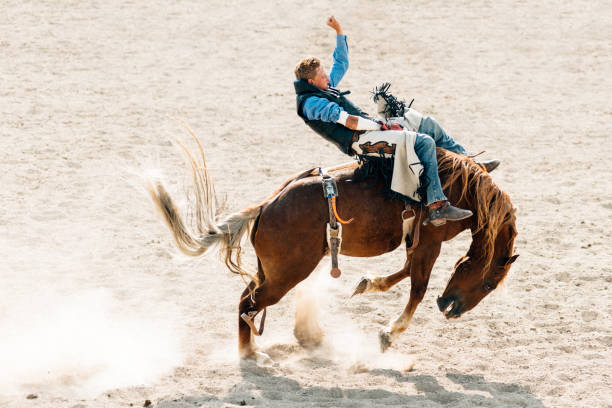
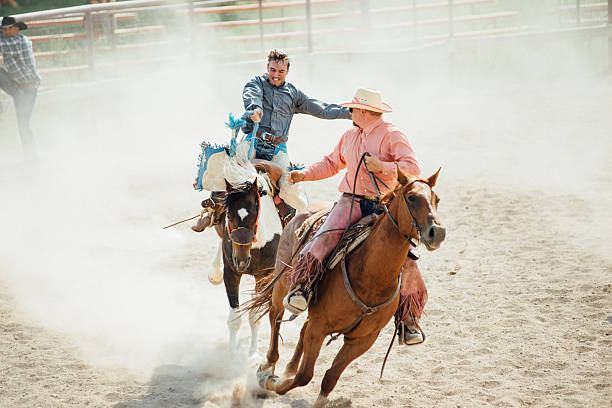
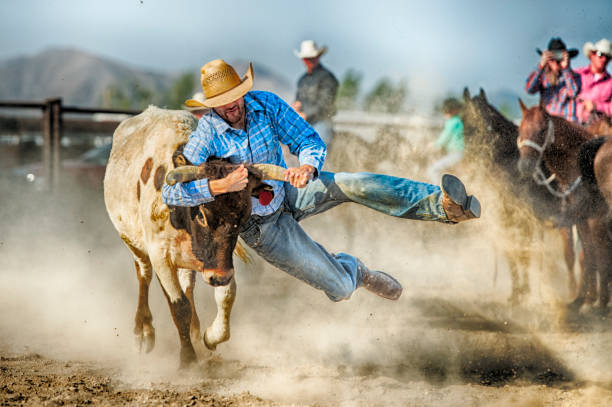
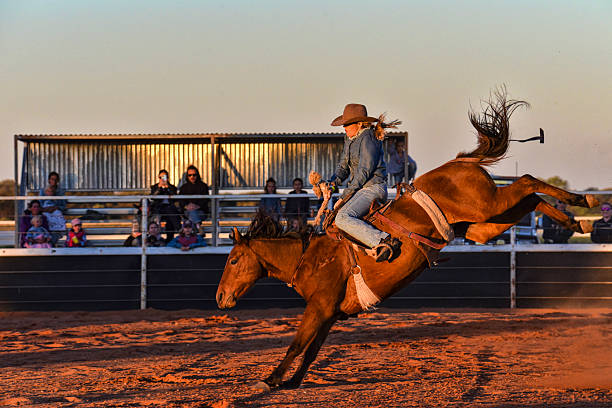
The program includes bull riding, barrel racing, team roping, team penning and breakaway roping, along with traditional Costa Rican-style riding. For tourists spending time in the Central Valley, the event offers an easy way to see a tradition that is usually tied to provincial fairs, especially in Guanacaste, where Costa Rica’s sabanero, or cowboy, heritage remains part of local identity. Guanacaste is widely associated with sabanero culture, folkloric music, cattle ranching traditions and community fiestas where rodeos and bull riding remain common attractions.
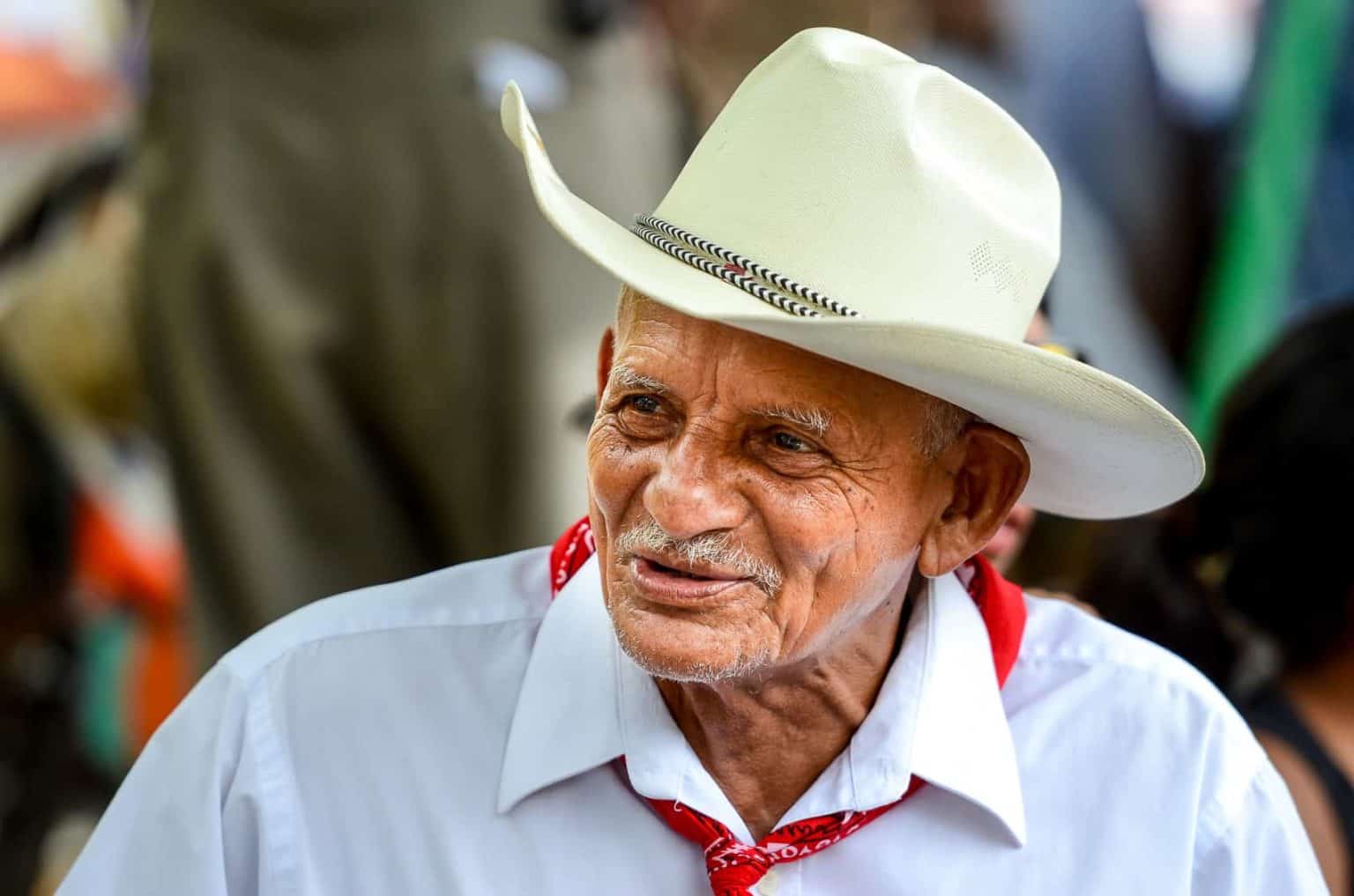
What is a Sabanero (Cowboy) in Costa Rica
The sabanero is an iconic figure in Costa Rican culture, known for their distinctive outfit and cowboy lifestyle in the cattle country. But what exactly is a sabanero? Let’s dive into this traditional identity that has become an integral part of the nation’s history and self-image. A sabanero (masculine) or sabanera (feminine) is a Costa Rican cowboy from the northern lowlands or “sabanas.” This cattle country spans the northwestern province of Guanacaste as well as northern parts of Alajuela and Puntarenas. Sabaneros wear particular gear and have customs associated with rural working life on large ranches called haciendas. Costa Rica’s sabanero culture arose largely in the 1700-1800s.
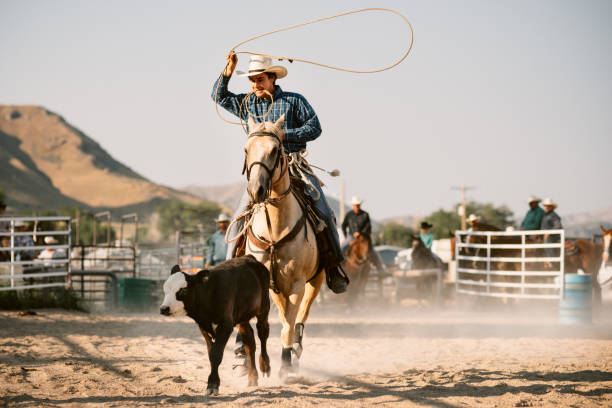
Spaniards had brought horses and cattle in the 1500s, and this livestock flourished on the dry tropical savannas. As the hacienda system took hold, cowboys emerged to manage free-roaming herds. They handled livestock drives to ports for export, becoming skilled riders and ropers. Initially called vaqueros, early sabaneros developed durable outfits for their labor and local conditions – wide-brimmed hats, leather boots and gloves, durable canvas pants. By the 1900s, traditional embroidered shirts were commonly worn as well. Distinct saddlery and gear also evolved to suit the landscape.
Over generations, sabaneros fostered rich knowledge of wildlife habits, weather patterns, medicinal plants and more while living off the land seasonally for extended cattle drives. Their lifestyle grew more informed by Native American elements versus strictly Spanish ranching. A mixed heritage and profound connection with environment thus defined sabaneros versus European-style cowboys. The sabanero look that developed in earlier eras remains emblematic of Costa Rican culture today. Key elements include: The famous, wide-brimmed hat often made of pressed felt or straw has a flat top and slightly upturned brim. It shields faces from the harsh tropical sun. Different designs signal region or rank, with mesh added for ventilation.
Hat bands may feature ornamentation. Light long-sleeve shirts made of breathable fabrics like cotton protect skin while allowing airflow. White shirts are very common, but decorative colors and embroidery give flair. Stylized floral patterns and stripe combinations make each shirt unique. Canvass pants dyed black or blue have leather reinforcements covering the inner thighs/knees for durability horseback riding. Looser fit allows air circulation while leather boot straps wrap under boots to keep pant legs from riding up. Handcrafted leather accessories complete the sabanero look – ranch boots, kneepads, gloves, chaps, saddlebags, bridles and other tack.
Ornate tooling and silver embellishments elevate purely functional items. Carpincho (capybara leather) became very valued. Beyond material elements, sabanero heritage encompasses horse mastery, roping/cattle driving skills passed through generations, ballads/oral traditions, seasonal migration for livestock drives, intimate ecological knowledge, and more. Hospitality and community solidarity also mark the culture. With its varied cultural influences and deep ties to the land, the sabanero identity expresses fundamental aspects of Costa Rica’s national character – resourcefulness, perseverance, creativity, freedom and pride.
From handcrafted garments to extensive ecological understanding, sabanero heritage remains very present across Costa Rican society today. The enduring cowboy lifestyle continues shaping language, customs, wildlife conservation, land rights issues and cultural events countrywide. So next time you see imagery of a classic Costa Rican cowboy, understand the rich historical significance it holds. Pura vida! Rodeos in Costa Rica are not usually packaged for international tourists in the same way as rainforest hikes, surf lessons or coffee tours. Much of it is rooted in local fiestas, where families gather for food, music, carnival rides, horse parades and bull events.
That makes the June 7 show noteworthy because it brings rural and regional traditions into one of our country’s most visible urban venues. The organizers have promoted the Extreme American Rodeo as a large-format show combining sport, entertainment and high-level production. Previous editions were held in Costa Rica, including one in 2024, and organizers say the response from the public encouraged them to return with a larger version this year. The timing also gives the event a useful place on the calendar. Early June falls near the beginning of our green season, when visitors in San José often look for cultural events that do not require a long trip to the coast or mountains.
The National Stadium location makes the rodeo more accessible for residents and tourists staying in San José, Escazú, Santa Ana, Heredia, Alajuela or other nearby areas. It is also a reminder that Costa Rica’s cultural identity is not limited to nature tourism. Our country’s sabanero traditions, especially in the northwest, are tied to horses, cattle, music, food and rural celebrations. Large rodeo events give visitors a public view of that heritage without needing to travel to a small-town fair.Tickets for the Extreme American Rodeo 2026 are available through eticket.cr, where seating locations and prices are listed. The ticketing platform lists the event for Sunday, June 7, at 11 a.m. at the Estadio Nacional in Mata Redonda, San José.