Low-Income Housing Projects in Coclé are Being Reviewed by the Panama Housing Ministry
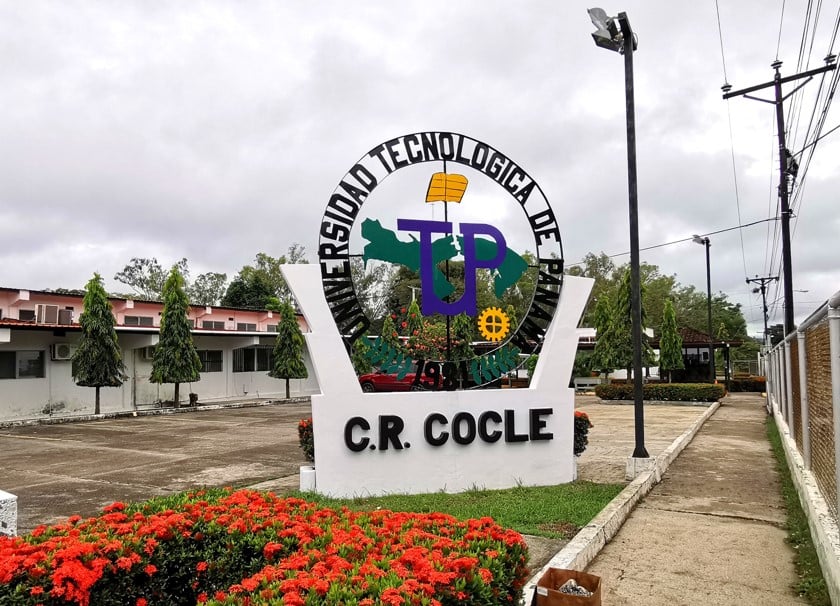
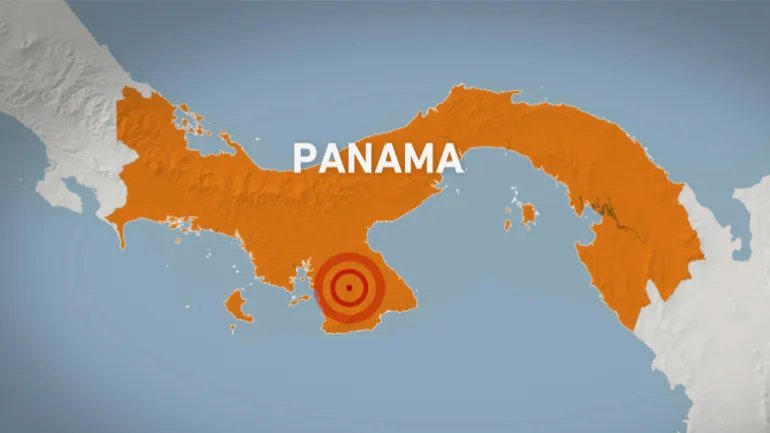
Panama’s Housing and Land Management Ministry carried out inspections of land in Coclé as part of efforts to identify areas that could support future housing projects for low-income families. The review focused on finding sites with the potential to meet real housing needs in communities facing economic limitations. Coclé is one of Panama’s central provinces and has long been part of the country’s broader housing and development priorities. Land assessments like this are often a first step in determining where new residential projects can be built, especially when the goal is to expand access to affordable homes for families with fewer resources.
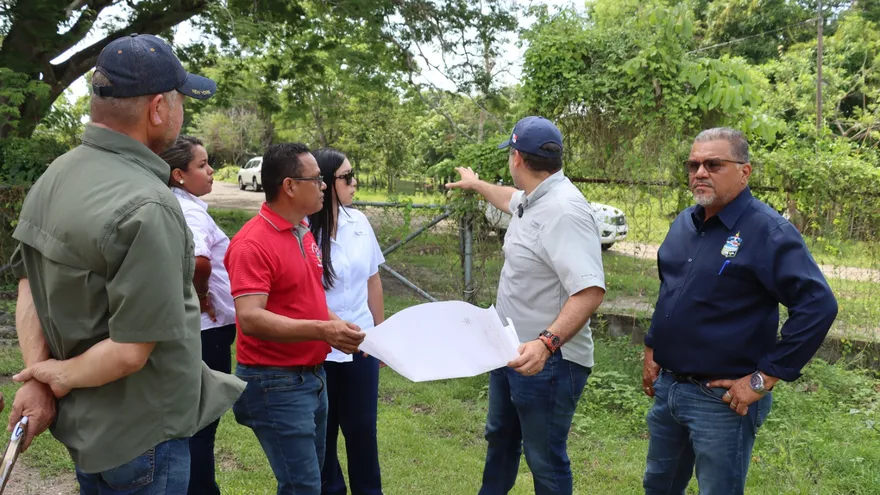
By examining possible locations in the province, officials are working to match available land with the conditions needed for housing development. That includes looking at whether an area can support projects designed for long-term community use and whether it aligns with public housing goals. Low-income housing remains a key issue in Panama, where demand for affordable homes continues to shape public policy and local planning. Identifying suitable land is essential because housing projects depend not only on construction, but also on access to services, infrastructure, and communities that can grow sustainably over time.
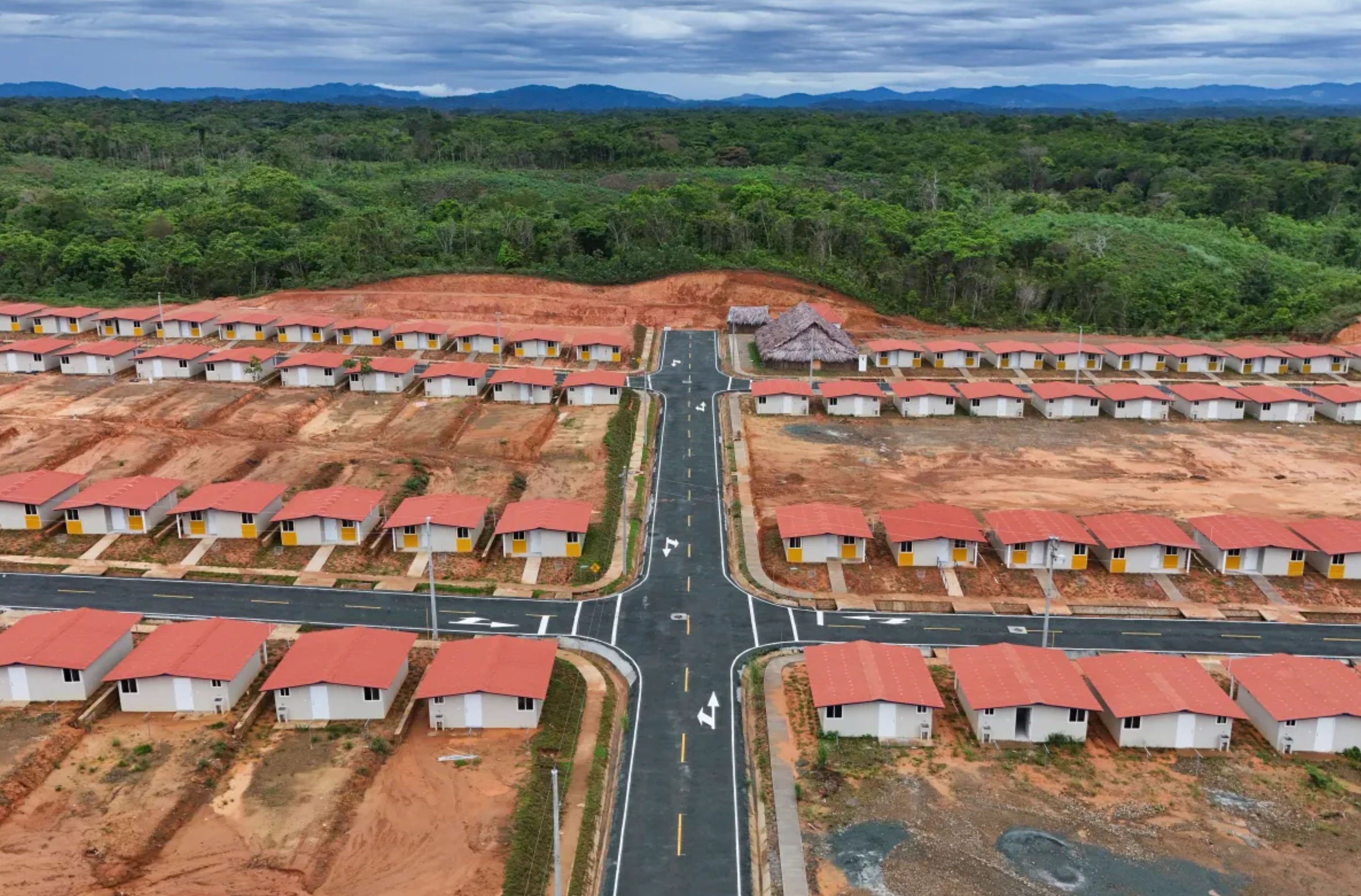
Inspections such as these are part of the early planning stage before any project moves forward. They help determine whether a site could be used to respond to the needs of families who require more affordable options in the housing market. If the land reviewed in Coclé proves viable, it could become part of future housing initiatives aimed at improving living conditions for vulnerable households. For families with limited incomes, new public housing projects can offer a path toward safer and more stable accommodation. The effort also reflects the government’s focus on linking land use decisions with social needs. In practice, that means evaluating not just where homes can be built, but where they can have the greatest impact for Panamanians seeking affordable housing solutions.