Why Digital Nomads Are Flocking to Panama in 2026
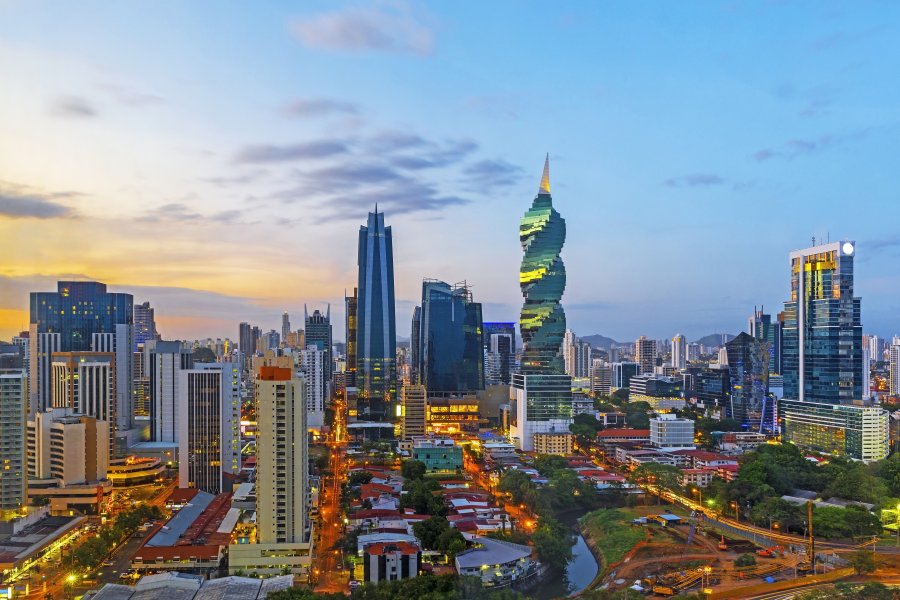
Panama has moved into focus for remote workers who want mobility without constant trade-offs.
The country sits between major time zones, offers direct access to North and South America, and maintains infrastructure that supports both short stays and longer relocations. What draws people in is not a single advantage, but the way multiple factors line up without friction.
Living and working abroad often involves compromise, especially when connectivity, cost, and legal structure pull in different directions.
Panama stands out because those elements tend to work together rather than against each other, and for many digital nomads, that balance has become harder to find elsewhere.
This article explores how Panama’s connectivity, cost structure, and residency options combine to support stable remote work, and why that alignment is drawing digital nomads in 2026.
Staying Connected Across Borders
Reliable access remains central to remote work, particularly for those moving between locations and networks. Cafés, shared workspaces, and residential connections in Panama vary in performance depending on the area, which makes consistency an ongoing concern.
Using a free VPN helps maintain stable access when switching between networks, while also keeping browsing activity private on public connections. It allows remote workers to log into familiar platforms without interruption, even when local network conditions change throughout the day.
This kind of continuity matters when work depends on real-time communication, cloud-based tools, and secure logins. A connection that behaves predictably removes a layer of uncertainty from daily routines.
Location Without Isolation
Panama offers a mix of urban infrastructure and access to natural environments, which appeals to those who want flexibility in how they structure their day.
Cities like Panama City provide strong connectivity, modern housing, and established coworking spaces, while coastal and inland areas offer quieter alternatives without complete disconnection.
This range allows remote workers to move between different settings without leaving the country. Some base themselves in the city during intensive work periods, then relocate temporarily to less dense areas when schedules allow. The ability to do both within a single country reduces the need for constant international travel.
Nomads who choose Panama show that this flexibility is influencing relocation decisions as it offers variety without requiring major logistical changes.
Legal Structure and Financial Clarity
Relocating for remote work often raises questions around visas, taxation, and long-term residency. Panama has positioned itself as a practical option by offering clear frameworks that reduce uncertainty in these areas.
Panama relocation planning outlines how structured programmes support individuals who want to base themselves in the country without navigating overly complex requirements. This clarity allows remote workers to focus on their work rather than on ongoing administrative challenges.
A predictable legal environment also supports longer stays. Instead of treating Panama as a temporary stop, many choose to remain for extended periods, building routines that feel more stable than constant movement.
A Growing Digital Economy
Panama’s digital ecosystem continues to expand, driven by both local demand and international influence. Startups, remote teams, and independent professionals contribute to a network that supports collaboration and shared knowledge.
The global nomad report demonstrates how infrastructure, cost of living, and accessibility combine to shape destination choices. Panama consistently ranks well across these factors, which helps explain its rising profile among remote workers.
This environment encourages longer-term engagement rather than short visits. Access to reliable services, combined with a growing professional community, creates conditions where remote work can continue without disruption.
Security and Practical Setup
Working remotely in unfamiliar environments brings its own set of risks, particularly when relying on shared networks or unfamiliar systems. Maintaining a secure setup becomes part of the daily routine rather than an occasional concern.
Online business security tools are a great way for remote workers to build more resilient digital setups that protect both data and workflow. Stability and security often overlap, especially when multiple platforms and accounts are involved.
At the same time, developments in secure remote access tools are making it easier to maintain control across different environments. These tools support consistent performance while reducing the risk of disruption, which is particularly important when working across borders.
Everyday Practical Advantages
Beyond infrastructure and policy, daily life in Panama plays a significant role in its appeal. Accessibility, cost, and lifestyle combine in ways that support long-term living without constant adjustment.
Several practical factors stand out:
- Reliable access to international airports with frequent connections
- A cost structure that remains manageable compared to many global cities
- Availability of short-term and long-term accommodation options
- Established services that support both local and international residents
These elements reduce the friction that often comes with relocation. Instead of spending time resolving everyday challenges, remote workers can settle into routines more quickly.
A Destination That Supports Continuity
Panama’s appeal lies in its ability to support ongoing work without forcing constant adaptation. Connectivity holds up across most urban areas, legal frameworks provide clarity, and the broader environment allows for flexibility in how work and life are structured.
Digital nomads are not drawn to a single feature, but to a combination that works reliably over time. The country offers enough stability to support long-term plans while still allowing movement within its borders.
For those looking to balance work with mobility, Panama provides a setting where that balance feels achievable. It does not remove every challenge, but it reduces enough friction to make remote work sustainable in a way that many other destinations struggle to match.