The Iran War Drives Up Gas Prices to a 3-Year High
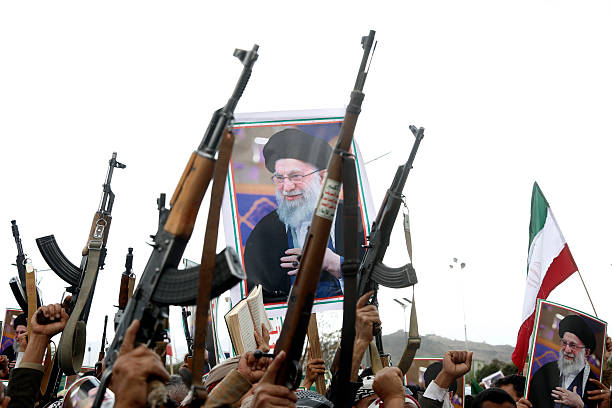
Inflation in the United States accelerated in March as gasoline prices surged, underscoring how the war involving Iran is already feeding into global energy markets and complicating the outlook for interest rates. A key measure of inflation jumped to its highest level in three years after fuel costs climbed sharply during the month. The increase signals renewed price pressure at a time when policymakers had hoped inflation would continue easing. The rise in gasoline prices is being tied to the widening effects of the conflict involving Iran, which has rattled energy markets and added uncertainty to global supply conditions.

Because fuel costs sit at the center of transportation, manufacturing and food distribution, a spike in gasoline often pushes broader prices higher across the economy. The latest reading also makes it more difficult for the Federal Reserve to move quickly toward interest rate cuts. Central bankers have been watching for evidence that inflation is safely returning to target before easing borrowing costs, but a renewed jump in prices can delay that process. Inflation has been one of the defining economic issues in the United States over the past several years.

After peaking during the post-pandemic price surge, inflation had begun to cool, raising hopes that the Fed could soon lower rates and give households and businesses some relief. Energy prices remain one of the most volatile parts of the inflation picture. When crude oil and gasoline rise, the impact tends to spread beyond drivers to shipping, utilities, agriculture and consumer goods. That effect can be especially sensitive during periods of geopolitical conflict, when markets worry about disruptions to oil production, transit routes or regional stability.
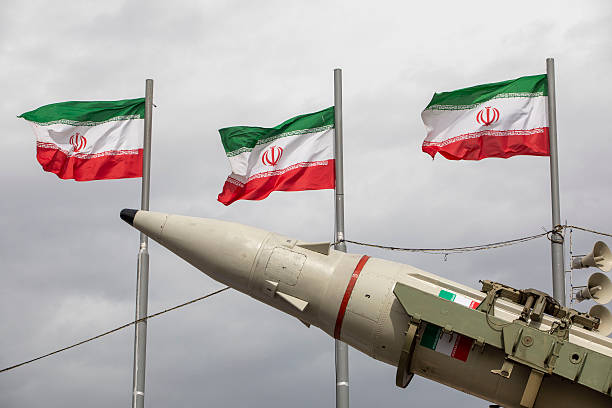
The Federal Reserve tracks inflation closely because its decisions affect global financial conditions. Higher-for-longer interest rates in the United States can strengthen the dollar, keep global borrowing costs elevated and weigh on economic growth in emerging markets. The jump in inflation matters far beyond the United States. If the Fed delays rate cuts, global markets can remain tighter for longer, affecting everything from government borrowing costs to trade financing and investment flows, including what goes on in the Panama Canal.
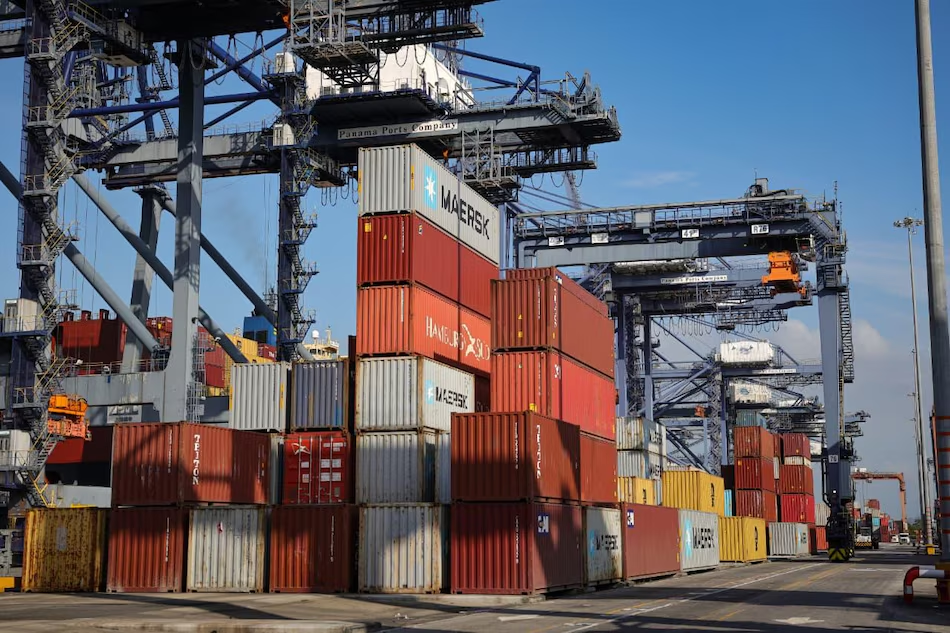
For Panama and the wider Latin American region, U.S. monetary policy is especially important because many economies are sensitive to dollar strength, credit conditions and shifts in energy prices. Higher fuel costs can also add pressure to transportation and food inflation across the region, affecting households and businesses that already face elevated living costs. The broader message from March’s inflation reading is that the conflict involving Iran is no longer only a geopolitical crisis. It is beginning to shape the cost of everyday goods and the pace of monetary policy in the world’s largest economy, with ripple effects likely to be felt well beyond U.S. borders.