Latino News: U.S. Indicts Former Cuban President Raul Castro
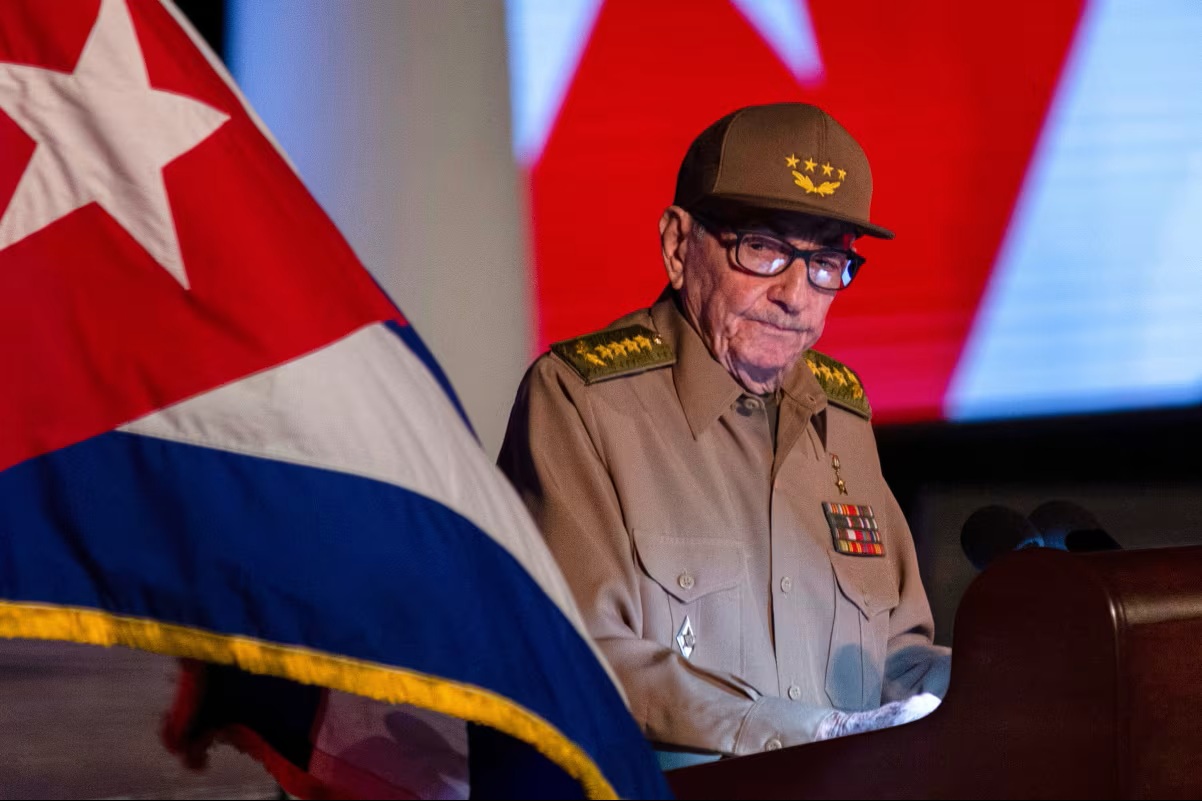
Former Cuban leader Raul Castro has been indicted for his alleged role in the shooting down of two civilian planes 30 years ago that killed Latino Americans and sent US-Cuba relations plunging.
· Carlos Costa · Pablo Morales · Mario de la Peña · Armando Alejandre, Jr.
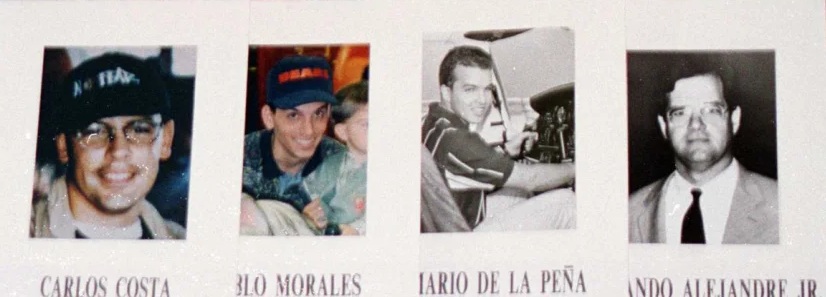
A memorial held at the Orange Bowl in Miami, Florida, on March 2, 1996, for the four Brothers to the Rescue pilots that were shot down.
The planes belonging to a Miami-based volunteer organization called Brothers to the Rescue were shot down in 1996 – triggering the longstanding embargo on Cuba that remains in place today. Here’s what you need to know about the deadly incident. In the 1990s, Brothers to the Rescue carried out regular flights attempting to find and assist Cubans trying to sail to the US. On one such mission, on February 24, 1996, Cuban forces shot down two of their planes near to the Cuban coast, destroying them with heat-seeking missiles, according to Congress documents. Three American citizens and one resident of the US were killed. A third Brothers aircraft escaped.
In the immediate aftermath of the incident, the Cuban government accused Brothers to the Rescue of engaging in covert operations against the regime – allegations the US swiftly denied. According to the US government, the Brothers to the Rescue planes were unarmed and the volunteers aboard posed no threat to the Cuban government, military or population. On Tuesday, Cuba’s embassy in the US took to X saying the “violations of Cuban airspace” were not isolated incidents but among “more than 25 serious, deliberate and systematic violations.” “These were not miscalculations, but rather a continuous campaign that jeopardized international aeronautical safety,” the embassy said.
The US government swiftly condemned the shooting down of the two planes and just days later, President Bill Clinton signed the Cuban Liberty and Democratic Solidarity (LIBERTAD) Act, also known as the Helms-Burton Act. The act tightened sanctions on Cuba and remains the basis of US embargos on the country. The law called for an act of Congress to lift any part of the embargo against Cuba. Visas would be denied to anyone using or profiting from Cuban property – and to Cuban government employees and communist party members, under the law.
As guests continued to arrive on Wednesday at the Freedom Tower, news media reported that the U.S. had indicted former Cuban President Raul Castro. The U.S. Justice Department was set to announce it on Wednesday afternoon.