The Labyrinth of Perico Island: Liquidation, Seizures, and Concessions
Aerial view of Perico Island, where the Las Brisas de Amador and Island Strategic Ventures concessions operate, along with private marinas, commercial spaces, and residential developments that transformed the original concept of the Amador tourism project.
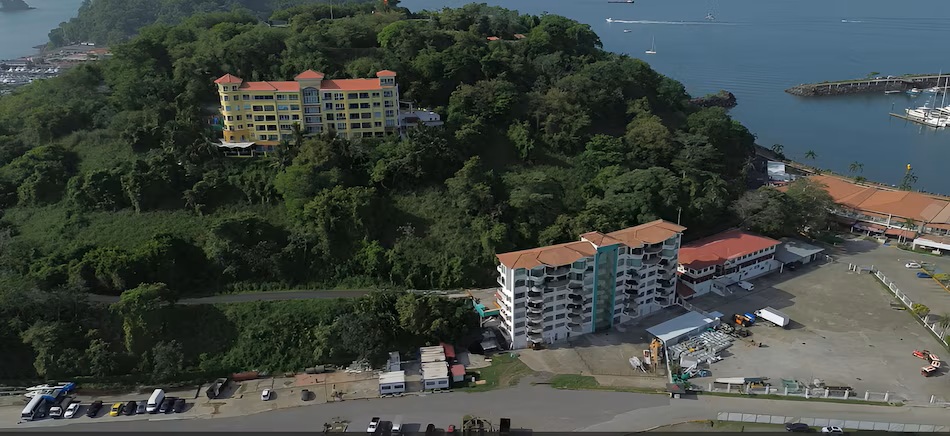
The political and economic dynamics of Perico Island in Panama represent a long history of controversial state concessions, political scandals, and regulatory disputes. The area has shifted from a U.S. military installation into a key foreign infrastructure project, which recently became a flashpoint in international trade conflicts and asset seizures.
Strategic Concessions and Construction
In 2017, the Panamanian administration granted a contract to a consortium that included the China Harbour Engineering Company (CHEC) to construct a massive, multi-million dollar cruise port on Perico Island on the Amador Causeway. The terminal, which was intended to boost regional tourism, was completed but quickly dragged into broader geopolitical and financial complications.
The Labyrinth of Seizures and Arbitration
The port’s operation quickly fell into a complicated web of litigation, arbitration, and sovereign claims:
- The Global Port Dispute: In February, the Panamanian government took drastic measures to seize operations of two major canal ports—Balboa (Pacific side) and Cristobal (Atlantic side). These facilities were formerly operated by Panama Ports Company (PPC), a subsidiary of the Hong Kong-based conglomerate CK Hutchison Holdings.
- Arbitration: Following these seizures, CK Hutchison initiated international arbitration proceedings against the state, citing a violation of its rights.
- Liquidation Challenges: Compounding the operational turmoil are broader Panamanian anti-corruption efforts. Many high-profile public works contracts awarded between 2009 and 2014 have been caught up in local judicial proceedings, specifically through the Second Liquidation Court of Criminal Cases. This has resulted in the seizing of assets, prolonged contract cancellations, and the ongoing investigation of multi-million dollar bribe networks.
The situation on Perico Island and the broader Amador Causeway reflects Panama’s complex balancing act. The state must navigate the legal requirements of contract liquidations and corruption seizures, while facing international pressure from foreign investors and global cruise lines eager for a steady operator to utilize the island’s infrastructure.