The Water Crisis in the Azeuro will Reach its One-Year Mark with Well Digging as the Main Response
The government continues drilling wells in the Azuero region as its primary response to the water crisis, with more than 50 already completed and others under construction. The water crisis has left more than 100,000 people without access to drinking water from the tap.
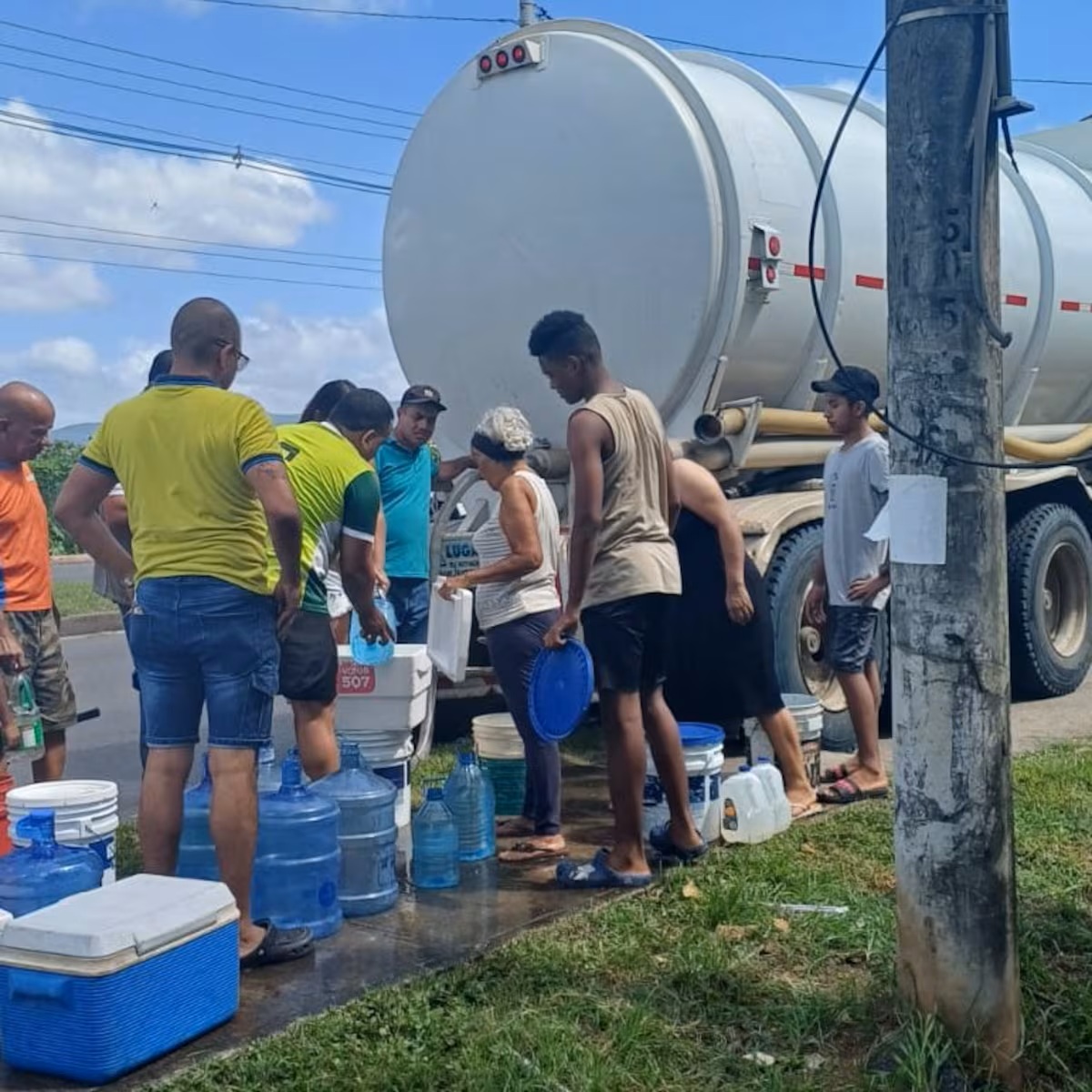
A significant water crisis exists in the Azuero Peninsula region of Panama, characterized by severe shortages, contaminated rivers, and inadequate infrastructure. Communities in areas like Pedasí and Guasavara have gone over a month without tap water, forcing reliance on water trucks and bottled water due to drought and pollution.
Key Aspects of the Crisis:
- Contamination: The La Villa River is heavily polluted, forcing the closure or reduced operation of water treatment plants.
- Drought and Infrastructure: Drought, coupled with limited government response and outdated infrastructure, has led to chronic shortages.
- Impact: The crisis affects daily life, health, tourism, and has led to proposals for long-term water management solutions.
- Official Action: Authorities have distributed millions of gallons of water via tankers and mobilized to supply critical sites like hospitals.
The situation is characterized as an “environmental crisis” exacerbated by climate change and inadequate enforcement of environmental regulations regarding water usage and waste disposal. The water crisis in the Azuero region is about to reach its one-year mark. On May 27, 2025, the National Institute of Aqueducts and Sewers (Idaan) suspended operations at four water treatment plants following severe contamination of the La Villa and Estibaná rivers, the main water sources for thousands of families in Herrera and Los Santos. In the most remote rural communities, the situation is even more complex: there are people who must travel long distances to obtain safe water or resort to rainwater collection to meet basic needs such as cooking, cleaning or bathing.