For Panama and Latin America the Direct Impact is Usually Indirect but Still Real: Ceasefire Push Stalls as U.S. and Iran Talks Break Down
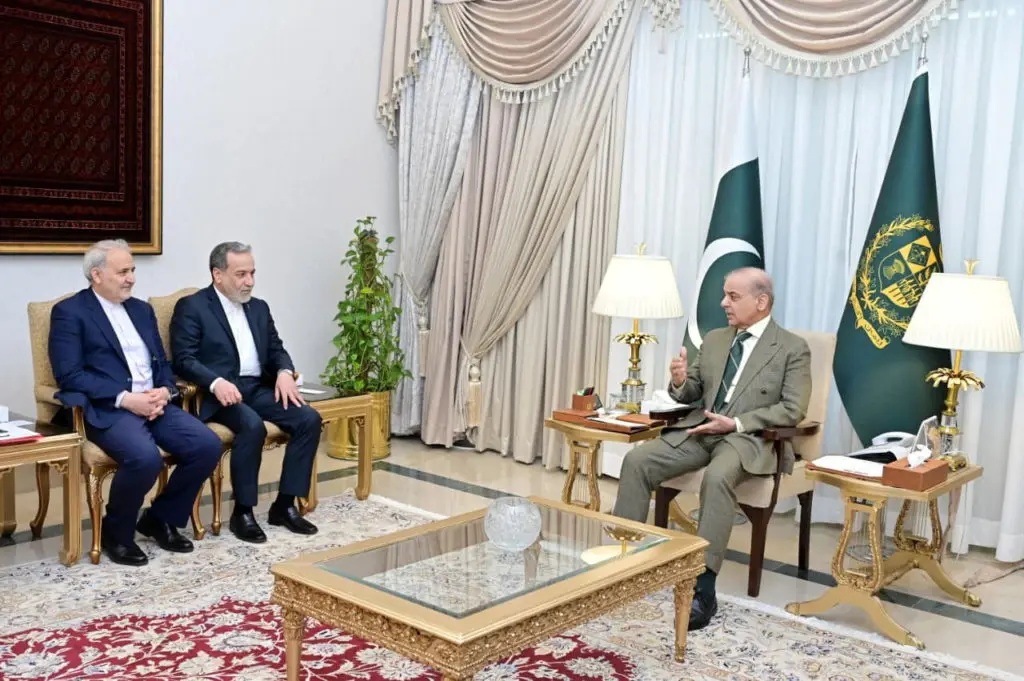
The latest effort to advance ceasefire diplomacy between the United States and Iran appears to have collapsed, after Iran’s top diplomat left Pakistan and President Donald Trump said he had instructed envoys not to proceed. The diplomatic effort unraveled on Saturday amid signs that the talks had lost momentum. Iran’s top diplomat departed Pakistan, while Trump publicly said he had told envoys not to go, signaling a breakdown in the latest attempt to keep negotiations alive. The collapse of the talks raises immediate questions about whether the two sides can return to the table in the near term. The failure of a ceasefire push is especially significant because such talks are typically intended to prevent escalation, reduce regional tension, and create a path toward broader diplomatic engagement.
U.S.-Iran relations have been marked by prolonged hostility, periodic diplomatic contacts, and repeated crises involving sanctions, regional security, and military brinkmanship. Any ceasefire or de-escalation effort involving Washington and Tehran carries outsized importance because tensions between the two countries can ripple across the Middle East and affect global security. Iran’s role in regional conflicts has long complicated ceasefire diplomacy, particularly when negotiations intersect with wider disputes involving armed groups, missile activity, and maritime security. The United States has repeatedly pushed for restraint in moments when fighting or confrontation risks spreading beyond the immediate conflict zone.
Pakistan’s involvement adds another layer of complexity. As a neighboring power with deep regional ties, Pakistan often serves as a diplomatic waypoint for discussions that involve Iran, the broader Gulf region, or security issues that reach across South and Central Asia. When high-level envoys travel and then abruptly depart, it usually signals that negotiators have encountered a substantive political obstacle. When ceasefire diplomacy fails between major powers or regional actors, the consequences can extend far beyond the immediate parties. A breakdown in U.S.-Iran talks can heighten the risk of escalation, unsettle energy markets, and complicate efforts by other governments to lower regional tensions.
For Panama and Latin America, the direct impact is usually indirect but still real. Escalation in the Middle East can affect oil prices, shipping costs, inflation, and broader economic stability, all of which matter to import-dependent economies in the region. Global investors and trading partners also pay close attention to signs that tensions between Washington and Tehran are rising again. The failure of the latest talks underscores how fragile international diplomacy can be when trust is low and political incentives pull in opposite directions. With neither side signaling a breakthrough, the prospects for immediate de-escalation now appear uncertain