More Expensive Tickets and Fewer Flights in Panama and Around the World Due to the Aviation Fuel Crisis
Jet fuel requires a different refining process, which limits its availability.
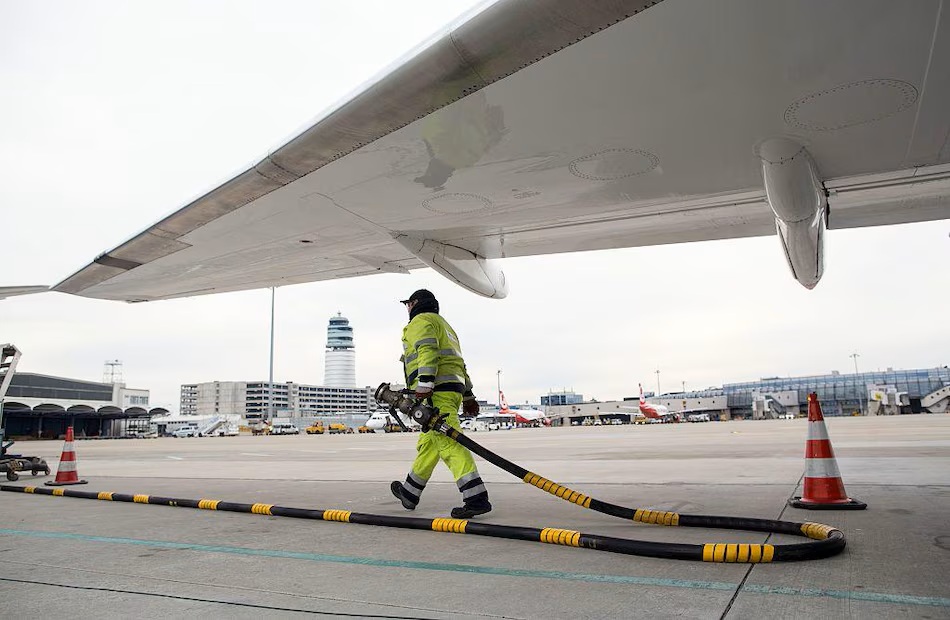
IATA Vice President Peter Cerdá points out that rising jet fuel prices are forcing airlines to raise fares and reduce flight frequencies, impacting connectivity and operations in Latin America. In Europe and Asia, several airlines have canceled flights for the summer.
The peak travel season is approaching and faces one of the biggest challenges since the pandemic: the rise in aviation fuel prices and shortages of this resource in some European countries. Peter Cerdá, vice president of the International Air Transport Association (IATA), warned at the Wings of Change Americas forum held in Chile that the sharp increase in fuel prices, which previously ranged between $90 and $110 per barrel, have now reached $220 to $280.
A severe aviation fuel crisis in April 2026, driven by the Iran conflict and Strait of Hormuz closure, has doubled jet fuel prices to over $200 per barrel, threatening widespread European and Asian shortages. Airlines are slashing thousands of flights, notably Lufthansa cutting 20,000, while Air Canada and WestJet cut capacity and routes, causing soaring ticket prices and anticipated summer travel disruptions.
Key Crisis Details
- Cause: The continued war in the Middle East has closed the Strait of Hormuz, halting oil tankers and restricting fuel supplies, with the IEA warning Europe has only about six weeks of supply left.
- Price Shock: Global jet fuel prices surged from $99 per barrel at the end of February to over $209 by early April 2026.
- Regional Impact: Europe is facing the worst impact, with potential fuel rationing for short-haul flights. North America faces high prices but fewer immediate physical shortages due to domestic refining capacity, though carriers are still cutting flights due to costs.
- Airline Response: Air Canada suspended routes to London and local hubs, while Lufthansa cut 20,000 flights. Airlines are adding fuel surcharges to passenger tickets, and WestJet is cutting capacity.
- Outlook: Experts warn the crisis could last for months or longer, leading to a volatile summer travel season with limited options and higher costs.