Why Sideswipe Crashes Happen More Often Than You Think
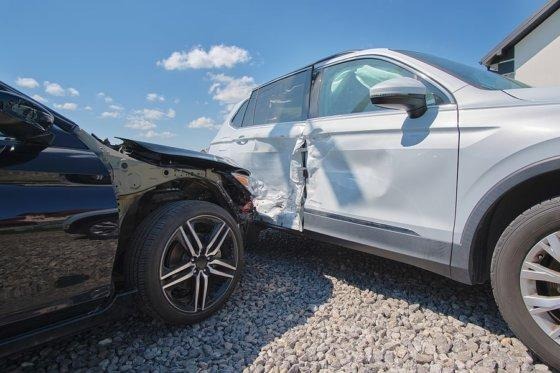
Sideswipe crashes happen more often than many drivers realize because they are usually caused by simple driving mistakes like unsafe lane changes, blind spot issues, or lack of attention. These accidents may not always seem as severe as head-on or rear-end collisions, but they can still lead to serious damage and injuries.
To better understand this issue, it is important to look at the causes of sideswipe crashes and how everyday driving habits contribute to them. Many of these incidents occur during routine actions such as merging, changing lanes, or driving in heavy traffic, which makes them more common than expected.
Unsafe Lane Changes
One of the leading reasons sideswipe crashes occur is improper lane changes. Drivers sometimes switch lanes without fully checking if the space is clear.
For example, a driver may assume the next lane is empty and move over too quickly. If another vehicle is already in that lane, even slightly, a sideswipe collision can occur.
To prevent this:
- Always check mirrors before changing lanes.
- Look over your shoulder to confirm the lane is clear.
- Use turn signals early to alert other drivers.
By taking a few extra seconds, drivers can avoid many of these accidents.
Blind Spot Issues
Closely related to lane changes are blind spots. Every vehicle has areas that are not visible through mirrors alone.
When drivers rely only on mirrors, they may miss vehicles traveling beside them. This often leads to sideswipe crashes, especially on highways where vehicles move at higher speeds.
To reduce this risk:
- Adjust mirrors properly to minimize blind spots.
- Perform a quick shoulder check before moving.
- Stay aware of vehicles around you at all times.
Understanding blind spots is essential for safe driving.
Distracted Driving
Another common cause is distraction. When drivers are not fully focused, they may drift out of their lane or fail to notice nearby vehicles.
Activities such as texting, adjusting controls, or talking to passengers can take attention away from the road. Even a brief moment of distraction can result in a sideswipe accident.
To stay safe:
- Keep your hands on the wheel and your eyes on the road.
- Avoid using mobile devices while driving.
- Stay mentally focused, especially in traffic.
Remaining alert is one of the best ways to prevent these crashes.
Failure to Maintain Lane Position
Sideswipe crashes also happen when drivers do not stay properly within their lane. This can occur due to fatigue, inattention, or poor driving habits.
For instance, a driver who drifts slightly into another lane may not notice until it is too late. This is especially dangerous on narrow roads or in heavy traffic.
To avoid this:
- Stay centered in your lane.
- Take breaks during long drives to avoid fatigue.
- Pay attention to lane markings and road conditions.
Consistent control of your vehicle helps reduce the risk of collisions.
Heavy Traffic and Merging Situations
In addition, sideswipe accidents are more common in areas with heavy traffic. When vehicles are close together, there is less room for error.
Merging lanes, highway entrances, and exit ramps are particularly risky. Drivers may rush to change lanes or compete for space, increasing the likelihood of contact.
To handle these situations safely:
- Be patient and avoid rushing.
- Allow space for other vehicles to merge.
- Communicate clearly using signals
By driving calmly, you can reduce the chances of a crash.
Poor Weather Conditions
Weather also plays a role in sideswipe accidents. Rain, fog, or snow can reduce visibility and make it harder to stay in your lane.
Slippery roads can cause vehicles to slide, leading to unintended lane movement. This increases the risk of sideswipe collisions.
To stay safe in bad weather:
- Slow down and increase following distance.
- Use headlights to improve visibility.
- Keep a firm grip on the steering wheel.
Adjusting your driving to weather conditions is essential for safety.
How to Prevent Sideswipe Crashes
While sideswipe accidents are common, they are often preventable with better driving habits.
Here are some key prevention tips:
- Always check mirrors and blind spots before changing lanes.
- Use turn signals to communicate your intentions.
- Stay focused and avoid distractions.
- Maintain proper lane position at all times.
- Drive cautiously in heavy traffic and poor weather.
By following these steps, drivers can significantly reduce their risk.
Key Takeaways
- Sideswipe crashes are more common than many drivers realize.
- Unsafe lane changes and blind spots are leading causes.
- Distracted driving increases the risk of drifting into another lane.
- Heavy traffic and merging situations create higher chances of accidents.
- Weather conditions can make lane control more difficult.
- Safe driving habits can prevent most sideswipe crashes.