What Makes a Great Nurse in Today’s Healthcare World?
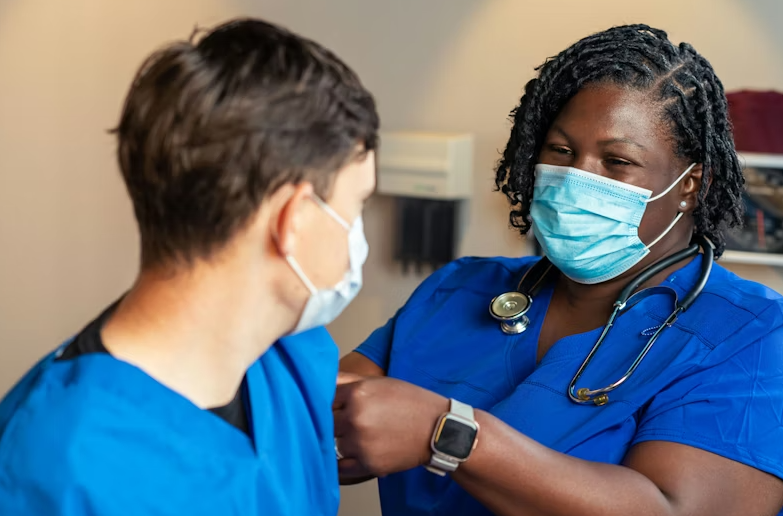
Hospitals and clinics have been dealing with heavier patient loads and tighter staffing in recent years. Nurses often manage more patients per shift while still expected to provide safe, attentive care. Many people entering the field quickly realize that textbook knowledge alone doesn’t prepare them for this kind of pressure. Patients want clear answers, quick help, and someone who actually listens to them.
This creates a real challenge for nurses at every level. Being “good” at the job now means handling clinical tasks while staying calm, organized, and approachable. If you’re thinking about becoming a nurse—or trying to grow in your role—it helps to understand what actually makes someone effective in today’s healthcare settings.
Making Smart Decisions Under Pressure
A great nurse knows how to make decisions quickly without guessing. In a busy hospital, things change fast. A patient who seemed stable an hour ago can suddenly show new symptoms. Nurses need to notice small changes and act before the situation gets worse.
This skill comes from paying attention to details and connecting what you see with what you already know. For example, a slight change in breathing or behavior can signal a deeper issue. Experienced nurses don’t wait for clear signs; they trust their judgment and follow up immediately. Over time, this builds confidence. Strong clinical judgment helps prevent complications and supports better outcomes for patients. This level of preparedness often begins with proper training through accredited nursing programs, such as those offered by William Paterson University.
The university focuses on flexible online learning designed for working professionals, with CCNE-accredited programs that emphasize evidence-based practice and real-world leadership skills in modern healthcare settings.
Explaining Care in a Way Patients Understand
Patients often feel overwhelmed when they hear medical terms or complex instructions. A great nurse knows how to break things down into simple language without making the patient feel confused or rushed. Clear communication helps patients understand their condition, treatment plan, and next steps.
Good nurses also take time to listen. They don’t interrupt or assume they already know what the patient is trying to say. This makes a big difference, especially when patients are anxious or in pain. When communication is clear, patients feel more comfortable asking questions and following instructions. That leads to safer care and fewer misunderstandings after they leave the hospital.
Handling Emotions Without Losing Focus
Nursing involves constant interaction with people who are stressed, scared, or in pain. A great nurse stays aware of these emotions without letting them take over their own mindset. This balance is important during long shifts where emotional fatigue can build quickly.
Instead of reacting to every situation, experienced nurses stay steady and focused. They offer support, listen when needed, and remain calm even in difficult moments. At the same time, they know when to step back and reset mentally. Simple habits like taking short breaks, staying hydrated, and talking to colleagues help maintain emotional balance. This allows nurses to stay present for each patient without feeling overwhelmed.
Adapting Quickly When Situations Change
Healthcare environments rarely follow a fixed routine. A nurse may start the day with a clear plan, but emergencies, new admissions, or staff shortages can shift priorities within minutes. A great nurse adapts without losing focus.
This means being flexible with tasks and staying organized even when plans change. Nurses often move between different responsibilities, from patient care to documentation to coordination with other staff. The ability to adjust quickly helps maintain a smooth workflow and prevents delays in care. Nurses who resist change often feel more stress, while those who stay adaptable handle pressure better and keep things moving efficiently.
Working Smoothly as Part of a Care Team
Nursing is rarely a solo role. Every shift involves working with doctors, other nurses, technicians, and support staff. A great nurse communicates clearly with the team and shares important updates without delay. This keeps everyone aligned and reduces the risk of mistakes.
Strong teamwork also means respecting each person’s role. Nurses who collaborate well don’t hesitate to ask questions or offer help when needed. During shift changes, clear handovers ensure continuity of care. When communication breaks down, patients can suffer. That’s why effective teamwork is a key part of quality care. Nurses who build good working relationships make the entire healthcare process smoother for everyone involved.
Staying Comfortable with Healthcare Technology
Modern nursing involves constant interaction with digital tools. Nurses document patient care in electronic health records, track medications, and often use monitoring systems that provide real-time updates. A great nurse doesn’t treat technology as an extra task. They learn how to use it efficiently so it supports their workflow instead of slowing it down.
This includes entering accurate data, reviewing patient histories, and catching errors before they become problems. Nurses also need to stay open to new systems as healthcare continues to evolve. Training sessions, short tutorials, and peer support help build confidence. Comfort with technology improves accuracy, saves time, and allows nurses to focus more attention on direct patient care.
Respecting Cultural Differences in Patient Care
Patients come from different backgrounds, and their beliefs can affect how they view treatment, communication, and care decisions. A great nurse stays aware of these differences and adjusts their approach when needed. This helps build trust and improves cooperation during treatment.
For example, some patients may have specific dietary restrictions, privacy concerns, or preferences about who provides care. Taking a few minutes to understand these needs can prevent misunderstandings. Nurses who listen without judgment create a more comfortable environment for patients. Cultural awareness also helps when explaining care plans, as it allows nurses to present information in a way that makes sense to each individual.
Great nursing comes down to how well someone handles real situations, not just how much they know. Patients rely on nurses for clear communication, safe care, and steady support during difficult moments. These expectations are higher today, especially in fast-paced healthcare settings.
Nurses who focus on building practical skills, staying adaptable, and working well with others tend to stand out. They create a better experience for patients and help their teams function more smoothly. For anyone entering the field or looking to improve, paying attention to these areas makes a real difference. It leads to stronger performance, better outcomes, and a more rewarding career over time.