The Ethanol Law: Sugarcane Honey Producers Ask to be Taken Into Account
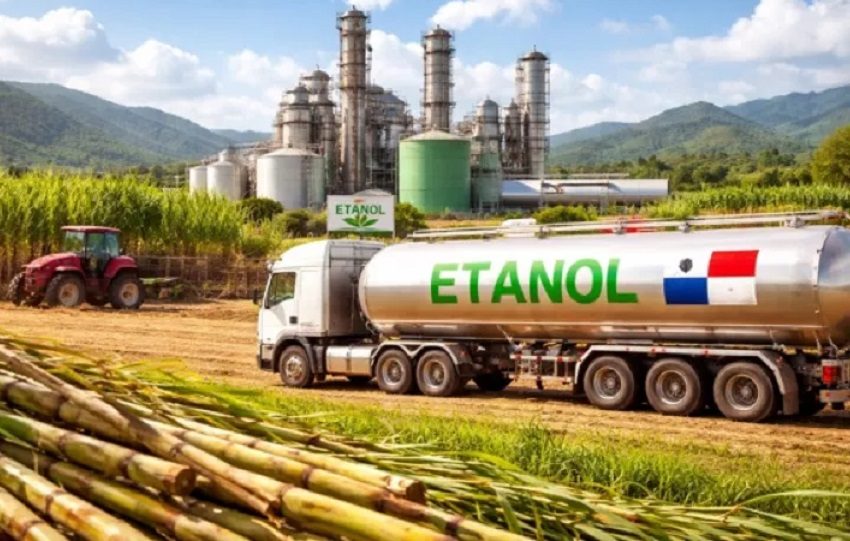
An independent producer highlighted the economic impact that ethanol production would have on his sector and on the generation of direct and indirect jobs. Eliécer Castro, an independent sugarcane honey producer in Los Santos, requests that his group be included in the debate on the ethanol production law in Panama. Speaking to the program Reporte Estelar on KW Continente, Castro said: “As a producers’ association, we ask the deputies for the opportunity to participate and be integrated into the new legislation on ethanol in the country.” According to the figures presented by Castro, in the provinces of Herrera and Los Santos there are more than 3,145 small farms dedicated to honey production.”

He added that part of the production is destined for domestic consumption as a sweetener, while the rest is used to supplement livestock feed during the dry season. “Sugarcane production has been going on for many years; previously it was for subsistence, where it was sold to distilleries,” he said. The sugarcane honey production process generates byproducts such as filter cake, bagasse, and sugarcane tops, which are used to feed livestock. This cycle is completed by using animal manure as organic fertilizer for crops.
On the other hand, the producer dismissed fears about an exclusive focus on biofuels under the new law, stressing that the primary intention of the industry is to “diversify” its current activities. “If we look at corn, when the harvest is in, the ships come and there’s nowhere to sell the merchandise and prices plummet; if it’s with rice now with the issue of fertilizers… every time we want to produce something we never have a fixed market,” he complained. In this regard, Castro indicated that they see an opportunity with ethanol, since “by law it would be 10% of the use of ethanol for 91 and 95 octane gasoline.” He also noted that in countries like the United States it is 15%, in India it is 20%, and in Brazil.

Castro believes that ethanol production would have a positive impact on the agricultural sector. He also dismissed any risk of shortages, arguing that current demand for honey is low and much of the production is lost due to a lack of market. “What the producer will do is modernize a bit more and plant a bit more. Currently there is a lot of free space, there are farms that are not being used, the situation is at such a point that many producers are losing their farms due to lack of income,” he said. He said that property prices have dropped considerably, noting that banks are not lending and there is only one state bank that lends. “There are few private banks that have agricultural banking and we are in a very difficult situation both financially and in terms of the market,” he said.
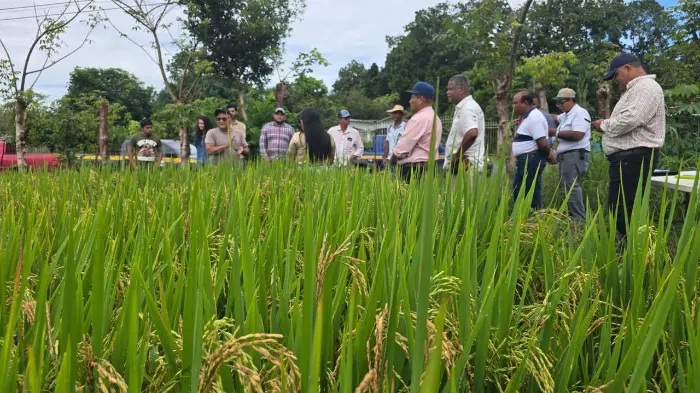
“We are becoming increasingly restricted and we need to move towards sustainability in agriculture. If we don’t focus on sustainability… today it’s not about yield, it’s not about the amount of product we want to produce, but about the profit we can make to ensure the sustainability of agriculture,” he said. With this new project, Castro believes young people are prevented from leaving the countryside, and he specified that most agricultural producers are over 55 years old because “the countryside is not attractive to young people.” He asserted that many young people in the province are becoming disconnected from the agricultural sector, moving to the capital, and in many cases falling into crime.
He believes, therefore, that the issue of ethanol needs to be expedited, since in his opinion it will allow them to start family businesses and create jobs directly and indirectly. I explain that anyone with the resources can put their land into production, since the issue of ethanol “doesn’t go directly to the sugar mills, as “independent business points can be created.” He explained that one of the advantages that independent producers have is that the sugar mill harvest season is a maximum of one hundred days, while they can produce all year round.
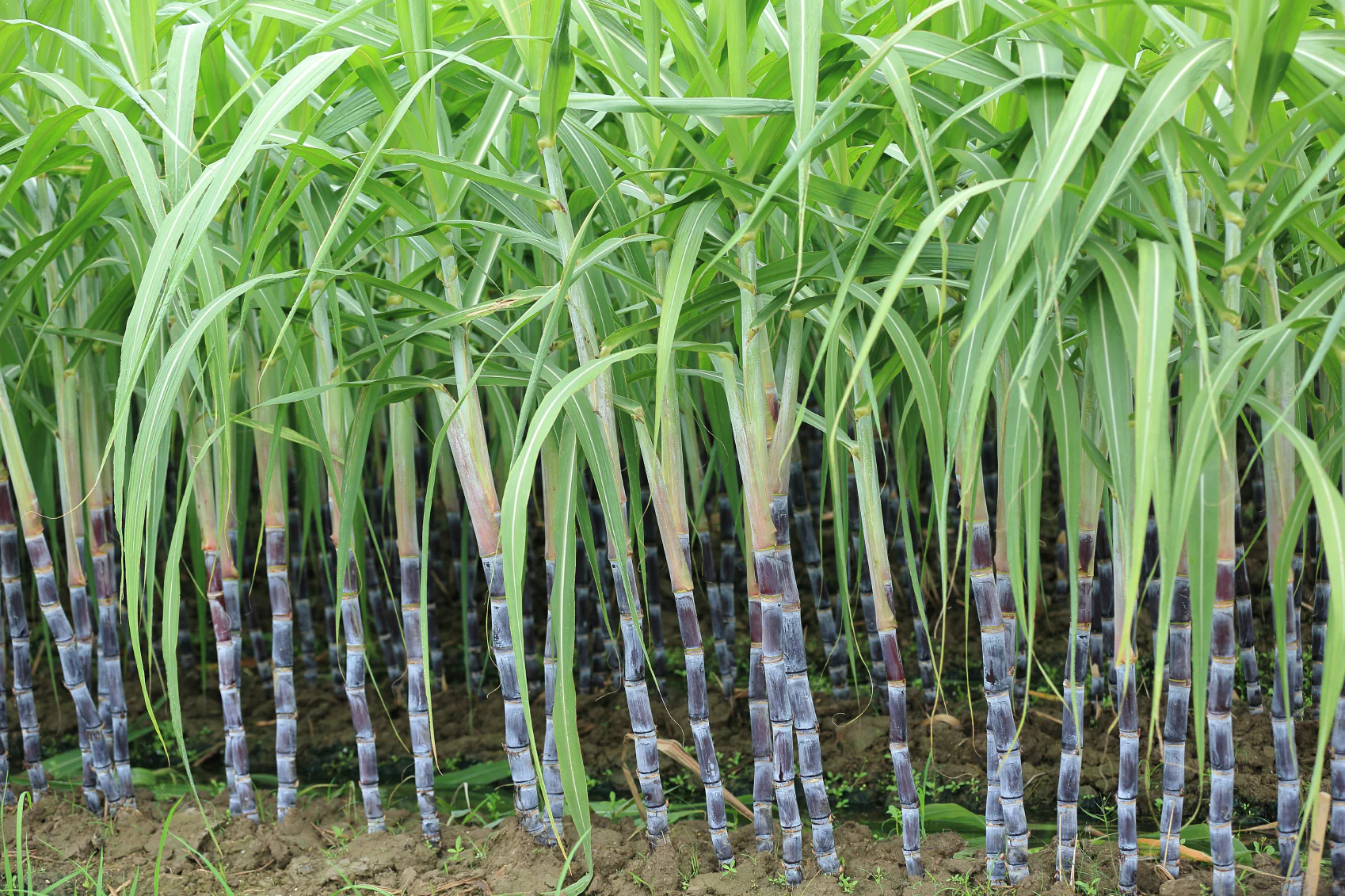
He emphasized that the production cost of planting sugarcane is different from that of corn and rice, and that an initial investment is made for planting sugarcane that can last up to ten years if it is cared for and maintained. “But if you plant corn, every year you have to make the investment of planting and harvesting ,” he said. According to Castro, if the initiative is viewed from a sustainability perspective, it helps the soil because it allows for clean production without fertilizers. “We wouldn’t be at risk if they close the Strait of Hormuz there because of the war (between Iran, Israel, and the United States).”

When asked about the transformation of the Agricultural Development Bank (BDA) from lending to producers up to 50,000, Castro indicated that this initiative would support the sector. However, he lamented that if a producer goes to the bank and says he is going to plant sugarcane, “they don’t even pay attention to him.” “That would have to be structured and be within the law because up until now it’s not a business,” and he believes it would be good to sit down with the government so that there are incentive plans for planting sugarcane, diversifying farms so they can have income from milk, corn, rice, livestock and breeding. “It is important for the producer to understand that the more we diversify and take a little bit of everything, the more financial and environmental sustainability we will have,” he stated.