Dengue Cases Rise in Panama: Colón Health Ministry Steps Up Fumigation
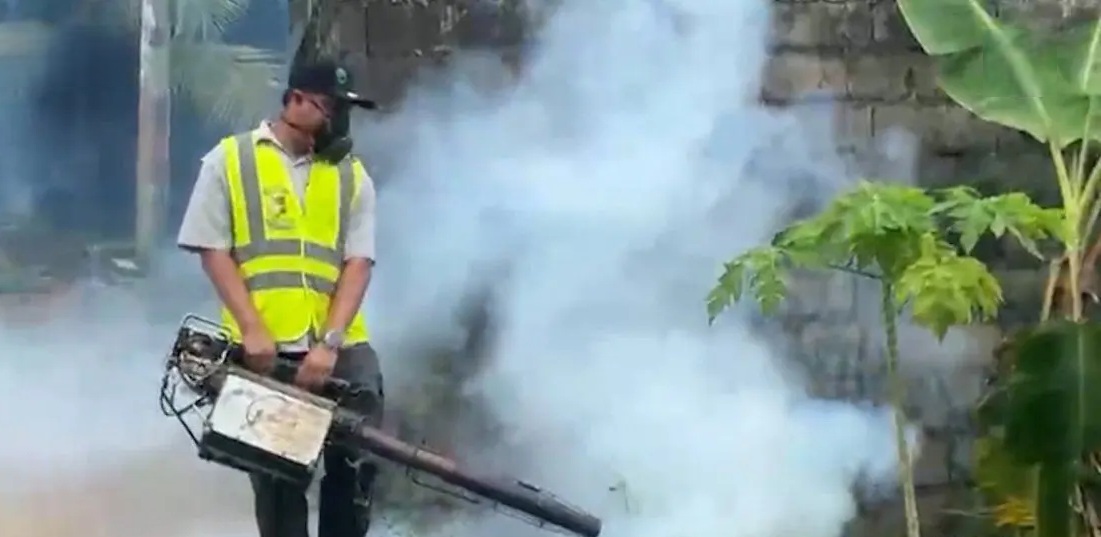
Health authorities in Colón have intensified fumigation operations after a rise in dengue cases in the province. The preventive measures are aimed at reducing the presence of mosquitoes that transmit the disease and limiting further spread. Dengue remains a recurring public health concern in Panama, particularly during periods when mosquito breeding conditions improve. In response, local health teams are focusing on vector control as one of the main tools to curb new infections. Dengue can spread quickly in communities where standing water and other mosquito breeding sites are present. Fumigation is often used alongside cleanup efforts, public awareness campaigns, and home inspections to reduce risk in affected neighborhoods.
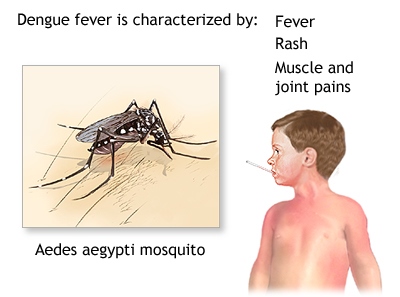
For Colón, the stepped-up operations reflect an effort to contain transmission before cases climb further. The response also underscores the importance of community participation, since mosquito control is most effective when households remove containers that collect water and allow health crews access to affected areas. Colón is one of Panama’s key provinces and faces the same climate conditions that can support mosquito proliferation in other parts of the country. Health authorities regularly rely on coordinated prevention measures during dengue outbreaks or increases in suspected cases. The current campaign places the Ministry of Health at the center of that response, combining fumigation with broader disease-control efforts intended to protect residents and reduce the burden on local health services.