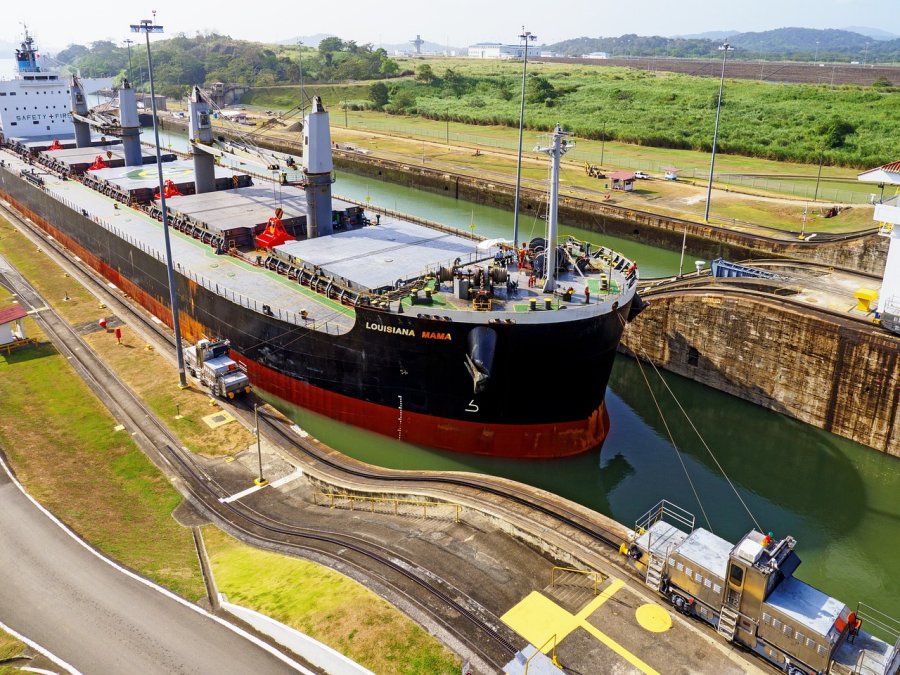

A 238 Million Dollar Water Treatment Plant in Gamboa Panama and Not a Single Drop of Water.
The Gamboa water treatment plant project pictured below is located in the township of Ancón, Panama City. Delays, construction flaws and a legal dispute have paralyzed the Gamboa water treatment plant, designed to benefit 150,000 users.
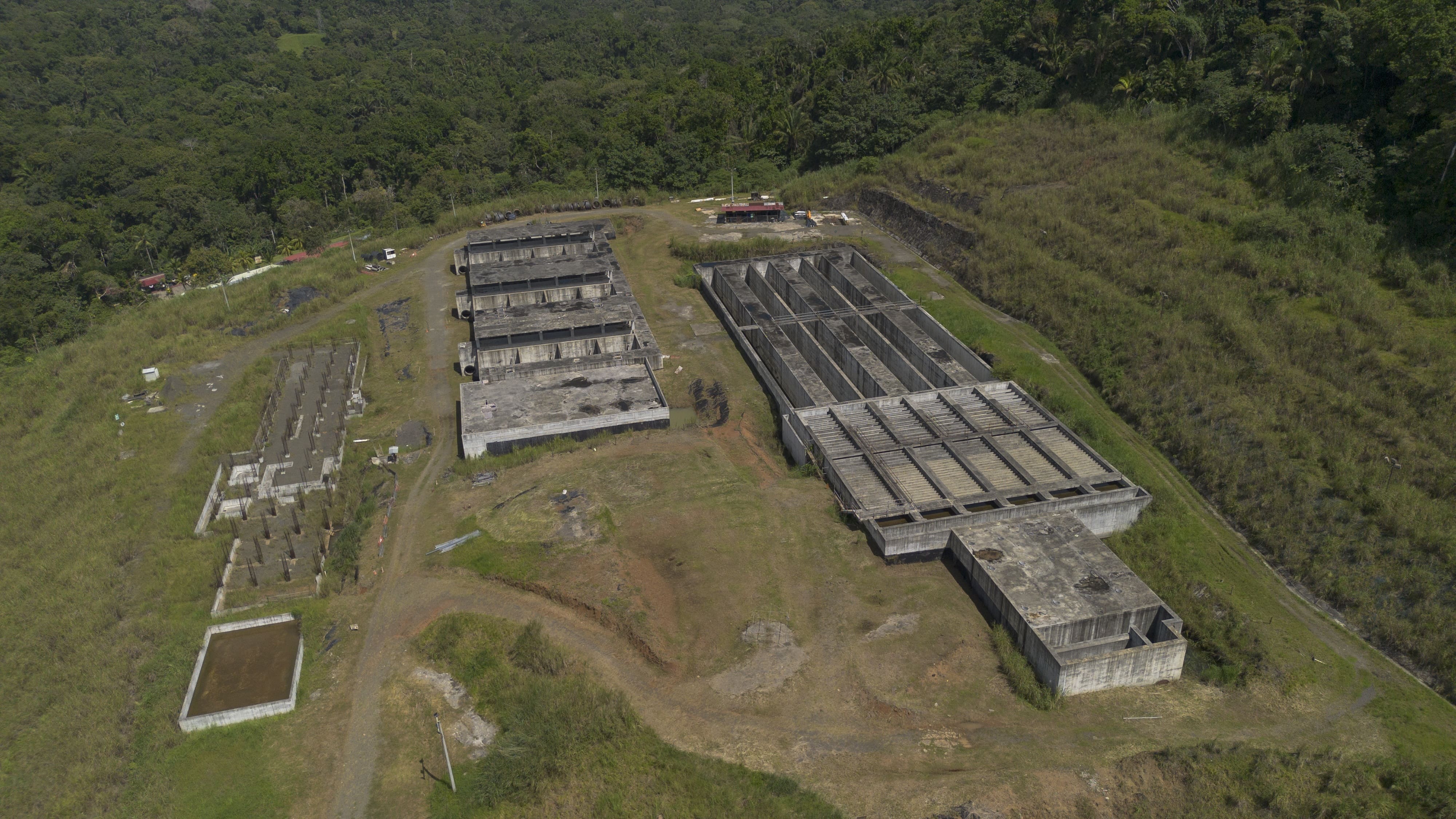
The Gamboa water treatment plant project was conceived to alleviate pressure on the drinking water supply in the districts of Panama City and San Miguelito. Eleven years after the bidding process began, the project remains unfinished, with physical progress at approximately 50% and no set date for its commissioning. What began as one of the country’s main water infrastructure projects ended up becoming a contractual conflict that has yet to find a solution. Construction was formalized on March 31, 2017, through Contract No. 04-2017, endorsed weeks later by the Comptroller General of the Republic for an amount of $238.9 million. The contract was awarded to the Agua para Gamboa Consortium, made up of the Spanish companies Cobra Instalaciones y Servicios, SA, and Técnicas de Desalinización de Aguas, SA (Tedagua).
11
Years have passed since the call for tenders in 2015, without the water treatment plant having become operational.
3,349
Extended deadline in days, with a delivery deadline set for May 4, 2024.
53.2%
Physical progress recorded in June 2023, compared to the 72% established in the schedule.
The Contract.
The contract stipulated an initial period of 1,745 calendar days for project completion. The promise was to build an infrastructure capable of producing 60 million gallons of water per day, with the possibility of expanding its capacity to 80 million. The project was intended to benefit approximately 150,000 users and help resolve supply problems in Panama City and San Miguelito, where water shortages persist. But the deadlines began to shift. A series of contractual modifications—including Addenda No. 1 of 2020, No. 2 of 2022, and No. 4, ratified in May 2023—extended the term of the contract to 3,349 calendar days. The new delivery deadline was set for May 4, 2024. However, the schedule was moving much faster than the construction itself.
1
In 2015, the process to build the Gamboa water treatment plant was launched.
2
In 2017, construction was formalized for $238.9 million, with an initial term of 1,745 days.
3
Idaan terminates the contract in June 2023, but the TACP annuls the decision in June 2024.
4
The project remains unfinished, with approximately 50% completion and no date set for its commissioning.
Technical assessments by the National Water and Sewerage Institute (Idaan) reflected the extent of the delay. As of June 19, 2023, the project had reached 53.2% physical completion and 51.5% financial completion, while the current schedule required 72% progress. The difference of almost 19 percentage points demonstrated that the project was far from meeting its established goals.
The Shortcomings.
Delays weren’t the only problem. IDAAN inspection reports documented deficiencies in the concrete structures and finishes. These included cracks in the aluminum sulfate tanks, recorded under incident number 1485, which had gone unrepaired for over 340 days. Uneven surfaces, segregation, and irregularities in the height of the walls above the foundation beams were also reported in the chemical building. These construction deficiencies were compounded by problems completing the electrical infrastructure, according to reports from IDAAN. Although Naturgy had approved the plans to build the 12-kilovolt power line in June 2021, the consortium decided not to begin work, citing technical and administrative difficulties.
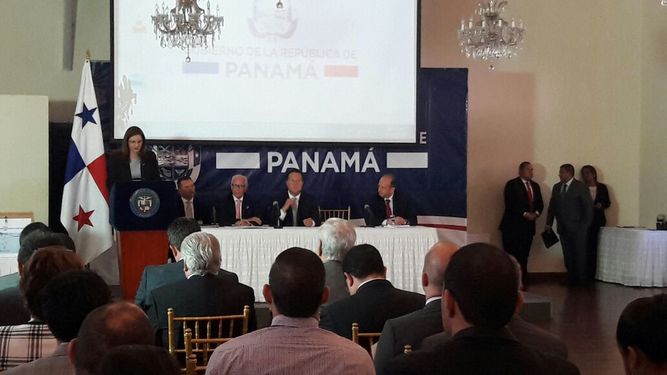
The water treatment plant was awarded during the administration of Juan Carlos Varela (2014-2019).
The construction also opened another front of conflict with the Panama Canal Authority (ACP). The recurring traffic of heavy equipment deteriorated sections of the Summit-Gamboa road, a situation that led the ACP to issue a notice in February 2023 ordering the immediate suspension of work and demanding repairs to the roadway. The warning included the possibility of revoking the Permit of Compatibility with Canal operations. During inspections carried out in June of that year, IDAAN also noted the absence of the resident engineer and key technical personnel at the work sites. The company attempted to justify these absences by implementing teleworking arrangements on weekdays.
The Failed Termination.
Given this series of breaches, the then executive director of Idaan, Juan Antonio Ducruet, signed Executive Resolution No. 059-2023 on June 30, 2023, through which he decreed the administrative termination of the contract. The decision also included a three-year ban on the Agua para Gamboa Consortium and its member companies, Cobra and Tedagua, from contracting with the Panamanian government. But the dispute was far from over. On July 7, 2023, the consortium filed an appeal with the Administrative Court of Public Procurement (TACP). Their defense did not focus its argument on the construction deficiencies documented by IDAAN, but rather on the procedure used by the agency to terminate the contract. The argument alleged a violation of the guarantees established in an international treaty signed between Panama and Spain.
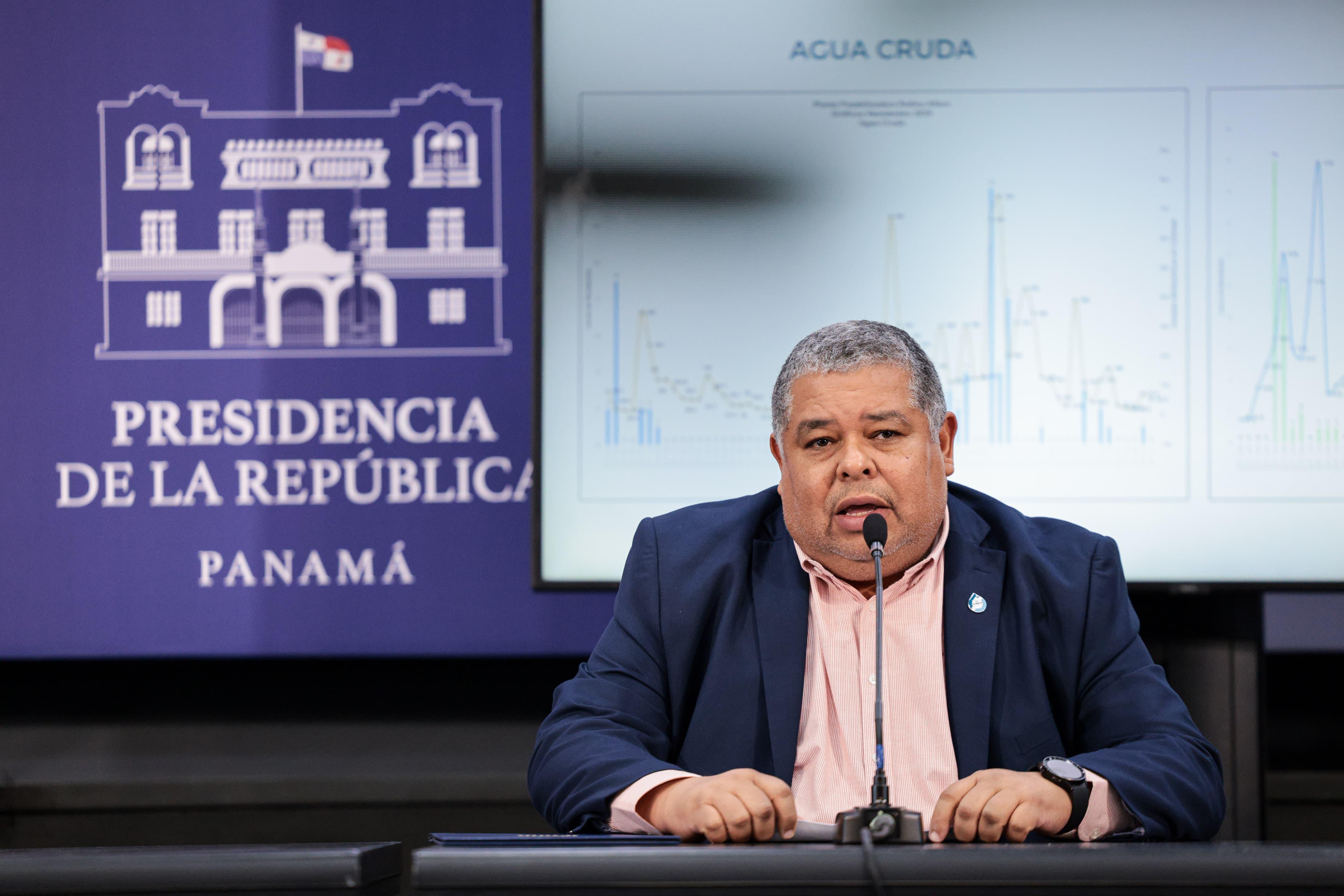
Rutilio Villareal, former director general of IDAAN, held meetings with the contractor but there was no progress.
The International Treaty.
The controversy revolved around Law No. 43 of July 1, 1998, which approved the Agreement for the Promotion and Reciprocal Protection of Investments between both countries. The consortium argued that, because the companies were incorporated under Spanish law, the dispute should be submitted to the direct settlement mechanisms provided for in that instrument. Article XIII establishes a minimum period of six months, counted from the written notification of the dispute, to attempt to reach an amicable solution before resorting to specific measures or dispute resolution mechanisms. The argument gained relevance because Idaan had issued its termination resolution just one month after publishing, on May 29, 2023, the notice of intent to terminate the contract.
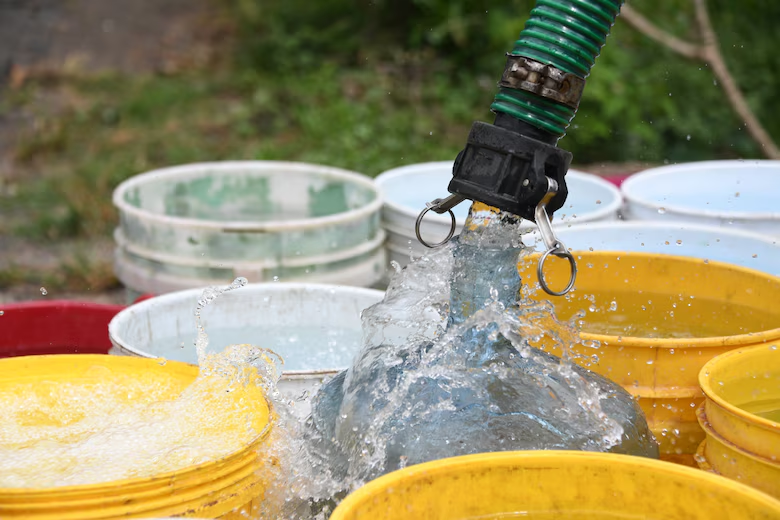
In Several Areas of the Capital, Water is only Delivered by Tanker Trucks.
June 21, 2024, the Administrative Court of Appeals (TACP), under the opinion of Judge Manuel Beckford, declared Executive Resolution No. 059-2023 absolutely null and void through Resolution No. 107-2024/TACP, considering that due process had been violated. The decision nullified the rescission and disqualification of the Spanish companies. In August 2024, a working group was established between IDAAN, then headed by Rutilio Villarreal, and the consortium. However, the talks failed to reach an agreement to restart construction.
The Current Uncertainty.
The uncertainty remained in May 2026, when IDAAN requested authorization to hire a law firm for $77,000 to evaluate legal alternatives for resolving the conflict. The institution was still seeking a legal solution for a project that was supposed to be completed.
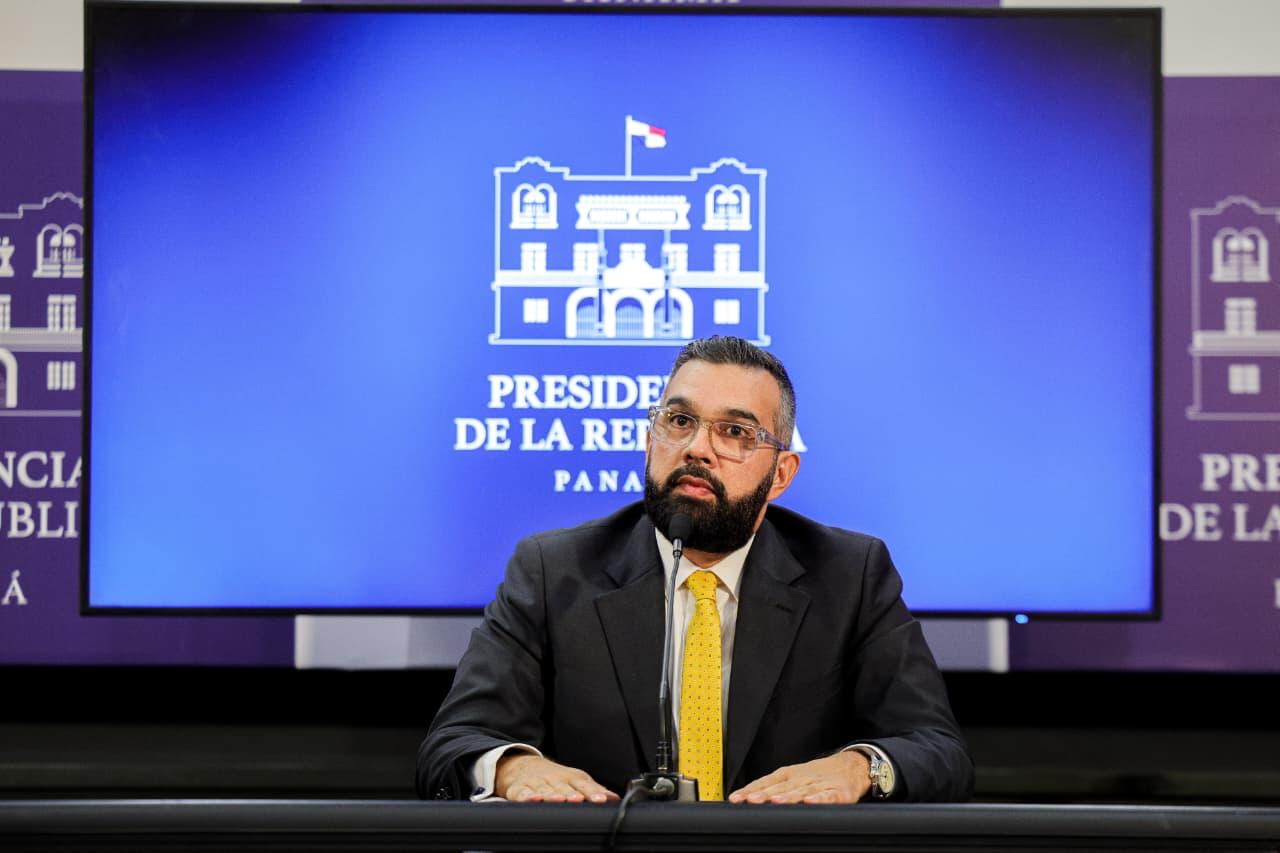
The executive director of the National Water and Sewerage Institute (IDAAN), Antonio Tercero González.
News Media attempted to contact the director of the National Institute of Aqueducts and Sewers (Idaan), Antonio Tercero González pictured above, to learn about the institution’s latest actions regarding the Gamboa water treatment plant, but received no response. However, in a recent interview with reporters, the official stated that the project remains stalled due to a legal dispute and that the agency is conducting a technical audit to determine the condition of the infrastructure and the materials acquired. While IDAAN (the National Water and Sewerage Institute) assesses how to resolve this conflict, the capital continues to rely heavily on the Federico Guardia Conte water treatment plant in Chilibre. As of November 26, 2026, the Gamboa plant still has no scheduled start date: a multi-million dollar project that, after almost a decade, has yet to provide water for the population.