
How Panama-Based Businesses Can Manage Compliance Risks in International Trade
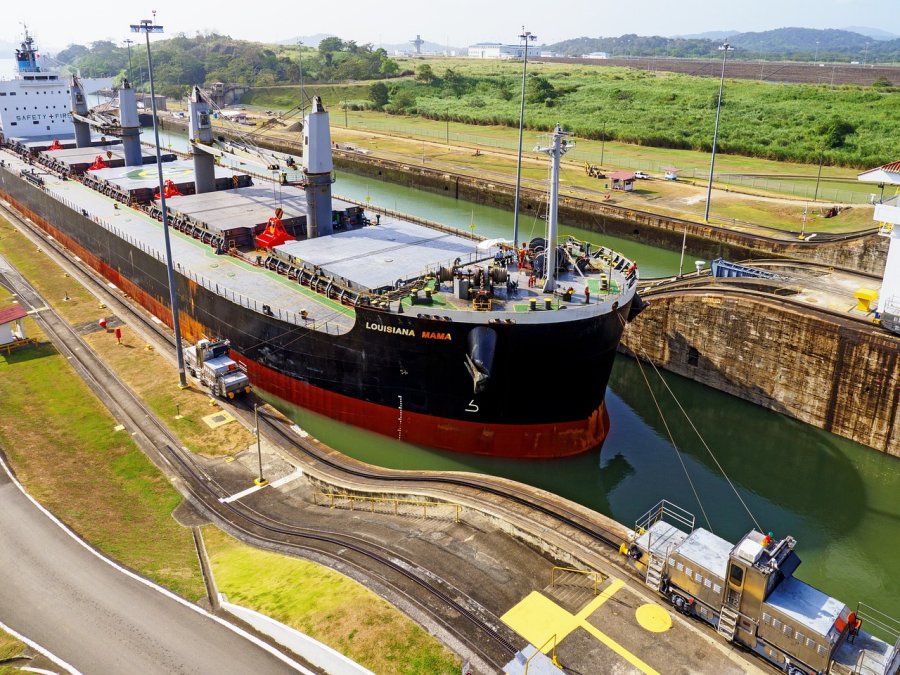
Compliance means following the laws that apply to your business, which sounds simple in theory. But when questions about jurisdiction and international laws arise, it can get quite complicated. It’s particularly difficult for companies operating in Panama because the country has had a reputation for money laundering.
But Panama remains a major trade hub with one of the world’s largest shipping registries, so companies around the world are at risk of compliance violations. This article explores three of the riskiest compliance violations for companies operating in Panama
Risk 1: Dealing With Sanctioned Entities
Panamanian companies have diverse origins, meaning that those doing business in the country can find themselves interacting with individuals from all corners of the earth. This includes citizens of countries like Iran and Russia, which are subject to extensive financial sanctions by both the United States and the European Union. Companies can be penalized for dealing with sanctioned individuals, even if they did not know that the person was on the sanctions list.
Thankfully, you can help avoid penalties for dealing with sanctioned entities by screening every customer, supplier, and ship against the sanctions list before you start doing business. Remember that the list changes often, so re-screen regularly.
Add a sanctions clause to your contract allowing you to cancel any dealings with an organization if a partner is listed on the sanctions list. You should work with an OFAC lawyer, which is an attorney that specializes in US sanctions, if your screening turns up a possible match, or if you want to self-report a violation, which usually lowers the penalty.
Risk 2: Money Laundering Through Trade
Panama is home to the Panama Canal, which is a vital international shipping route. While the Panamanian government rejects the idea, according to a report in The Rio Times, the Colón Free Zone, where companies can store goods without paying Panama’s import tax, is a smuggling and money laundering hub. This form of financial crime involves deceptions such as disguising illegal money as legitimate trade, or trading in fabricated shipments that don’t actually exist.
Money laundering is such a problem in the region, and the authorities take this form of financial crime so seriously that you can be blamed for money laundering if you should have known it was going on. If criminals are using your company in any capacity to move around money implicated in criminal transactions, you can face harsh consequences, and ignorance isn’t an excuse.
The Panamanian authorities are checking shipments coming in and out of the Colón Free Zone more stringently, so companies operating in Panama need to ensure:
- They have realistic invoice prices, free of errors or understatement
- They can confirm that the goods shipped out matched what goods were paid for
- They accept payment only from the actual buyer and no one else
- They keep complete records for every shipment
Risk 3: Being Associated With “Shadow Fleet” Vessels
Laundering and sanctions evasion are often done through so-called shadow fleet ships, which are ships that engage in questionable behavior, such as turning off tracking systems and moving cargo from ship to ship while at sea. According to The Insider, a Russian shadow fleet network is helping Moscow to bypass the extensive sanctions imposed on Russia following its invasion of Ukraine.
In Panama, the authorities are cracking down on sanctioned vessels. And the US is pressuring them to take things further. If your vessel is implicated as being involved in this shadow fleet, your cargo could get caught up in a lengthy investigation.
Before you book a ship, you should check its history. Consider the following:
- Previous owners
- Flag changes
- Gaps in tracking
If information is suspicious or lacking, consider doing business with a more well-known shipping company.
Protecting Your Business in Panama
Business in Panama has many advantages, and for many companies, it’s unavoidable. The Panama Canal is a vital shipping route, but the companies passing through must be able to demonstrate that operations are legal and legitimate. Governments on both sides of the Atlantic are cracking down on companies engaging with entities on the sanctions list or with the shadow fleets that enable countries like Russia to bypass trade sanctions.
When it comes to compliance risks, ignorance isn’t a defense. Money laundering and dealing with sanctioned organizations could cause legal problems for your company both within Panama and in countries in Europe or North America. Companies operating in Panama should speak to a qualified OFAC lawyer to make sure their interests are safeguarded at all times.