The Fight Against Dengue Fever in Panama.
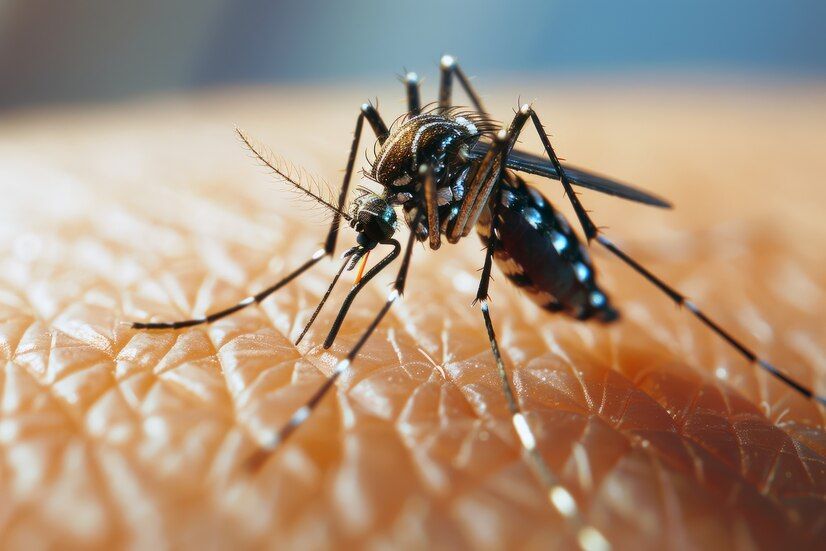
Dengue fever continues to be an ongoing concern in Panama, particularly in the regions of Panama’s densely populated urban centers and Caribbean coastal regions, with Colón, the Metropolitan Region (Panama City), and Chiriquí (in the lower elevation districts) recording the highest case numbers. While high-density districts drive the largest total case counts, smaller provinces like Bocas del Toro and Los Santos often experience the highest infection rates per capita.
Health Minister Fernando Boyd Galindo announced that Panama will add the dengue vaccine to its national immunization schedule in the first half of 2027 to help reduce severe cases and hospitalizions. The announcement was made during the Global Health Conference of the Americas 2026, an international meeting in Panama that brought together more than 75 health experts this past week.
The minister confirmed that the initial shipment of vaccines is projected to arrive in the first half of 2027, depending on regional allocation from the Pan American Health Organization (PAHO). Adolescents between 10 and 15 years of age will be in the priority age group for the vaccine. Studies have shown this demographic group faces higher risks of severe complications from the virus.
Health officials are still analyzing whether to start the immunization nationwide or to focus first on the provinces with the highest incidences of Dengue Fever. The vaccine will be administered in two doses and will be free of charge. Even though the vaccine will help fight against Dengue, it is not the only safe guard. Residents and travelers should continue to eliminate standing water where mosquitoes breed, using insect repellent, wearing protective clothing and education.
The symptoms of Dengue fever can include:
High fever, severe headache, pain behind the eyes, muscle, joint and bone pain, nausea and vomiting. Only about 1 in 4 infected people develop symptoms, which usually appear 4 to 10 days after a mosquito bite and last for 2 to 7 days. A blood test is required to confirm the diagnosis.