7 Practical Tips for the First 48 Hours After Saying Yes to Rehab

Agreement to enter addiction treatment can fade within a day or two of being given, as withdrawal symptoms and shame supply fresh grounds to put it off. Relatives who reached that agreement through intervention counselling have seen how quickly the window can close. A family that handles the calls, paperwork and packing in the first hours leaves far fewer openings for doubt before admission day.
1. Why Should the First Call Happen Within Hours?
A same-day call to a treatment centre gives the family its best chance of booking an assessment before motivation drops. Many private residential programs in Canada keep their intake lines open around the clock. When a bed is free, admission can move quickly, so ask the coordinator for the earliest possible date and for anything that must happen first, such as a phone screening or a medical clearance.
A centre with no bed this week may be able to add your loved one to its cancellation list. Accept the spot, then phone a second centre the same afternoon to compare start dates. Letting your loved one join the call, or speak to the coordinator alone if they prefer, gives them a say in the plan they are about to follow.
2. What Information Will the Intake Team Ask For?
That first call goes faster when one family member has already written down the details the clinical team needs to judge medical safety and program fit. Coordinators will want most of the following.
- Substances used, the amount, how frequently and the date of last use
- Prescription medications, dosages and the name of the prescribing doctor
- Past treatment attempts, overdoses or withdrawal complications
- Diagnosed mental health conditions and the name of any current counsellor
- Provincial health card number and extended health or workplace benefits details
Someone who reports half of their real drinking may be placed without the medical monitoring their withdrawal calls for. Encourage your loved one to give the honest number, however embarrassing it feels to say aloud.

3. Who Pays, and How Can You Find Out Fast?
With provincial health insurance generally excluding private residential addiction treatment, the money question comes down to an extended health plan through the person’s own job or a spouse’s employer. An employee assistance program (EAP), if the workplace has one, can help with referrals and short-term counselling, though it rarely covers the cost of a residential stay.
One family member should own the call to the insurer on the first morning, with the policy number in hand. Ask for the coverage limit on addiction treatment, any pre-approval or referral requirement, and a reply by email that the treatment centre can review. Learning on day one that the plan covers only part of the stay leaves time to arrange the balance before admission.
4. Is It Safe for Them to Stop Using Before Admission?
Alcohol and benzodiazepines can cause seizures when stopped abruptly after heavy use, and severe alcohol withdrawal can lead to delirium tremens. No one should push a loved one to quit before the intake team has reviewed their history. Opioids carry a different danger. Tolerance drops within a few days of stopping, leaving a relapse at the old dose capable of causing a fatal overdose.
Ask the centre what your loved one should do between now and admission, then follow that advice even if the family would prefer an immediate stop. If opioids are involved, keep a naloxone kit at home; pharmacies in most provinces give them out free. Call 911 for seizures, confusion, slow or stopped breathing, or a person who cannot be woken.
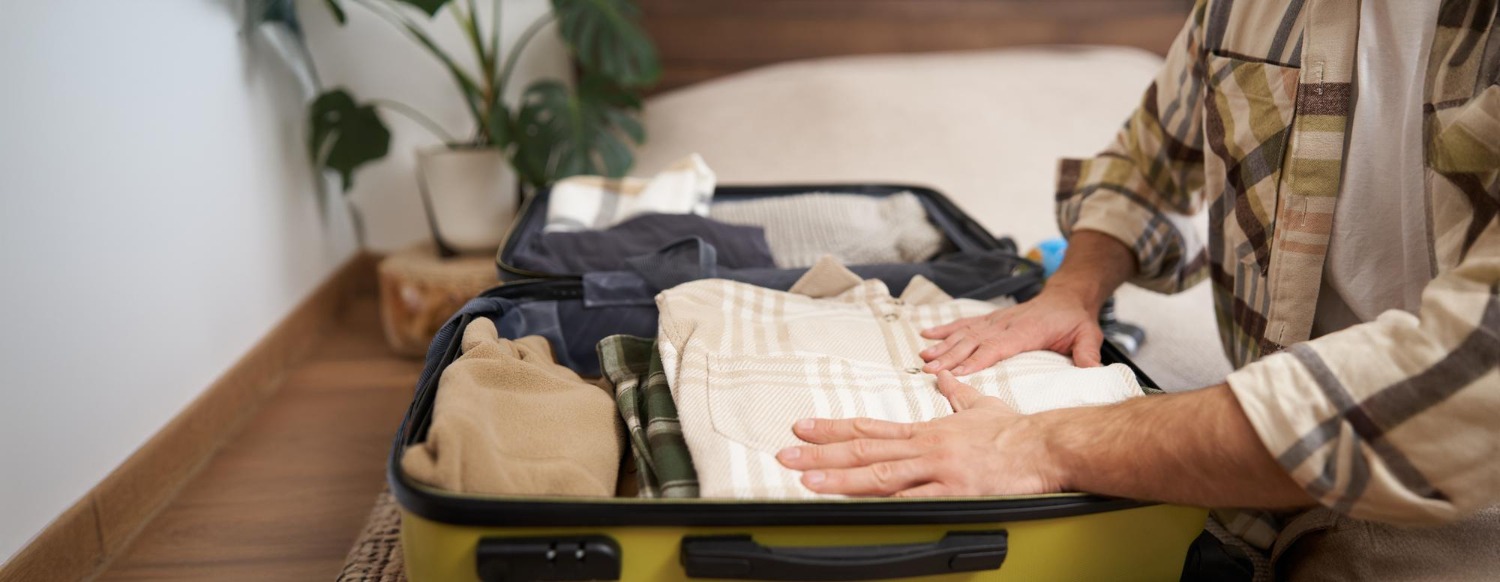
5. What Goes in the Bag, and What Stays Home?
Packing on the first evening means the bag is ready the moment the centre confirms a date. Where the centre sends its own list during intake, follow it over any general advice; most ask for about a week of comfortable clothing, government photo ID, the health card and all current prescriptions in their original labelled bottles.
Mouthwash, hand sanitizer and toiletries with alcohol among the ingredients usually stay home, as do over-the-counter sleep aids, which many facilities do not allow on site. Phone access may be limited during the first days of treatment, so tuck a paper sheet with two or three family numbers into the bag for calls from a facility phone.
6. Which Responsibilities Need Covering at Home and at Work?
The most persuasive excuses for delay come from unfinished obligations at work and at home. Settling them before your loved one raises them takes those arguments away. Employers can ask for medical confirmation of a longer leave, though the diagnosis itself can generally stay private. For lost income, EI sickness benefits through Service Canada require 600 insured hours in the past 52 weeks and a certificate signed by a medical professional.
Child and pet care needs a person who can cover the full length of the stay. Rent and recurring bills can go on automatic payment, and a landlord or trusted neighbour should know if the home will sit empty for several weeks.
7. What Do You Say When They Start to Change Their Mind?
Second thoughts in these two days tend to arrive sounding reasonable, such as a wish to wait until after a birthday or to try cutting back alone first. Skip the debate over each excuse. Return to the commitment already made by reminding your loved one what they said when they agreed, and that a bed is waiting for them.
Short, blame-free talks work best here, since a list of past harm can push someone who already feels ashamed back toward using. The remaining hours can go to low-pressure time together, such as a shared meal or a walk, with visits from friends who still use postponed until after admission. Set a firm departure time and have the most trusted family member ride along, so your loved one never faces the last stretch alone.
What Should the Family Prepare for Once Admission Day Passes?
The family’s work changes once the person is admitted, from protecting a decision to preparing for the day they come home. During the weeks of residential care, relatives have time to learn about boundaries and relapse warning signs, along with any family sessions the program offers. Al-Anon and Nar-Anon groups meet in communities across Canada for relatives who need support of their own during that stretch.