

Digital Security on the Panama Canal.

This past week, for two days, some shipping companies of the Panama Canal reported intermittent and temporary difficulties in finalizing reservations for vessel transit slots through the interoceanic waterway. This happened immediately after The Panama Canal Authority performed an update of the authentication mechanisms used in its systems. However, the situation does not compromise the continuity of operations of the interoceanic waterway and that currently all its systems are functioning normally. In response to the increase in cyber threats globally, the Panama Canal is constantly strengthening its digital security measures to protect its systems, information and operations.

Is the canal at risk for cyber attacks? As a vital global maritime chokepoint that relies heavily on automation, digital logistics, and interconnected technologies, the canal is considered to be, a high-priority target for state-sponsored actors, ransomware groups, and hacktivists. Maritime security experts estimate the canal to be one of the most probable next targets for major critical infrastructure cyberattacks. The canal relies on supervisory control and data acquisition (SCADA) systems to control lock mechanisms, water levels, and basic power supplies. As these operational technology systems increasingly integrate with Internet Protocol networks, the risk of a hacker manipulating physical transit mechanisms rises.
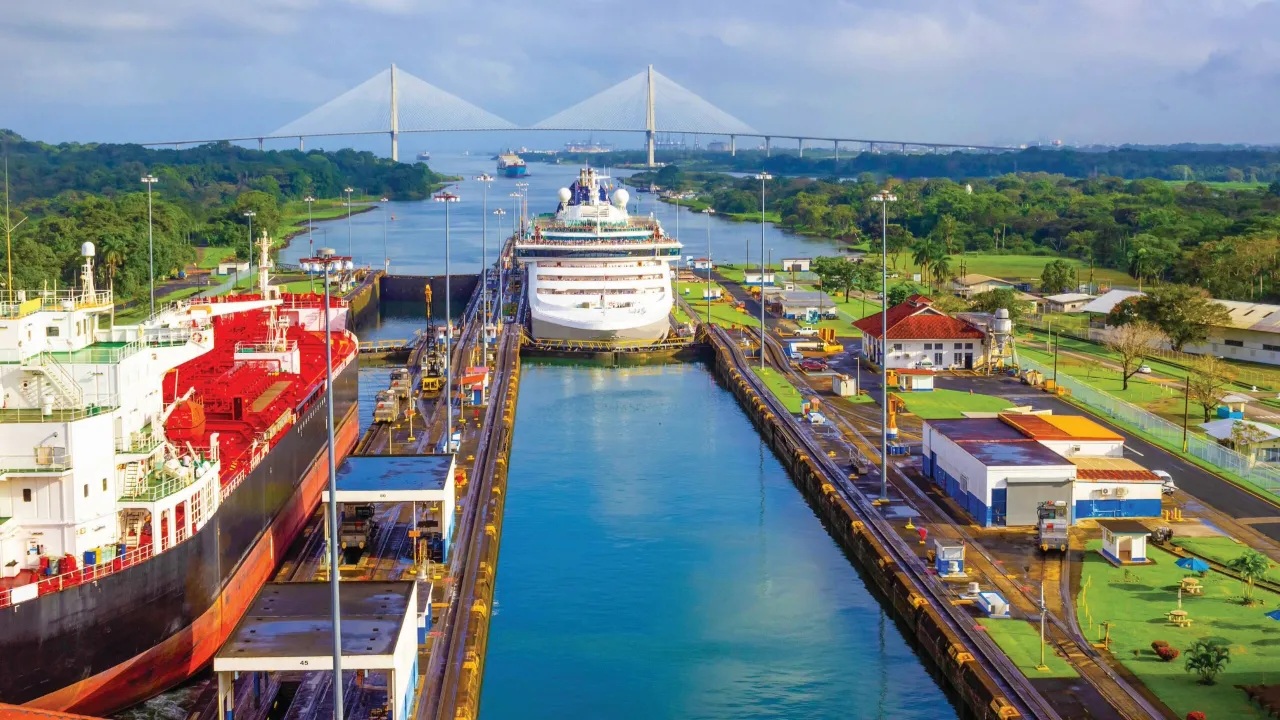
U.S. and regional security analysts have continuously raised concerns regarding Advanced Persistent Threats (APTs) from foreign state actors (specifically linked to Russia, China, and Iran) seeking backdoors into the canal’s digital logistics and automated tracking systems for potential future sabotage. Latin American critical infrastructure historically encounters a high rate of user account attacks and legacy software vulnerabilities. The Canal Authority indicated that its cybersecurity systems are periodically subjected to internal and external audits, as well as specialized assessments.

This is in addition to ongoing monitoring of the risks faced by digital infrastructures worldwide. Like other sectors in the country, the Canal constantly receives attempted cyberattacks, so they secure the systems and carry out backups and updates. The defense of the canal is regularly stress-tested. The massive Panamax 2026 military exercises, which were held August 3 to August 13, 2026, involving professionals from 20 countries placed a heavy emphasis on joint cyber defense maneuvers alongside physical maritime operations.