It went From $55 Million to 168.9 Million in 2026. The IMA Triples its Budget.
In March, the IMA suspended the fairs due to a lack of funds. Since then, it has received transfers and loans to purchase rice and other food.

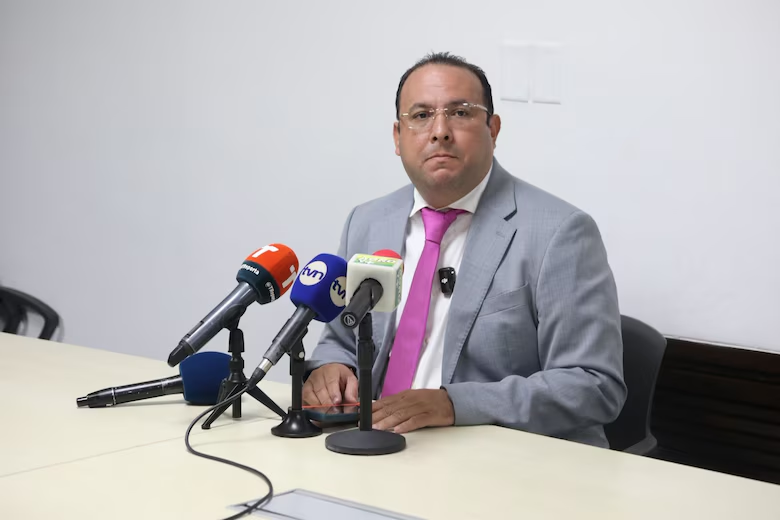
The Agricultural Marketing Institute (IMA) is one of the public entities that has increased its budget the most in 2026. It started the year with $55 million and, as of September 30, it already had $168.9 million, more than triple. This represents an additional $113.9 million, a 207% increase, according to the Ministry of Economy and Finance’s (MEF) execution reports. The National Assembly is a close second, having also dramatically increased its budget. The IMA, whose director is Nilo Murillo pictured below, had executed $111.6 million by September.
Rice and Products for Fairs.
However, most of that money has gone to buying rice and other food for fairs, the People’s Stores and agricultural distributors, a strategy of the government of José Raúl Mulino to cope with the cost of the basic food basket and bring cheap food to taxpayers. These fairs were even suspended in March due to a lack of funds. In fact, the year began with trade fairs. In January, the IMA set up sales booths at the La Chorrera International Fair, the Bugaba Expo, and the Santa Fe Fair in Veraguas, among others.
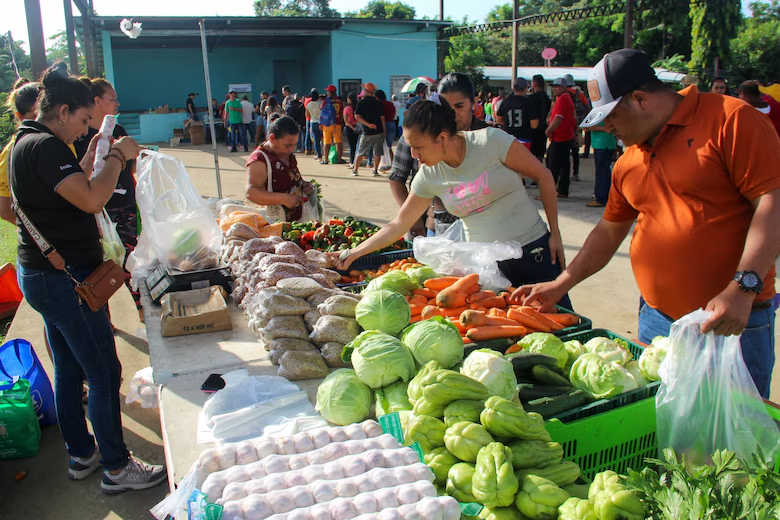
But in March, the situation changed. The director of the IMA, Nilo Murillo, explained to news media that the entity had planned a year of operations with $110 million, but suffered a cut of $64 million. Part of what remained went to pay outstanding debts accumulated since 2021. The IMA requested an additional $50 million. “They gave us $3 million last week,” the director said, adding that they had to choose between the fairs and the stores.
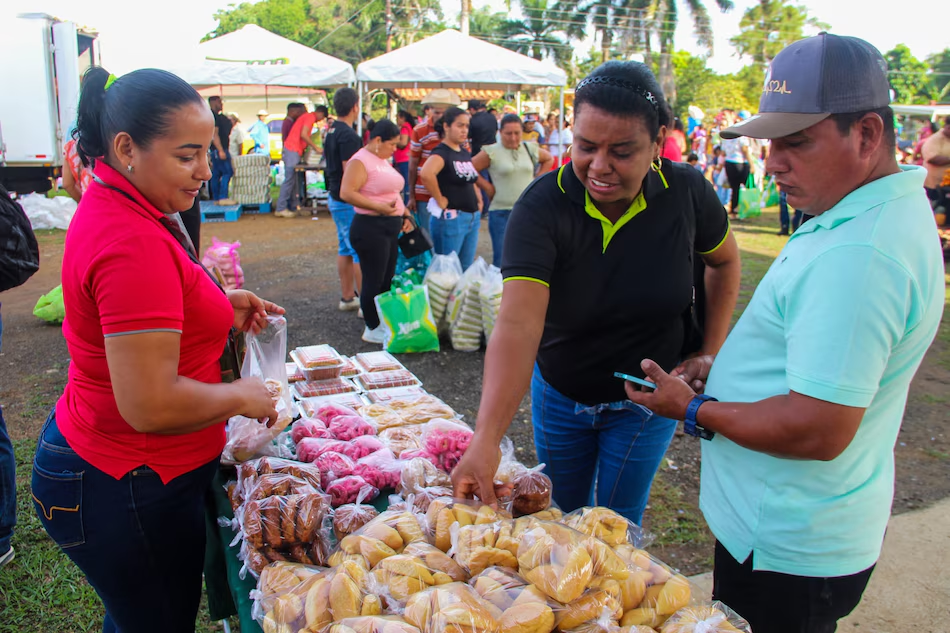
That $3 million is the first movement that the MEF records in its report. On March 5, the Assembly’s Budget Committee approved a budget transfer of that amount to purchase 700,000 quintals of domestic rice, destined for the fairs from February to July. From then on, the budget increased almost every month. With the funds replenished, the fairs returned to the streets of Panama. By the end of May, for example, this institution was already announcing agricultural fairs in seven provinces.

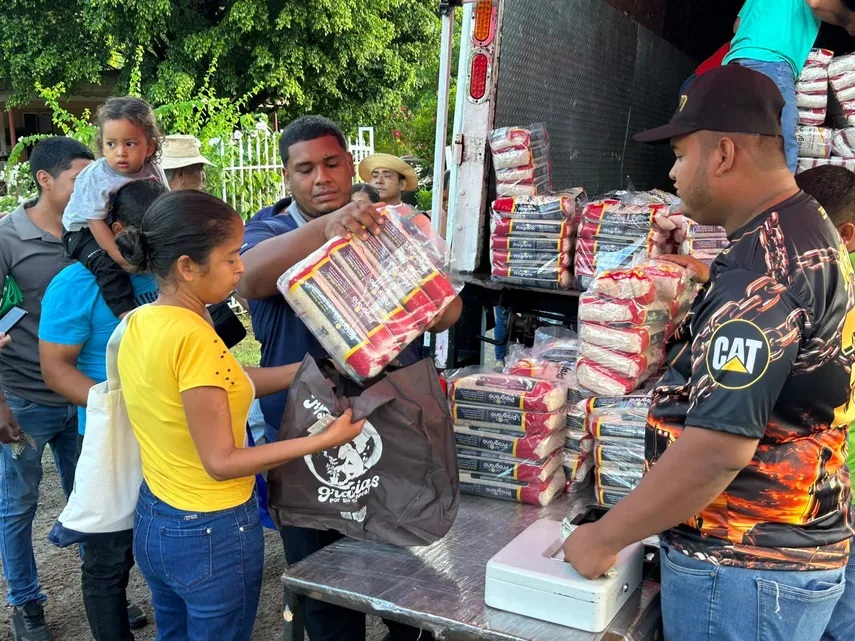
Since last August, he has been calling them several times a week: On August 4, the Cabinet Council approved an additional credit of $22.1 million to purchase 550,000 quintals of rice and other basic food basket products for fairs, stores and agricultural distributors. On September 24, the Budget Committee approved another $35.3 million credit to the IMA (Agricultural Marketing Institute), with nine votes in favor, to purchase domestic rice for fairs, agricultural distributors, and People’s Stores. This was the same day that the legislators, behind the backs of the public, approved $32.1 million for the Assembly’s payroll. Almost the entire increase is in the investment category, which rose from $45.3 million to $159.3 million. This is the budget item that the IMA uses to buy the food it resells at low prices.
Christmas and 2027.

The IMA announced that Christmas fairs will return in December, with Christmas boxes for $15 that will include more products than last year. For 2027, the entity requested $112.4 million from the Ministry of Economy and Finance (MEF), but was recommended $47.7 million. If this year’s pattern repeats itself, the initial budget would again fall short and would be supplemented with budget transfers and additional funding throughout the year.
The Cheeses.

This entity was recently embroiled in controversy due to its cheese purchases. Last October, the Comptroller General’s Office approved two purchases of Don Rirry brand fresh white cheese: one for 135,135 units for $249,999.75 and another for 27,000 units for $49,950. In total they amount to almost $300,000. The purchase is being processed through the Association of Cheese and Dairy Processors of Panama (Aproquelpa), the trade association that Nilo Murillo chaired before becoming the director of the IMA.
According to a statement from the IMA, the purchase originated in June, when the Livestock Association and the Association of Grade C Milk Producers of Central Provinces requested it from the Minister of Agricultural Development, Roberto Linares. Producers claim there is an overproduction of milk and that the purchase would prevent losses and a drastic drop in prices. The IMA sent the two disbursements to the Comptroller General’s Office on October 13, four days after the earthquake. This purchase is not part of the emergency response.

The IMA was created by Law 70 of 1975 as an entity with its own legal personality and assets, subject to the policies of the Ministry of Agricultural Development (Mida) and the oversight of the Comptroller’s Office.