Stricter Regulations Needed on Self Built Block Houses in Panama With No Earthquake Resistant Features.
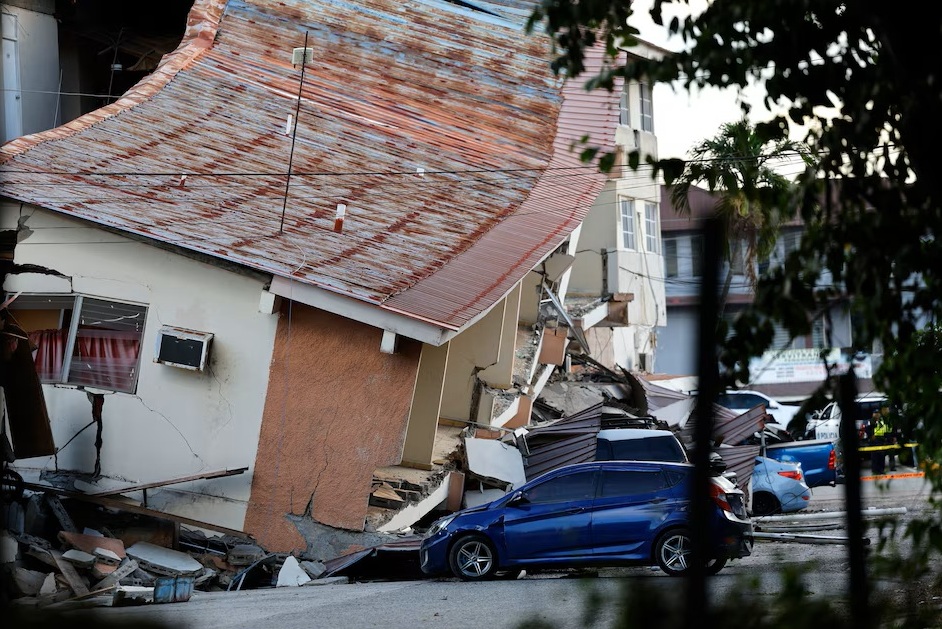
Following the initial inspections carried out on site after the earthquake, Dr. Ramiro Vargas, professor at the Technological University of Panama (UTP), pointed out that many of the self-built and privately constructed houses lacked the necessary reinforcement standards. The inspections revealed that many masonry buildings lacked adequate reinforcement elements. The most widespread damage was diagonal cracking and wall collapses due to a lack of structural integration, causing blocks and debris to fall onto the ceilings.
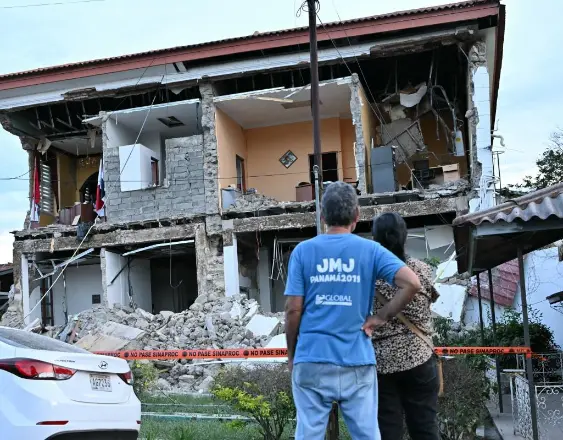
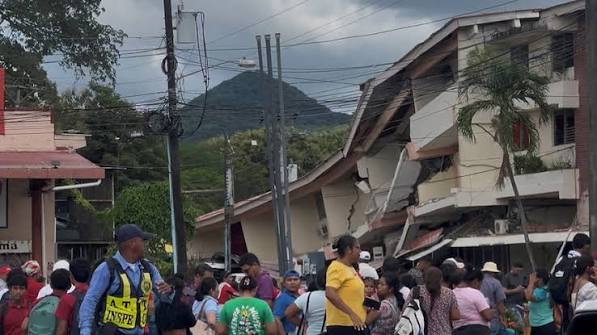
While Panama’s modern skyscrapers and city structures successfully withstood the tremor due to strict regulations, the event exposed a massive gap in rural residential areas. Over 1,300 older, unreinforced brick and block homes collapsed or suffered severe structural damage, particularly in provinces like Veraguas, Herrera, Los Santos, and Coclé. High-rises and master-planned communities tightly adhere to the regulations, however, local (informal) construction in rural areas historically bypass them.
Following the disaster, the Panamanian government has strictly declared that compliance with the “Reglamiento Estructural Panameño” (REP) is fully mandatory for all future residential developments. Originally established in 1984 (REP-84) and progressively updated through REP-2021, these national seismic standards mandate that structures must be engineered to absorb seismic forces and prevent collapse. The Ministry of Housing (Miviot) is currently engineering and constructing roughly 2,700 new homes specifically designed to meet modern seismic standards for displaced families.
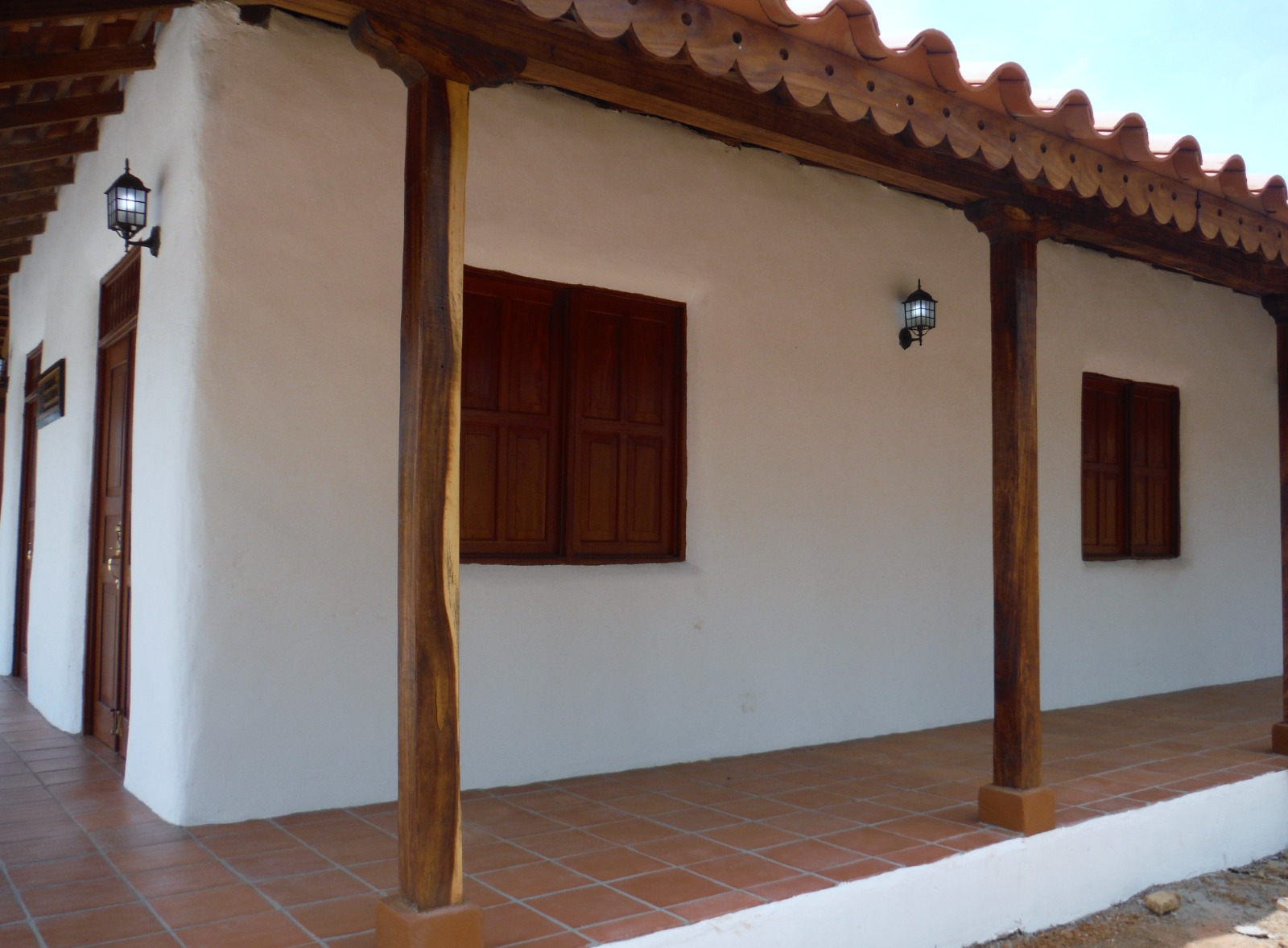
Interestingly, the 2026 earthquake highlighted the value of traditional Panamanian architecture. Local Quincha homes pictured above, built using ancestral methods featuring bamboo and deep-rooted native tree frameworks plastered with mud proved remarkably earthquake-proof. Several historical Quincha structures entirely withstood the massive seismic movements without structural wall or floor failure, offering inspiration for eco-friendly, seismically resilient building techniques.