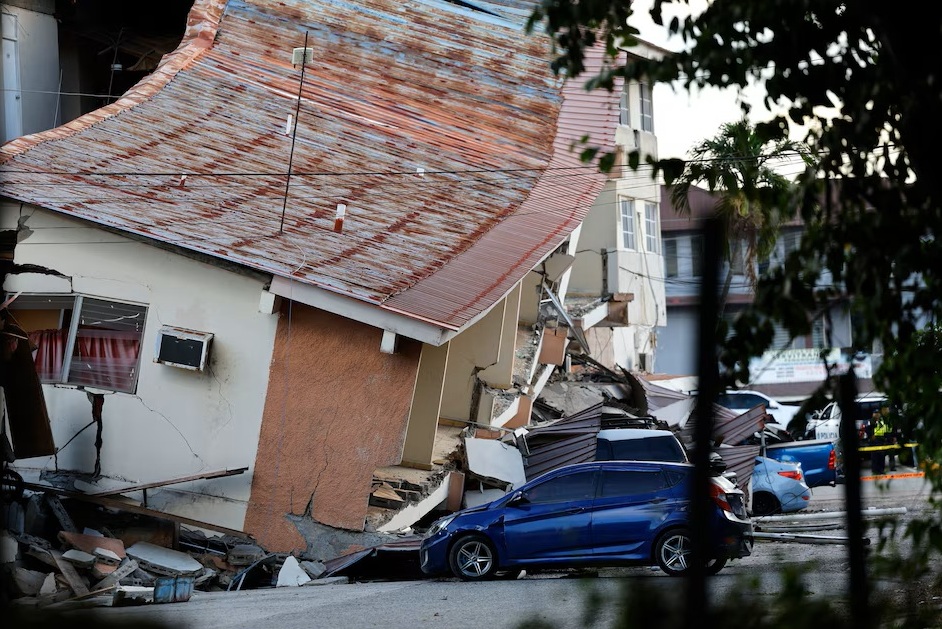

First Debate Passed to Make 20 Million Dollars of Municipal Funds Available Due to the Panama Earthquake.

The National Assembly has cleared a bill in the first debate that seeks to make use of municipal funds more flexible to address the consequences of the October 9 earthquake. The reform could free up approximately $20 million in municipal resources. The amount represents the funds that could become available through the proposed changes. The Committee on Municipal Affairs approved the consolidation of three bills that amend provisions of Law 37 of 2009, which regulates the decentralization of the Public Administration. The objective is to expand the financial capacity of local governments temporarily in response to the recent emergency.
The initiative proposes that municipalities in the affected areas and other areas certified by the competent authority may allocate up to 100% of the net resources received from property taxes, including uncommitted balances from previous fiscal years, to operating expenses related to the emergency, social assistance, and urgent recovery efforts. The change seeks to give local authorities more leeway to respond to the needs of communities without the usual restrictions on the use of these resources. The approximate figure of $20 million is one of the key economic data points in the discussion, but it is still necessary to determine how much corresponds to property taxes and how much to the municipal investment program. This breakdown would also allow for the identification of which municipalities and community boards could access the funds.
The temporary extension of the use of municipal funds also raises questions about the oversight of resources and accountability. Wilfredo Ríos, Secretary General of the National Decentralization Authority, stated that the institution will facilitate the necessary actions to address the emergency, but warned about the importance of protecting public resources and ensuring transparency. “We are committed to being facilitators, but it is also important to be clear that we must protect ourselves in these actions that will be carried out and ensure transparency and accountability of the resources,” Ríos stated, according to the official note.
His statement introduces a central element into the discussion: the need for budgetary flexibility to be accompanied by mechanisms that allow verification of the destination of the money and confirmation that the expenditures respond to the needs of the emergency. The proposal includes operating expenses directly related to emergency response, social assistance, and recovery. The scope of these categories and the applicable oversight mechanisms will need to be examined in the consolidated text and current regulations. The proposal was drafted in coordination with the Contraloría General de la República to enforce strict auditing, transparency manuals, and accountability for the reallocated funds.
The legislative debate must specify the conditions for accessing the exemption, the scope of authorized expenditures, and the accountability obligations during the recovery period. It must also clarify how the resources would be distributed and what mechanisms would allow for verification of their use. The reform still requires to pass a second and third debate of the National Assembly followed by presidential ratification to officially become law. Its final scope will depend on the text approved by the full council and the conditions established by law for the extraordinary use of municipal funds.