The Helplessness of the Residents of La Villa de Los Santos After the Earthquake. “The Little House Collapsed”.
The 7.7 magnitude earthquake destroyed the tower of the San Atanasio church and damaged wattle and daub houses in La Villa de Los Santos; neighbors rescue debris.
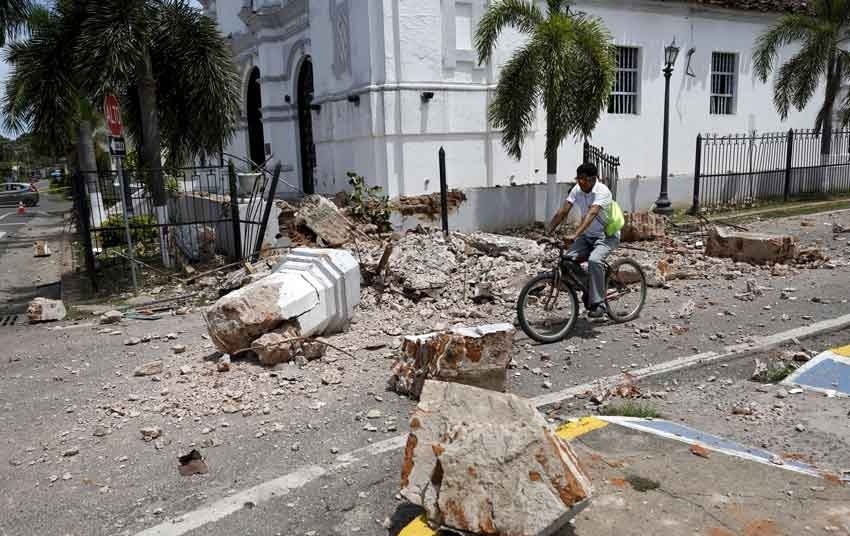
In the picturesque town of La Villa de Los Santos, in central Panama, residents are facing with pain and sensitivity the destruction that the 7.7 magnitude earthquake that occurred the day before has left in their historical heritage and other buildings. Despite the cordoned-off area, residents enter the central plaza. They are incredulous at the destruction wrought in seconds by the powerful earthquake, as they gather debris from what they consider a fundamental part of Panama’s history.
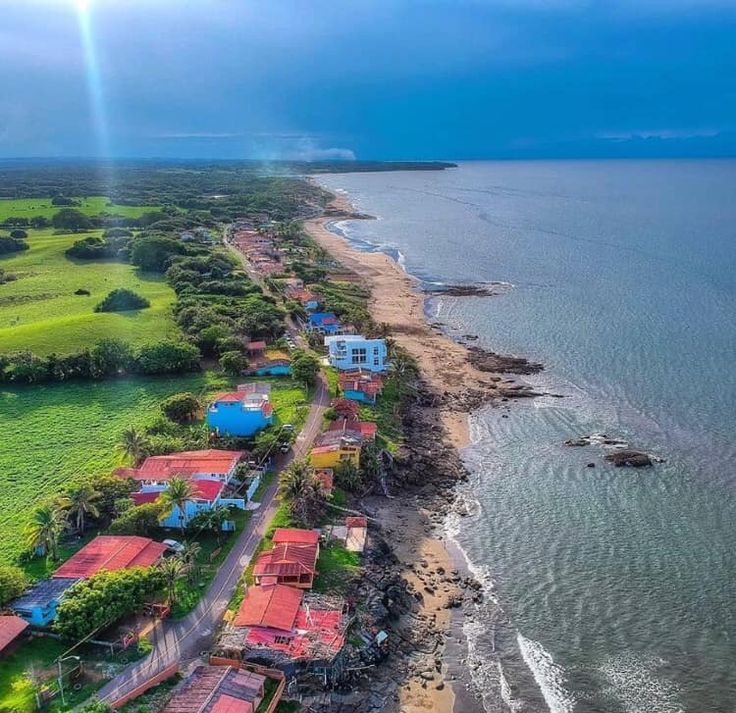
The town of Los Santos, founded in 1569, occupies a central place in Panamanian history for having been the scene of the First Cry of Independence from Spain, on November 10, 1821. That feat gave it a lasting symbolic value and consolidated it as the cradle of Panamanian nationality in historical memory.
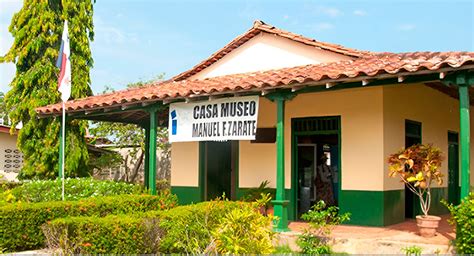
This historic town, like others in the affected area, maintains an urban planning typical of the Spanish colonial era: a main square presided over by a church, surrounded by municipal headquarters and a kiosk in the middle bathed in white.
Collapse at the Church of Saint Athanasius.
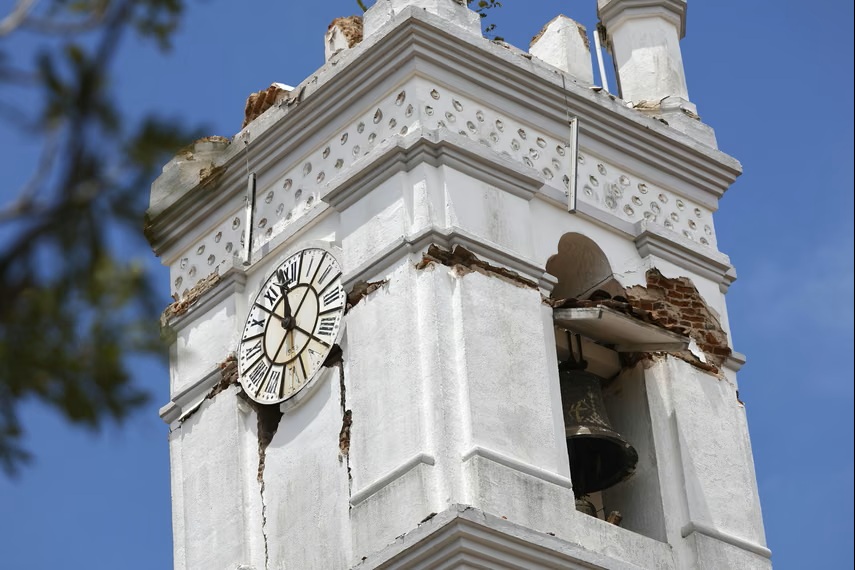
The Church of St. Athanasius however, is inaccessible because cracks run down all its walls and the top level of the bell tower has collapsed. It tumbled down onto the street when the earth shook violently. “It was a very sad moment because the church is a symbol. We love this temple very much for what it represents sentimentally,” Manuel Moreno Arosemena, historian, resident and native of La Villa de Los Santos, told news media. Moreno can’t hold back his tears as he recalls what happened around 12:56 pm last Friday. He works in one of the buildings on the plaza and, when the earthquake struck, he ran out into the street, witnessing the moment the church tower collapsed. For Moreno and the other residents, the church is a national symbol. So much so that the locals decided to safeguard the two bells in the rectory. Meanwhile, a small group gathers the gleaming shells that once adorned the tower walls, knowing that they will one day re-embed them.
Wattle and Daub Houses and Destroyed Heritage.
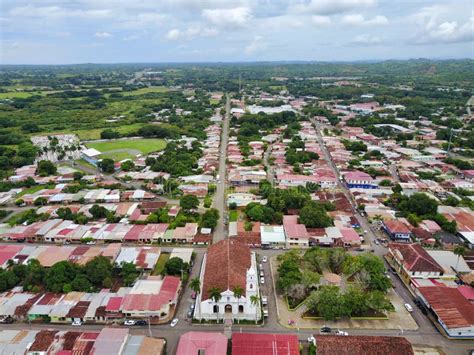
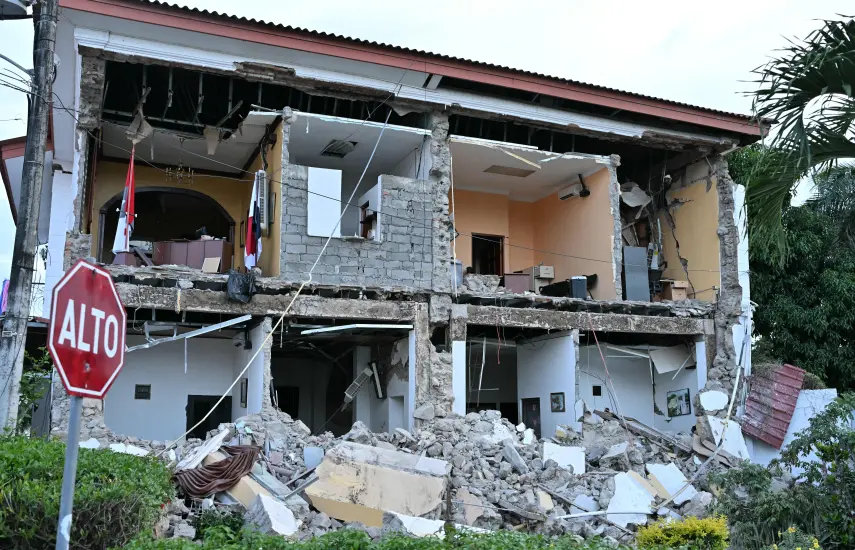
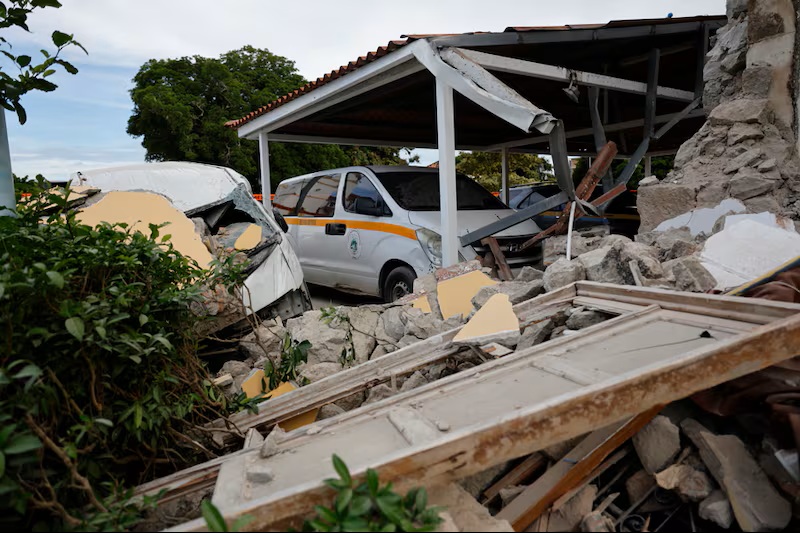
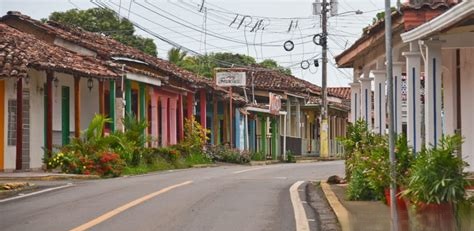
The rest of the streets of La Villa de Los Santos reflect the same landscape: dilapidated houses, collapsed roofs, and crumbling facades. Its main thoroughfares, considered a national historical landmark since the mid-20th century, are lined with wattle and daub houses, characterized by red tiles blackened by dampness and a small front porch. Now, the narrow lanes are blocked by broken tiles, making them impassable.
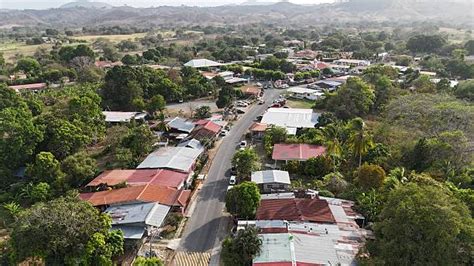
On one of them is 70-year-old Alberto Lara, born and raised in the village. Lying in his doorway, he cannot go any further and does not want to leave: his century-old house has the roof destroyed. “I had never felt anything like that. It was so strong. The little house collapsed,” Lara laments as he recalls the tremor.
Official Assessment and Devastation in the Province of Los Santos.
According to the first official report, there are no fatalities in the country and about thirty minor injuries have been reported, in addition to more than 400 damaged buildings. In the province of Los Santos, to which this town and Tonosí, a town near the epicenter, belong, the following were reported: 6 minor injuries, about 300 people evacuated in coastal areas due to rising sea levels, as well as 4 residences, 5 hotels and 4 hospitals affected with 22 educational centers and 2 churches with structural damage.
Over a hundred aftershocks were recorded overnight; keeping residents camped in parks and streets, while authorities distributed humanitarian aid and worked to restore power. In La Villa de Los Santos, residents are already organizing efforts to repair the church using their own funds.
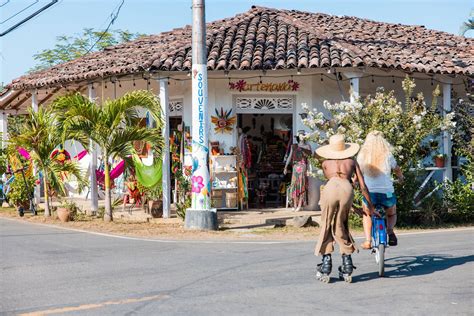
Wattle and Daub is a building method where woven wooden lattice panels (wattle) are covered with a sticky earth mix (daub) made from materials like clay, sand, and straw. Houses built this way are found in many regions worldwide and have been used for thousands of years, including in Panama, Europe, North America (Mississippian culture), and Africa (such as among the Ashanti).
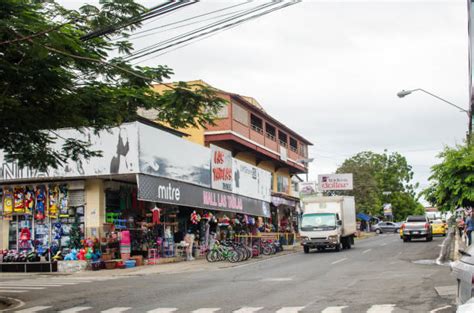
Very close to the city of Chitré lies the small town of La Villa, gateway to the province of Los Santos. In the heroic Villa de Los Santos, the First Cry of Independence took place in 1821, when Panama declared its independence from Spain. One of its most iconic landmarks is the Church of San Atanasio, founded in 1569. Here, every year, locals and visitors gather to celebrate Corpus Christi, a festival of religious and folkloric origin that, among many other traditions, reenacts the battle between the Archangel Saint Michael and the Devil, the struggle of good against evil.
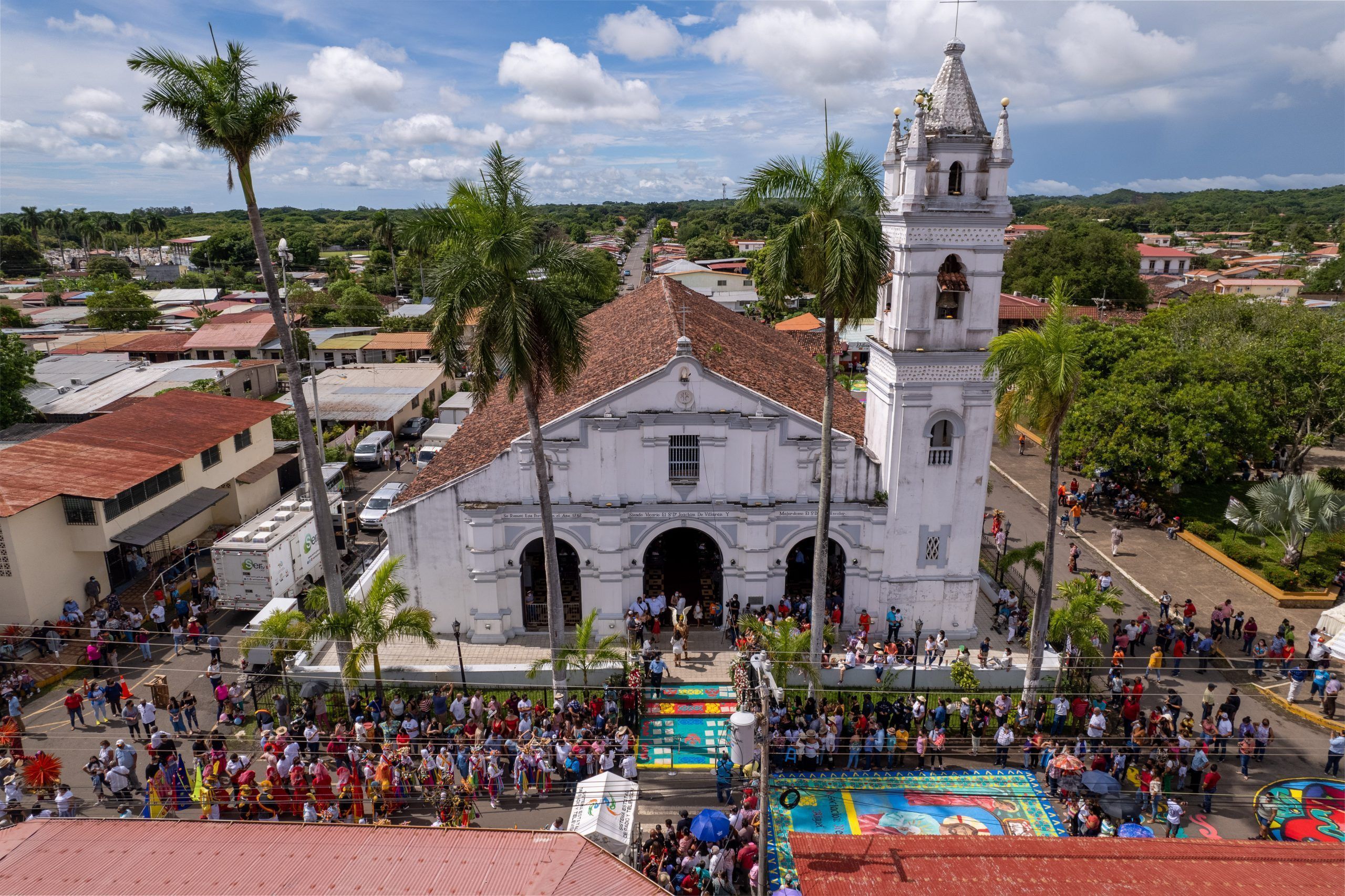
The church in better days pictured above. Between the sacred and the cultural aspects of Corpus Christi in La Villa de Los Santos, which traces its origins to the colonial era, a vibrant folkloric legacy remains. This is partly thanks to the work of the Miguel Leguízamo Dance Rescue Association, made up of a group of locals who have dedicated themselves to keeping the tradition alive. Speaking of the origins of Corpus Christi in Panama, there is very little evidence of when this celebration actually arrived in the isthmus, but in the parish archives of the Santo Atanasio church in La Villa de Los Santos, some documents from 1773 were found that demonstrate that Corpus Christi was already being celebrated in La Villa at that time.