Ship Noise in Panama Reduces Probability of Recording Humpback Whale Songs by up to 45%.
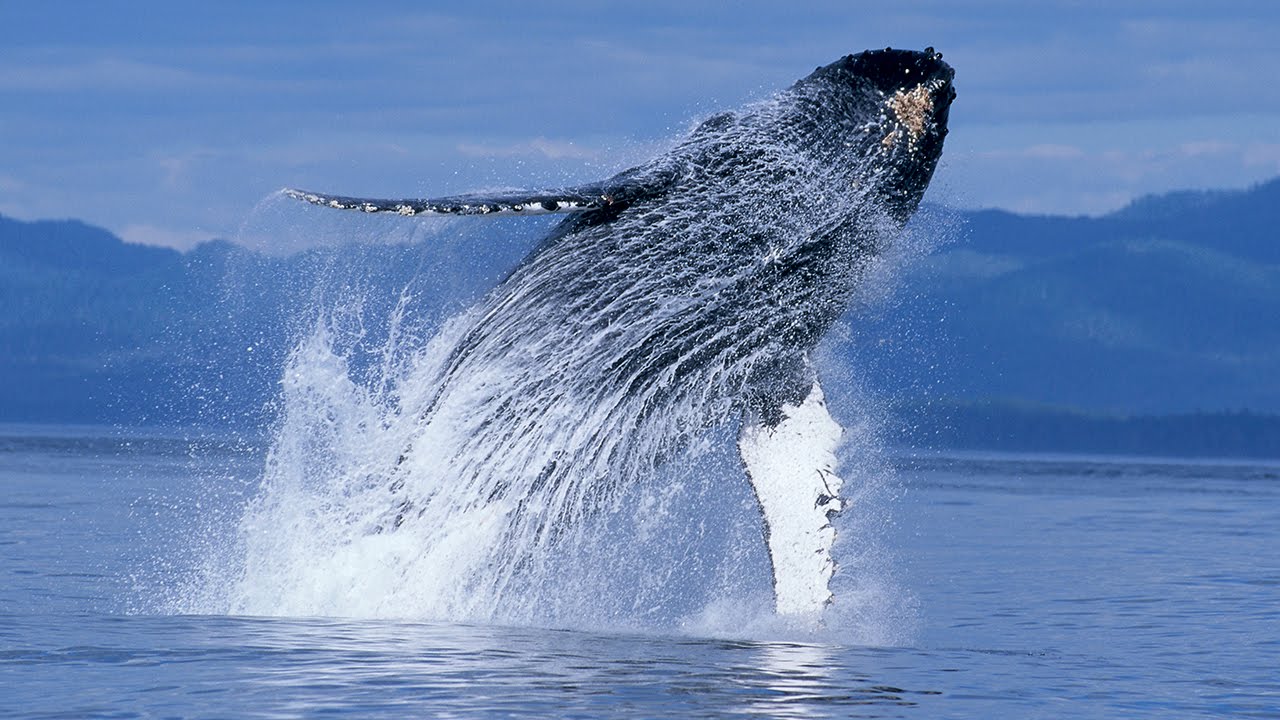
What is at stake off the Panamanian Pacific coast: One of the richest concentrations of marine life on the continent in an increasingly noisy sea.
Since May 2025, seven hydrophones — highly sensitive underwater microphones — have been recording the sea day and night in seven locations in the Pearl Islands Archipelago, from Chiriquí to the province of Panama, to find out if a boat engine can literally silence a whale.
The study of the acoustic landscape of cetacean habitat and anthropogenic impacts in the Panamanian Pacific is a pilot program within a much larger initiative called Sustainable Pacific . This initiative brings together seven countries—Mexico, Guatemala, Honduras, Costa Rica, Panama, Colombia, and Ecuador—under the umbrella of the Global Environment Facility (GEF), with the United Nations Development Programme (UNDP) as the implementing agency and the World Wide Fund for Nature (WWF) as the executing agency.
In Panama, the fieldwork is carried out by the MarViva Foundation and the Panacetacea Foundation, with the support of the Ministry of Environment (MiAmbiente).
The seven installed systems are underwater recorders anchored at an average depth of 18.3 meters on seven islands in the Gulf of Panama: Boná, Contadora, Iguana, Cébaco, Contreras, Ladrones, and Paridas. Each one records 25 minutes of sound per hour, day and night, with a resolution of 64,000 sound measurements per second (64 kHz).
The analysis, so far, is mostly visual: researchers turn each recording into a spectrogram — a representation of the sound frequency over time— to distinguish four distinct types of sounds : fish choruses, dolphin clicks, humpback whale songs, and the noise of boat engines.
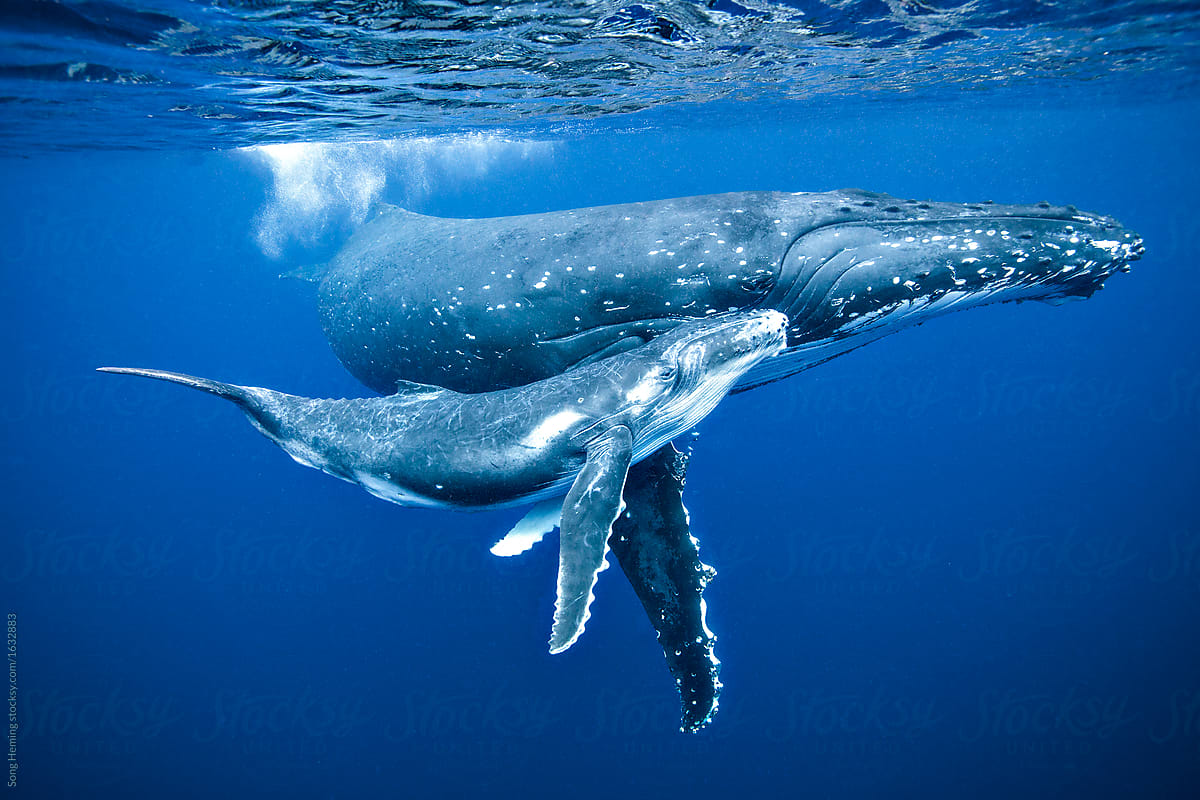
Hydrophones have captured more than 56,000 audio files —the equivalent of over 1.4 million minutes of underwater sound—of which only about 17% have been analyzed so far. That small amount is enough to reach an uncomfortable conclusion: boat noise reduces the likelihood of recording humpback whale songs by 40% to 45% . In other words, when a boat passes near the whales, they simply stop singing, or their songs become inaudible, a phenomenon known as masking.
“Masking is simply high-intensity sounds that override the sounds different species use to communicate,” explains Betsy Pérez Ortega, researcher and president of the Panacetacea Foundation, who coordinates the project’s scientific work. “If the noise is too intense, it can diminish these species’ ability to communicate, to find a place to settle (in the case of fish), or to find each other or navigate.”
Sound is to a whale what sight is to humans: it is their primary means of orientation, finding each other, and mating in an ocean where visibility rarely exceeds a few meters. Scientific studies have measured that the social communication range of the humpback whale in shallow waters is around four kilometers, and that its song, traveling through the deep ocean, can be detected at much greater distances under certain conditions.
Read more on Mongabay.