Adult Green Turtles Found on Coiba During Monitoring Efforts
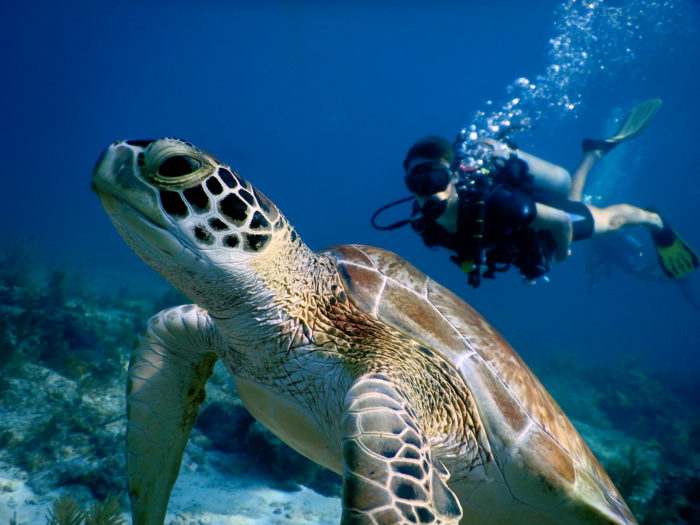
The waters of Coiba National Park are used by adult green turtles (Chelonia mydas) as a feeding and roosting area, according to the first results of a monitoring program initiated in June 2025 by the Ministry of Environment (MiAmbiente), with the support of the Ecological Trust of Panama (Fideco).
The recorded specimens have an average curved shell length of 73.9 centimeters and about 60% exceed 75 centimeters.
These dimensions are consistent with adult individuals and are close to those recorded in nesting females in Coiba National Park. The average weight was 46.7 kilograms, although some specimens reached 71 kilograms.
The predominance of adults is significant because juvenile turtles are typically more prevalent in other feeding areas of the Eastern Tropical Pacific. The results obtained on Coiba provide evidence of the archipelago’s role in the life cycle of this species.
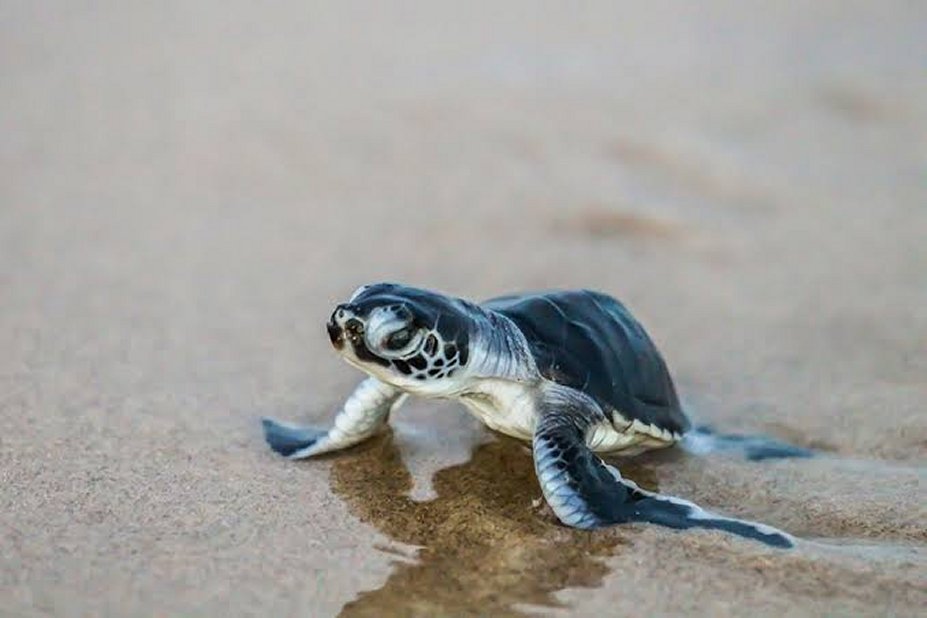
Adult sea turtles reflect the health and balance of marine ecosystems.
Monitoring is conducted through night diving at five sites: Playa Blanca, Isla Cocos, Granito de Oro, Gambute Bay, and Ranchería Island. The turtles are measured, weighed, and tagged with metal plates before being released at the same location where they were captured.
In addition, the body condition of the specimens was assessed using a specialized index. The results show a favorable physical condition, and no individuals were recorded with values associated with significantly low weight, which is consistent with suitable environmental conditions for the presence of adult green sea turtles in the area.
The monitoring also identified a wide variety of shell coloration patterns, from amber, orange and chestnut tones to darker specimens, ranging from olive to gray, with varying degrees of mottling.
According to Wilfredo Poveda, scientific coordinator of Coiba National Park, this diversity could indicate the presence of turtles from different areas of the Eastern Tropical Pacific and opens new research opportunities on the connectivity of the species.