El Niño From Panama to Costa Rica: How it will Affect Central America Between 2026 and 2027
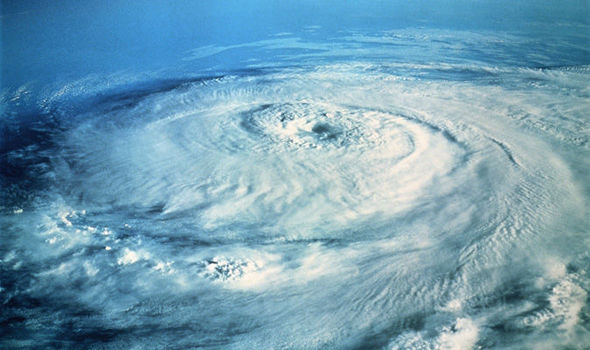
Although the El Niño phenomenon is expected to intensify in the fourth quarter of 2026, the pressure on costs and Central American economies will increase especially in 2027, according to a newly published report by Deloitte Econosignal.
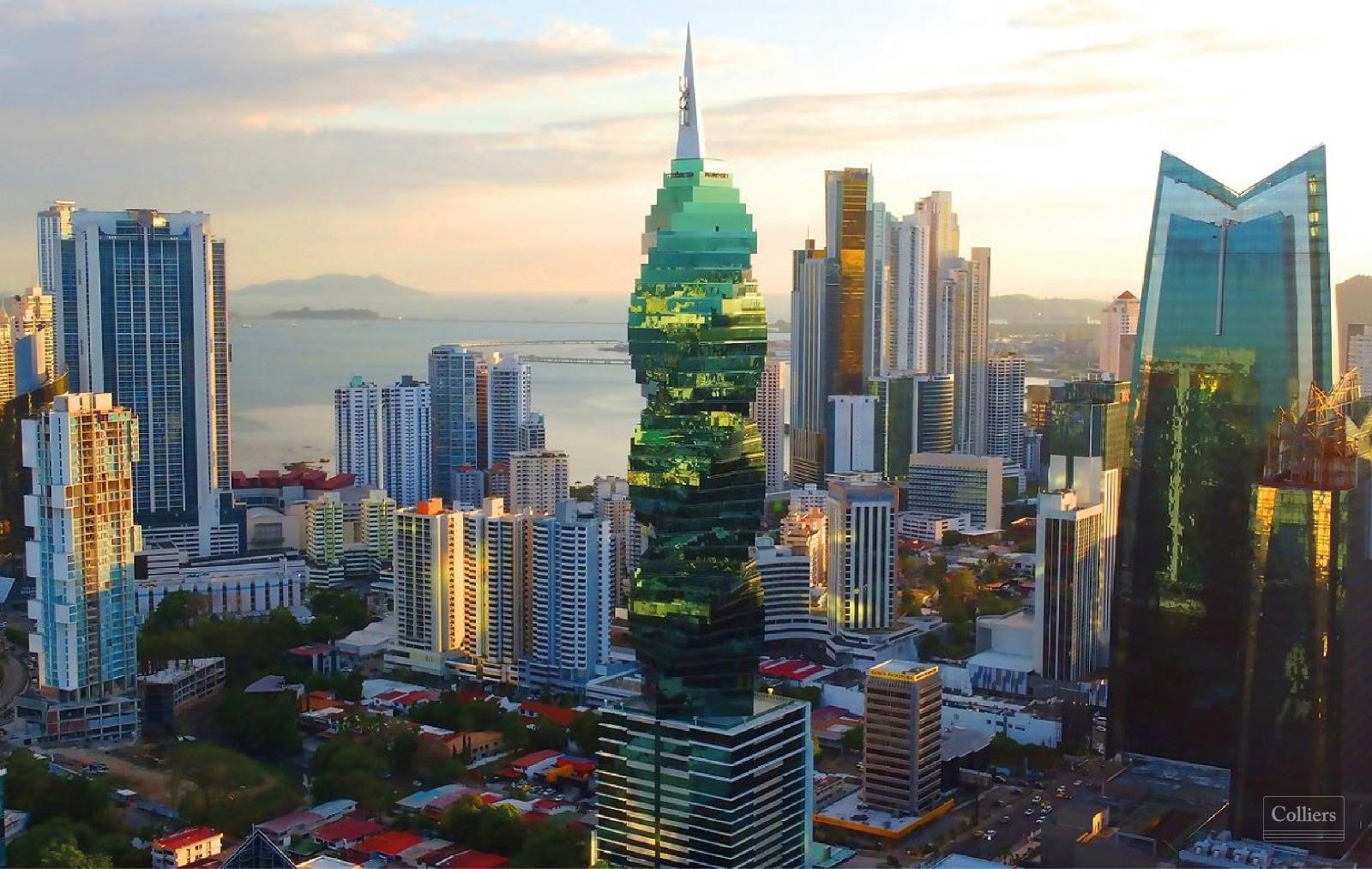
El Niño would have a delayed impact on energy, food, and logistics in the region. And one of the assets that could be affected is the Panama Canal, through which approximately 5% of global maritime trade passes.
If water levels in the lakes that supply the Panama Canal decrease due to El Niño-related droughts, some ships may have to carry less cargo or face restrictions on crossing.
“This can disrupt delivery times and increase transportation costs for companies that buy or sell products via this route, even if they operate in other countries,” explains Deloitte Econosignal.
It could even encourage the use of alternative routes, according to the report.
The canal represents a significant source of revenue for Panama: the study anticipates revenues of US$5.2 billion to US$5.7 billion for fiscal year 2026.
Deloitte warns that the impact of El Niño in Central America would not be uniform, but that the risk will vary depending on each country, according to its productive structure, dependence on hydroelectric generation and agricultural exposure.
“The main economic risk of El Niño for the region lies not only in the lack of rain, but also in how it can translate into increased production, transportation, and supply costs. There is still a window of opportunity to prepare in 2026, but our analysis identifies that a significant portion of these pressures could become more apparent during 2027,” said Daniel González, Head of Economic Analysis for Central America at Deloitte Spanish Latin America.