The Law Exempting ITBI on the Purchase of New Homes in Panama Up to $120,000 was Approved by the Executive Branch.
The measure eliminates the 2% tax on the first $120,000 of the taxable base and establishes tiered rates for new homes up to $200,000.
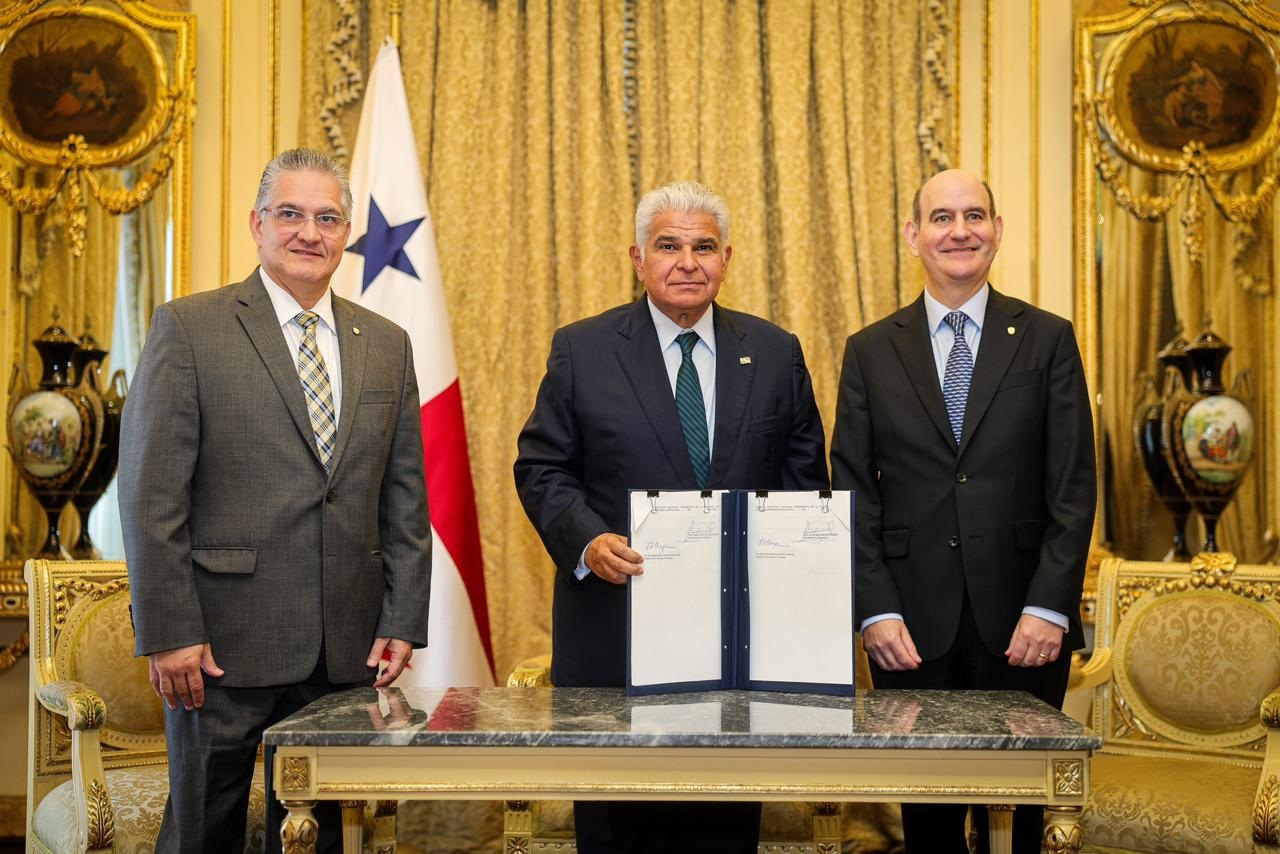
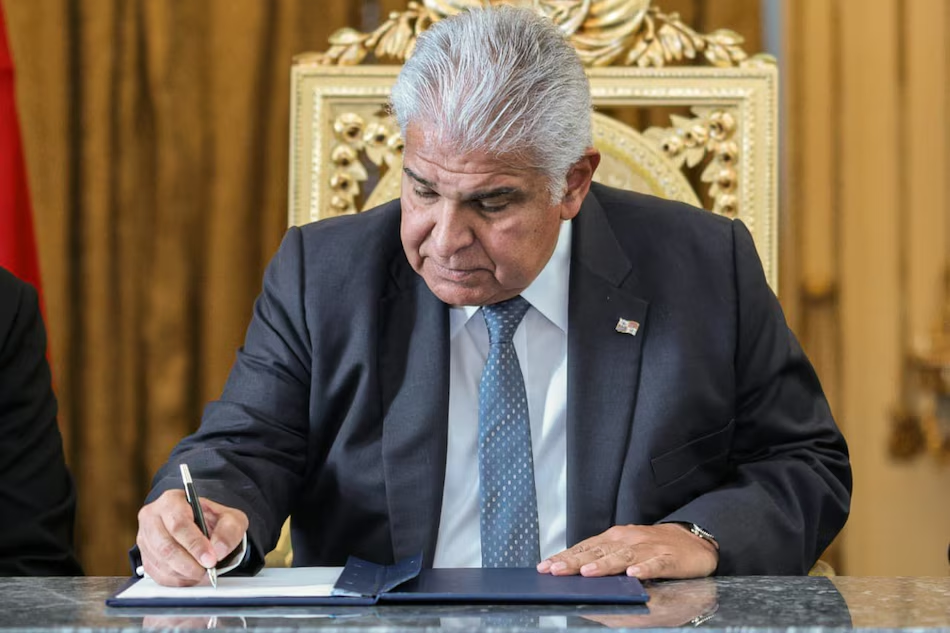
The law exempting the Real Estate Transfer Tax (ITBI) on the first sale of new homes up to $120,000 has been officially sanctioned by the Executive Branch. President José Raúl Mulino signed Bill No. 661 into law, following its passage with 53 votes in favor by the National Assembly. This measure reverses a previous removal of the exemption and aims to stimulate Panama’s construction sector while improving housing affordability.
Key Details of the ITBI Reform.
The new tax framework modifies Panama’s property transfer rules to ease the financial burden on the housing market:
- 100% Tax Exemption: The standard 2% ITBI is reduced to 0% for the first $120,000 of a newly constructed residential property’s value.
- Sliding Scale for Higher-Value Homes: For homes priced between $120,001 and $200,000, the first $120,000 remains entirely tax-exempt. A progressive scale is applied only to the excess value (starting at 0.50% up to $130,000 and topping out at 1.80% up to $200,000).
- Time Limitations: To qualify for the tax relief, the purchase and transfer must be formalized within 30 months from the issuance of the occupancy permit.
- New Construction Only: The law strictly applies to the first sale of newly built homes directly from a developer. Standard resale properties do not benefit from this reform.
Who Bears the Tax?
Legally, the ITBI is payable by the seller or real estate developer, not the buyer. However, the law specifically blocks contracts from shifting this transfer tax directly onto the buyer. Buyers benefit indirectly because the removal of this cost lowers overall transaction friction, preventing developers from baking the 2% tax into the home’s final purchase price and making it easier for buyers to qualify for bank mortgages.
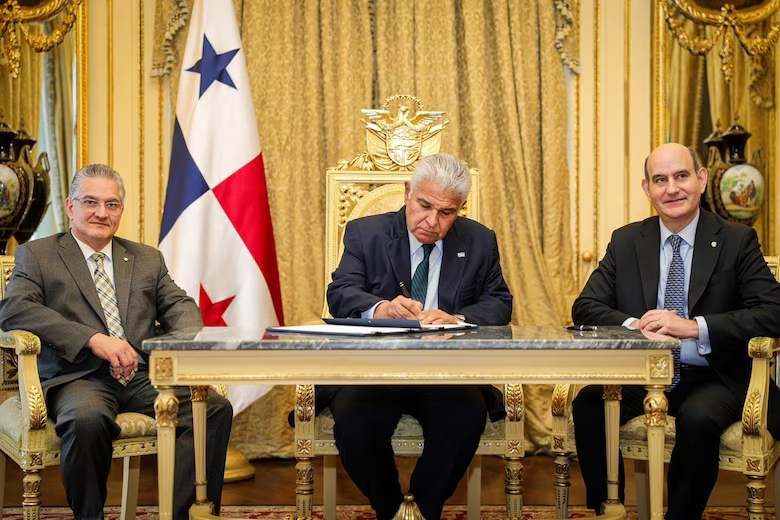
President José Raúl Mulino sanctioned Law 546 of August 31, 2026, which exempts the Real Estate Transfer Tax (ITBI) for the first new home up to $120,000. The new regulation modifies article 4 of Law 106 of 1974 and establishes that the purchase and sale of new homes may be exempt from the ITBI on the first $120,000, provided that the purchase and sale is formalized within two years following the issuance of the corresponding occupancy permit. The measure was sanctioned in the presence of the Minister of Economy and Finance, Felipe Chapman, and the Minister of the Presidency, Juan Carlos Orillac. According to Chapman, the modification seeks to facilitate homeownership for middle-income families by eliminating this tax as part of the initial costs associated with the purchase.
ITBI will have Tiered Rates for Homes up to $200,000
The benefit is not limited to homes valued at $120,000 or less. For transactions exceeding that amount but not exceeding $200,000, the tax will be calculated only on the portion exceeding $120,000, applying progressive rates. The established rates are: Thus, a new home that falls within the $120,000 limit will not pay ITBI on that basis, while in higher value properties the tax will only fall on the amount that exceeds the established threshold.
It Also Includes Homes with Previous Occupancy Permits.
The law also includes a transitional provision for the first sales transactions of new homes that are formalized after its entry into force. These may qualify for the benefit even if the occupancy permit was issued before the new regulation came into effect, provided that the transaction is formalized within 30 months of the date of issuance of the occupancy permit and the other conditions established in the legislation are met. However, sales that were formalized before the entry into force of Law 546 will be governed by the provisions that were in force at the time the operation was carried out.
Key aspects of Law 546:
- Total exemption: The first $120,000.00 of the value of the new property are exempt from ITBI payment.
- Validity: Applies to sales formalized within the following two years (or up to 30 months in transition) after the occupancy permit.
- Tiered rates for excesses (up to $200,000): Progressive percentages are applied to the amount that exceeds the exempt base.
The regulation seeks to revive the residential market after the expiration of previous extensions and has the support of trade associations such as Capac and Acobir.