A Genetic Purity that Sustains its Value of up to $30,000 Per Kilo is Panamanian Geisha Coffee.
The quality and exclusivity of Geisha coffee have led Panama to set some of the highest prices in the world at coffee auctions.


Panamanian Geisha coffee retains 100% of its genetic purity with respect to its ancestral plants from Ethiopia, according to two studies presented by the Specialty Coffee Association of Panama (SCAP). The analyses also identified sensory characteristics that distinguish the Panamanian Geisha, including its marked floral notes of jasmine and white flower, attributes highly valued in the international specialty coffee market.
Studies Confirm the Genetics of the Panamanian Geisha.
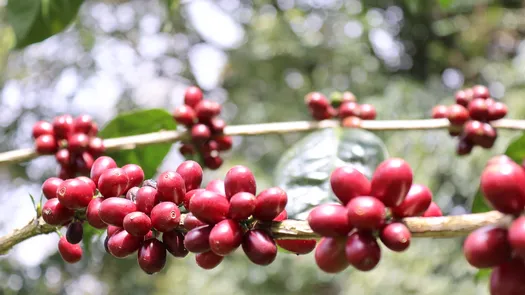
One of the studies, conducted in France, compared samples of Geisha coffee grown in Panama with ancestral plants preserved at the Tropical Agricultural Research and Higher Education Center (Catie) in Costa Rica. The analysis determined that both genetic lines are the same, confirming that Panamanian producers have managed to preserve the original genetics of this variety.

“What we did was compare the Panamanian geisha with the original geisha. It turns out that the genetics are exactly the same,” explained Christophe Montagnon, director of the study.
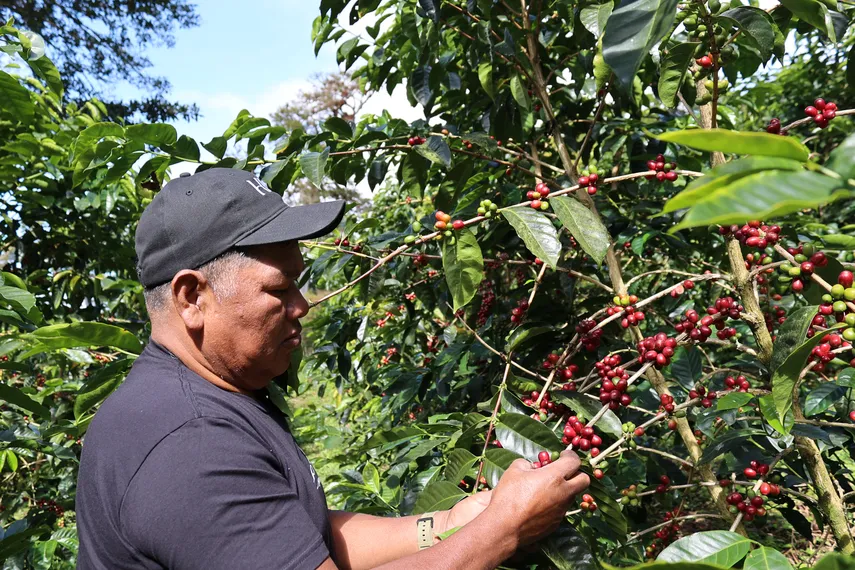
Jasmine and White Flowers, the Keys to its Flavor.
A second investigation analyzed the sensory characteristics of the Panamanian geisha and found a marked presence of aromas associated with jasmine and white flowers. These attributes contribute to the high value that international consumers and buyers place on this variety, especially in specialty coffee markets.
Panamanian Geisha Exceeds $30,000 Per Kilo.
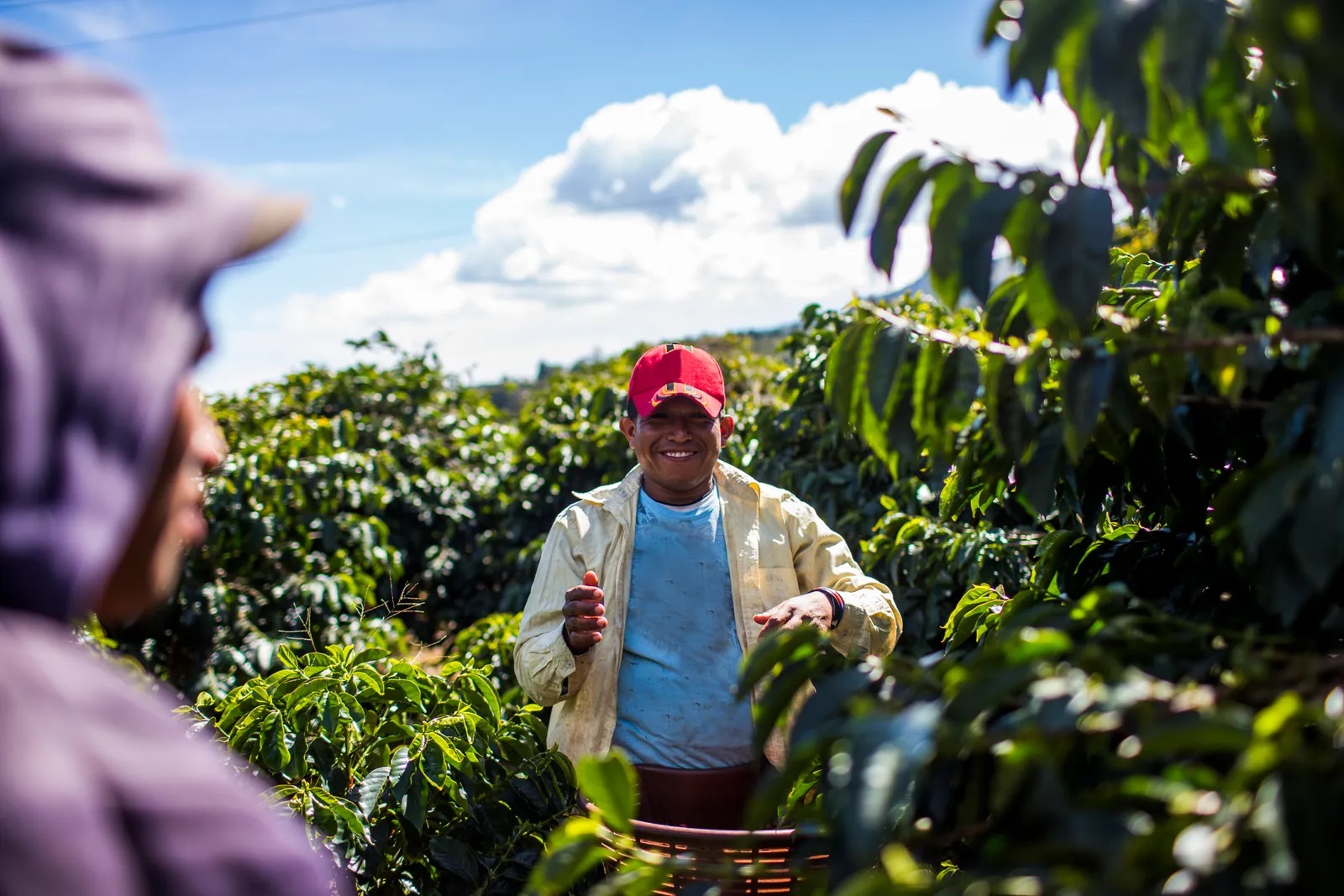
The quality and exclusivity of Geisha coffee have led Panama to set some of the highest prices in the world at coffee auctions. One of the lots mentioned in the studies exceeded $30,000 per kilogram, reflecting international demand for coffees with exceptional sensory profiles. The Geisha variety is primarily cultivated in Boquete, Chiriquí, where the altitude, volcanic soils, rainfall, and climatic conditions favor the development of its characteristics.
SCAP Seeks to Protect the Purity of the Geisha.
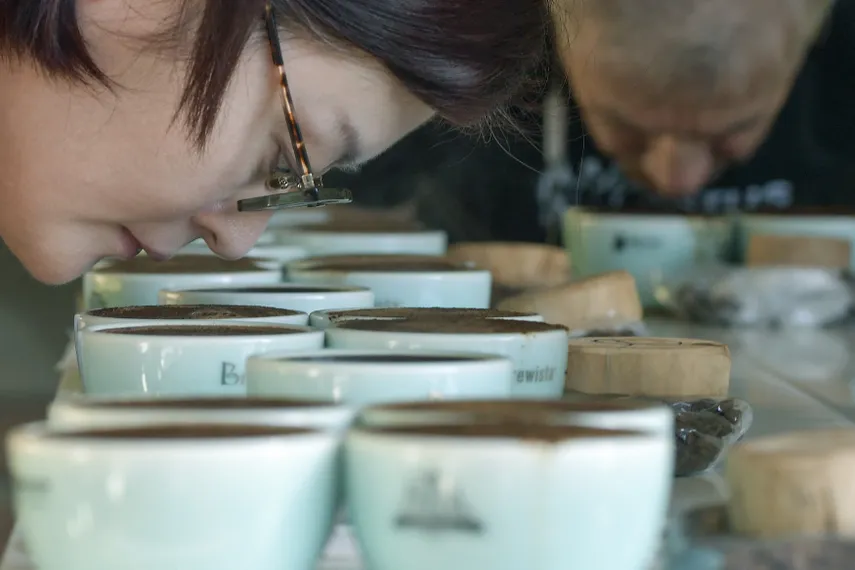
Despite the positive results, specialists warn about the risk of cross-pollination, which could alter the genetic characteristics of the plants over time. Therefore, SCAP is also working on an exclusive flavor wheel for Geisha coffee, which will allow the establishment of parameters to evaluate and certify its attributes in competitions, tastings and international markets. The goal is to protect the authenticity of a variety that has become one of Panama’s most prestigious and internationally valuable agricultural products.