Mizrachi Takes Aim at the Law that Gives Chapala its Business. License Plates in Panama Tied Up!
The vehicle license plate debacle has brought an old debate back to the forefront: why can’t municipalities find another provider when the one with exclusivity can’t keep up with demand?
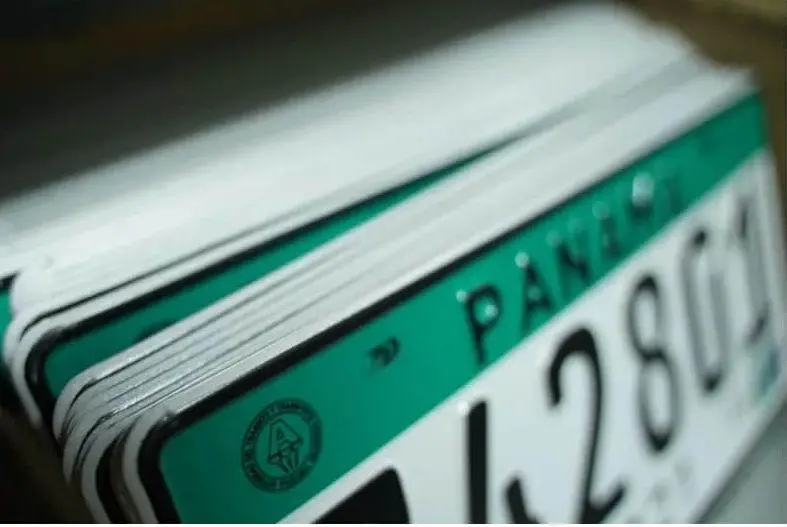
Panama City Mayor Mayer Mizrachi believes the solution lies in changing the rules. During a visit to the License Plate Center, where he spoke with taxpayers affected by the backlog of orders, he proposed reforming the legislation that centralizes license plate production in the country. The problem became evident with the delay in the delivery of the license plates. According to the mayor, the License Plate Center had to deliver eight months’ worth of backlog in just one month, which caused a surge in demand and long lines. “These problems will continue to occur, since the municipalities cannot contract for their own license plates,” Mizrachi warned.
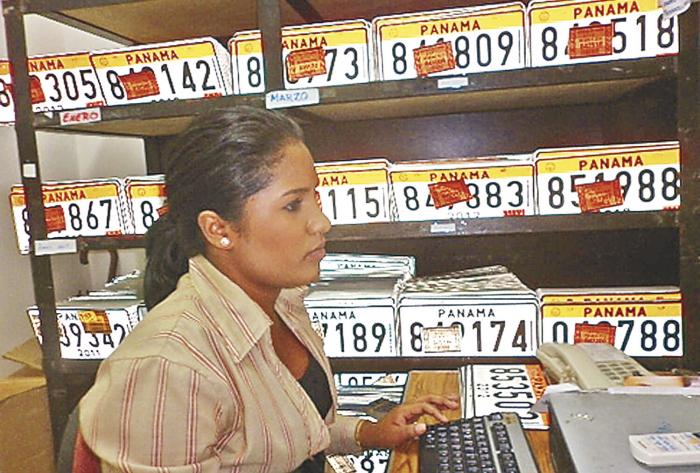
The Bottleneck is in Manufacturing.
The mayor pointed out that the ATTT maintains responsibility for the specifications and regulation of the license plates, while the Chapala Vocational Center has the legal exclusivity for their manufacture and sale nationwide. Law 15 of 1995 establishes the powers of the transit authority regarding vehicle identification. In turn, Law 71 of 2015 modified the legal framework of Chapala and established the center’s exclusive right to produce and sell license plates and vehicle inspection stickers.
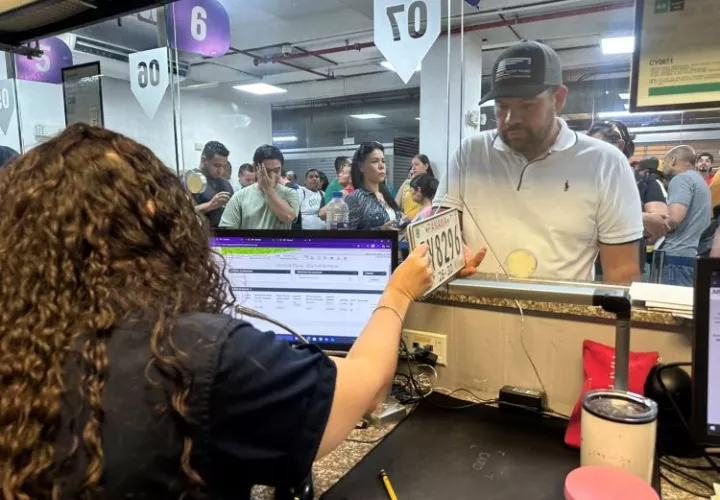
In fact, last March the ATTT oversaw the delivery of a first batch of 19,940 license plates corresponding to the five-year period 2026-2030 and destined for the Municipality of Panama. For Mizrachi, the problem is not solved simply by increasing staff or improving service at the License Plate Center, because the municipality ends up facing the consequences of a process it does not control. “If we don’t change the rules of the game, this will continue to happen. You can put the best players on the front foot and you’ll still lose the game,” he argued.
Municipality Seeks to Alleviate Pressure.
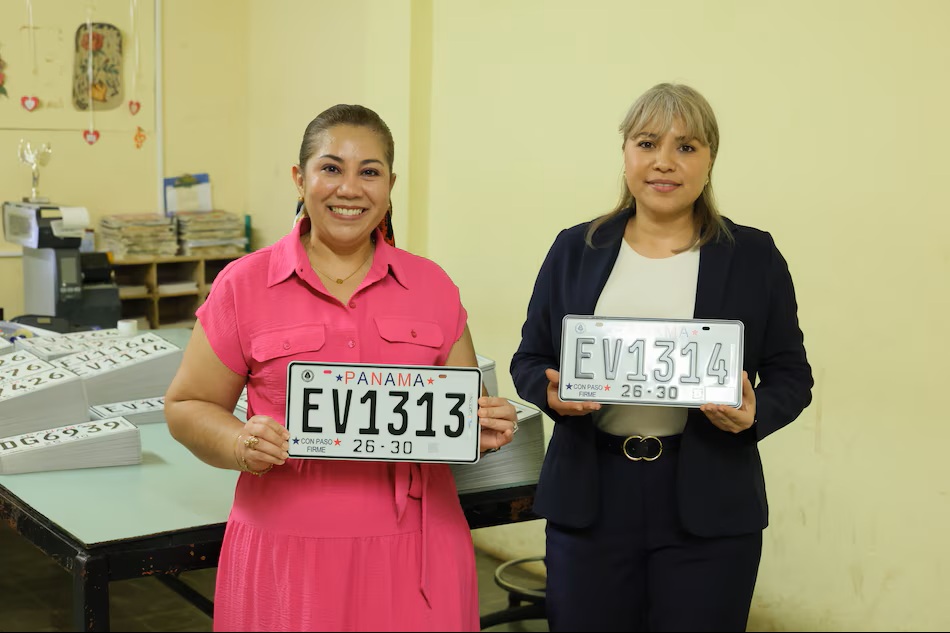
While the underlying problem is being resolved, the Municipality of Panama City has enabled free parking for one hour starting this Thursday for those who visit the License Plate Center at Francisco Arias Paredes Park. In addition, it extended its opening hours this weekend to try to reduce the accumulation of people arriving to collect their license plates. The discussion raised by Mizrachi now points to the National Assembly: modifying the legal framework so that municipalities can have manufacturing alternatives and not depend on a single supplier when delays occur. The plate may be a piece of junk, but the traffic jam it causes isn’t metal: it’s system-related.
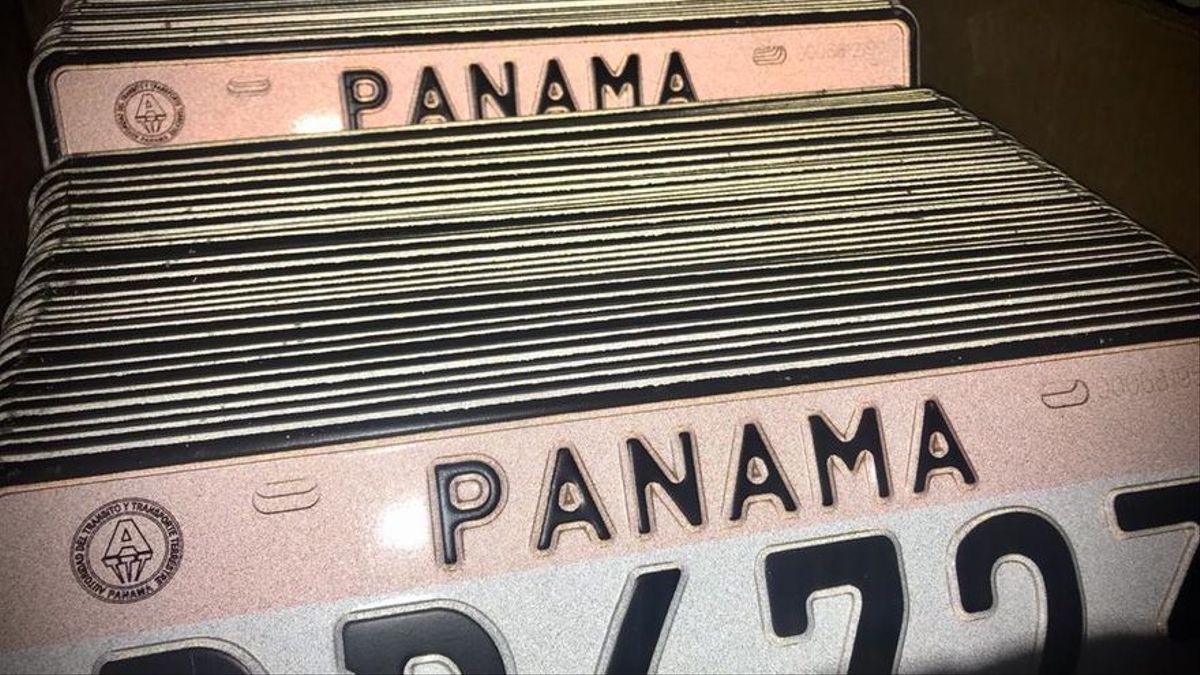
The mayor of the capital city questioned why municipalities should have to bear the burden of delays in the manufacture of license plates and proposed opening the process to other suppliers.