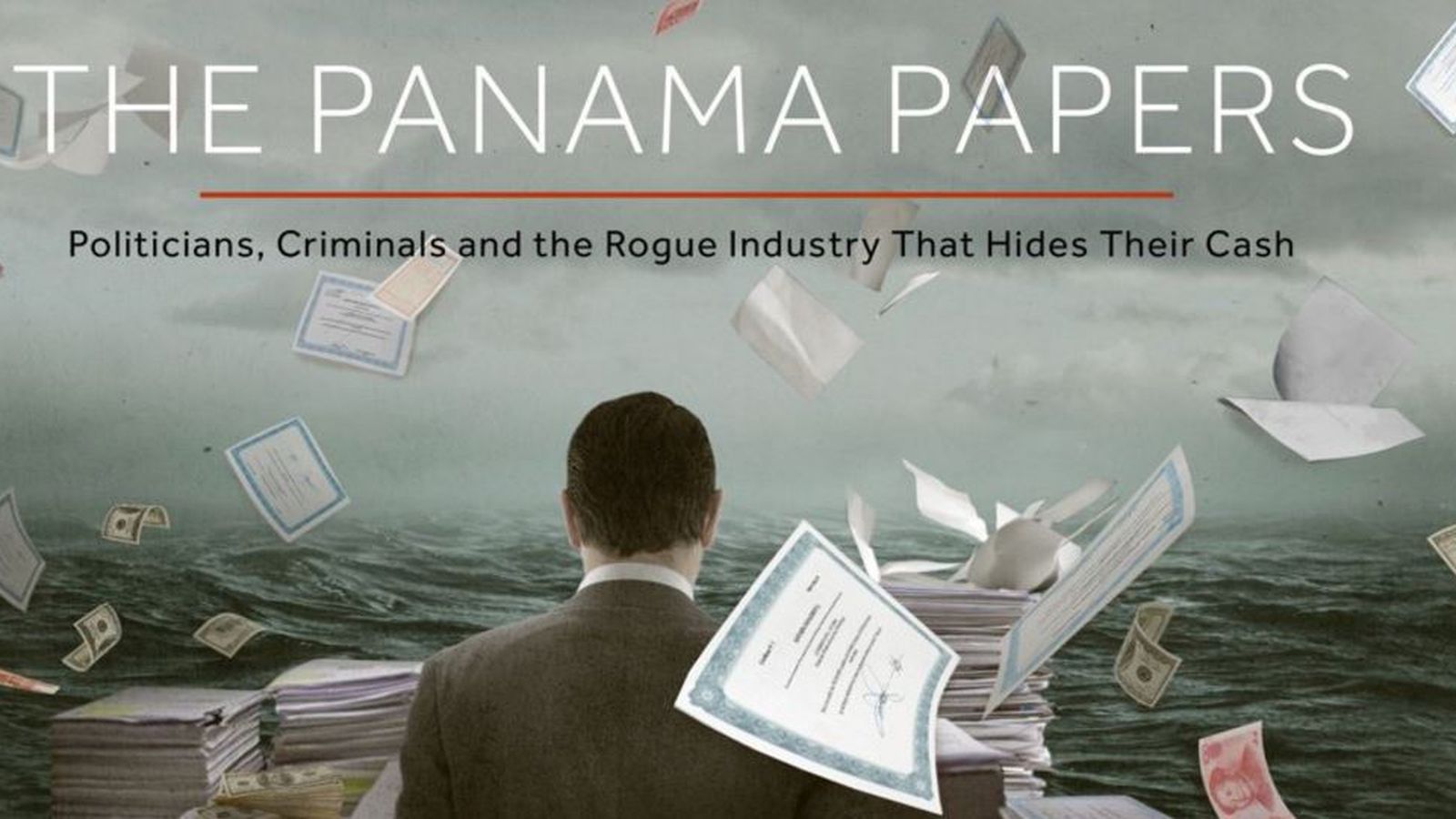
The Closure of the Lava Jato and Panama Papers Cases – Supreme Court Confirms.
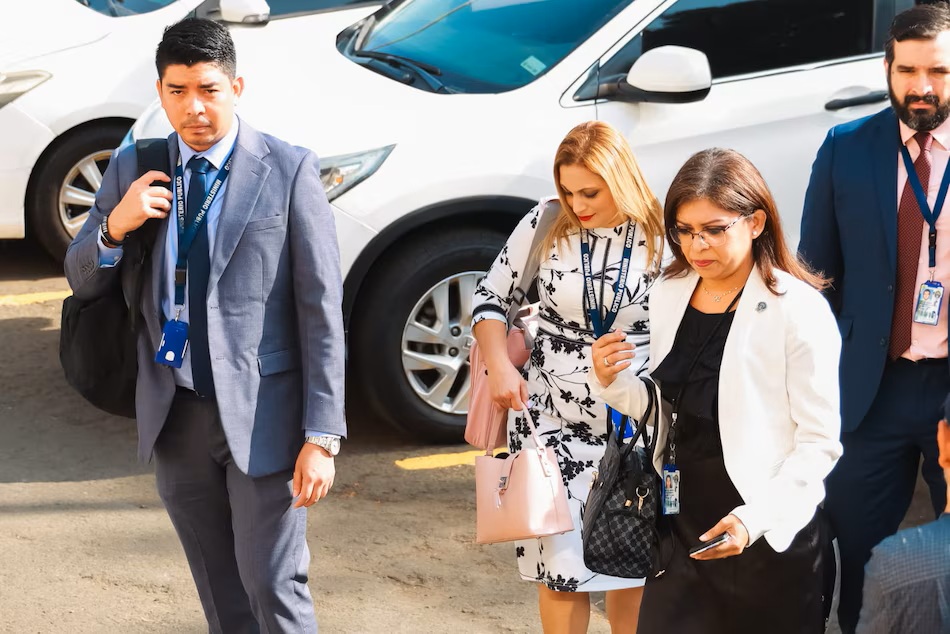
The Superior Court for the Liquidation of Criminal Cases confirmed that the evidence collected by the Public Prosecutor’s Office in the Lava Jato and Panama Papers investigations for alleged money laundering was not sufficient to prove the commission of the crime. In a ruling dated Friday, August 10, magistrates Manuel Mata Avendaño, José Ho Justiniani and Eyda Amarilis Juárez dismissed an appeal filed by the Specialized Prosecutor’s Office against Organized Crime against the first instance ruling.
In a 118-page ruling, the High Court concluded that there were deficiencies in the handling of the chain of custody of the computer evidence obtained during the raid on the headquarters of the now-defunct firm Mossack Fonseca in Marbella. Therefore, the experts from the Institute of Legal Medicine and Forensic Sciences (Imelcf) could not guarantee that all the established rules and procedures for preserving the evidence obtained during the legal proceedings had been followed.
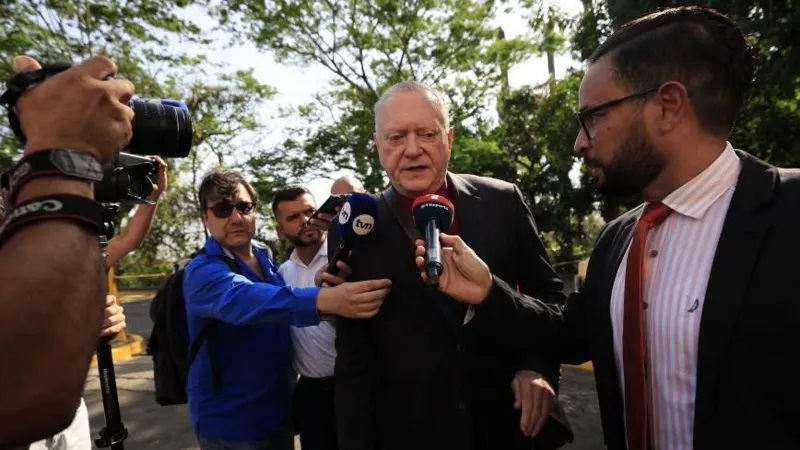
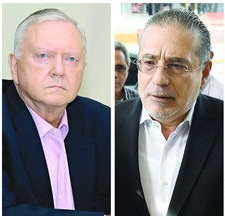
The magistrates noted that it could not be established that the defendants Jurgen Mossak and Ramón Fonseca Mora, both pictured below, were aware that the money received by the law firm came from a corruption crime that occurred in Brazil. The ruling also points out that the statements of the accused María Mercedes Riaño, a lawyer from the Mossack Fonseca office in Brazil, demonstrate a crime related to public administration and not a money laundering activity.
The same applies to the testimony of witness Lurys Madrid, who reached a plea agreement with the prosecution. The judges maintain that Madrid’s testimony is not sufficient to prove money laundering. Furthermore, it could not be demonstrated how Mossack Fonseca’s operations harmed the national economy. Several witnesses testified that the firm had a practice of signing blank documents and omitting due diligence, but the Court considered that this was not sufficient to support the claim of money laundering.
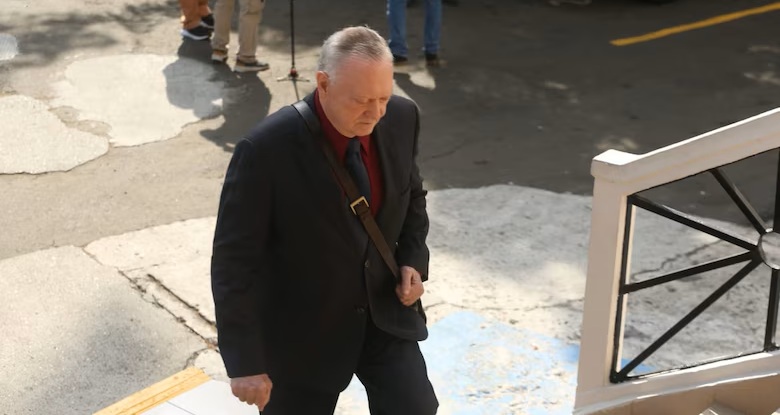
Lawyer Jürgen Mossack, indicted in the Lava Jato and Panama Papers cases.
The ruling acknowledges that the prosecution did prove that Mossack Fonseca traded in corporations and that there was even an entire team dedicated solely to carrying out that task, but – again, that should not be interpreted as a crime nor does it constitute a money laundering scheme. The Lava Jato and Panama Papers investigations began on January 16 and April 5, 2016, respectively, and required legal assistance from Brazil, Switzerland, Colombia, Spain and the United States, among other countries.
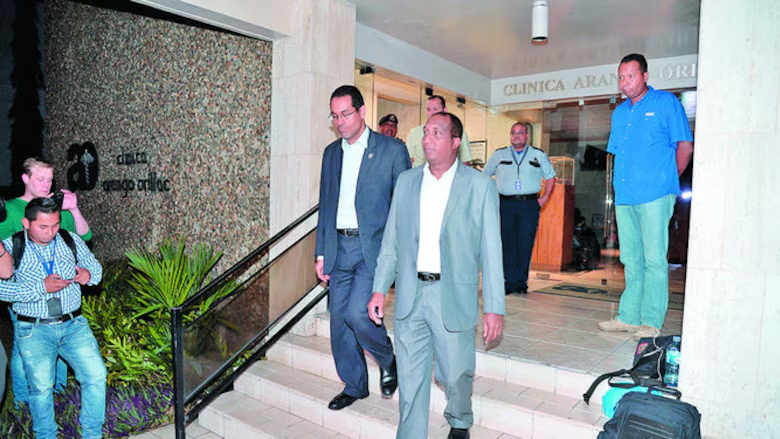
In April 2016, then-prosecutor Javier Caraballo raided the Mossack Fonseca headquarters and seized thousands of documents. Caraballo is now ambassador to Austria.
In July 2024, then-prosecutor Isis Soto filed an appeal against a court ruling that closed both cases. On that occasion, Soto argued that Judge Baloisa Marquínez did not properly assess the evidence, financial activity reports, and legal assistance from various countries that demonstrate the participation of members of the firm in money laundering activities. In her appeal brief, the prosecutor argued that Mossack Fonseca provided services such as the sale and administration of companies and trusts, including the opening of bank accounts, among others, to Brazilian clients who were being investigated for corruption and money laundering as part of Operation Lava Jato.
Mossack and Fonseca plead not guilty in ‘Operation Car Wash’ money laundering trial, Panama City. The founding partner of the now-defunct Mossack Fonseca law firm, Jurgen Mossack, leaves the Second Criminal Court of the Supreme Court of Justice in Panama City, Panama, 26 June 2023.
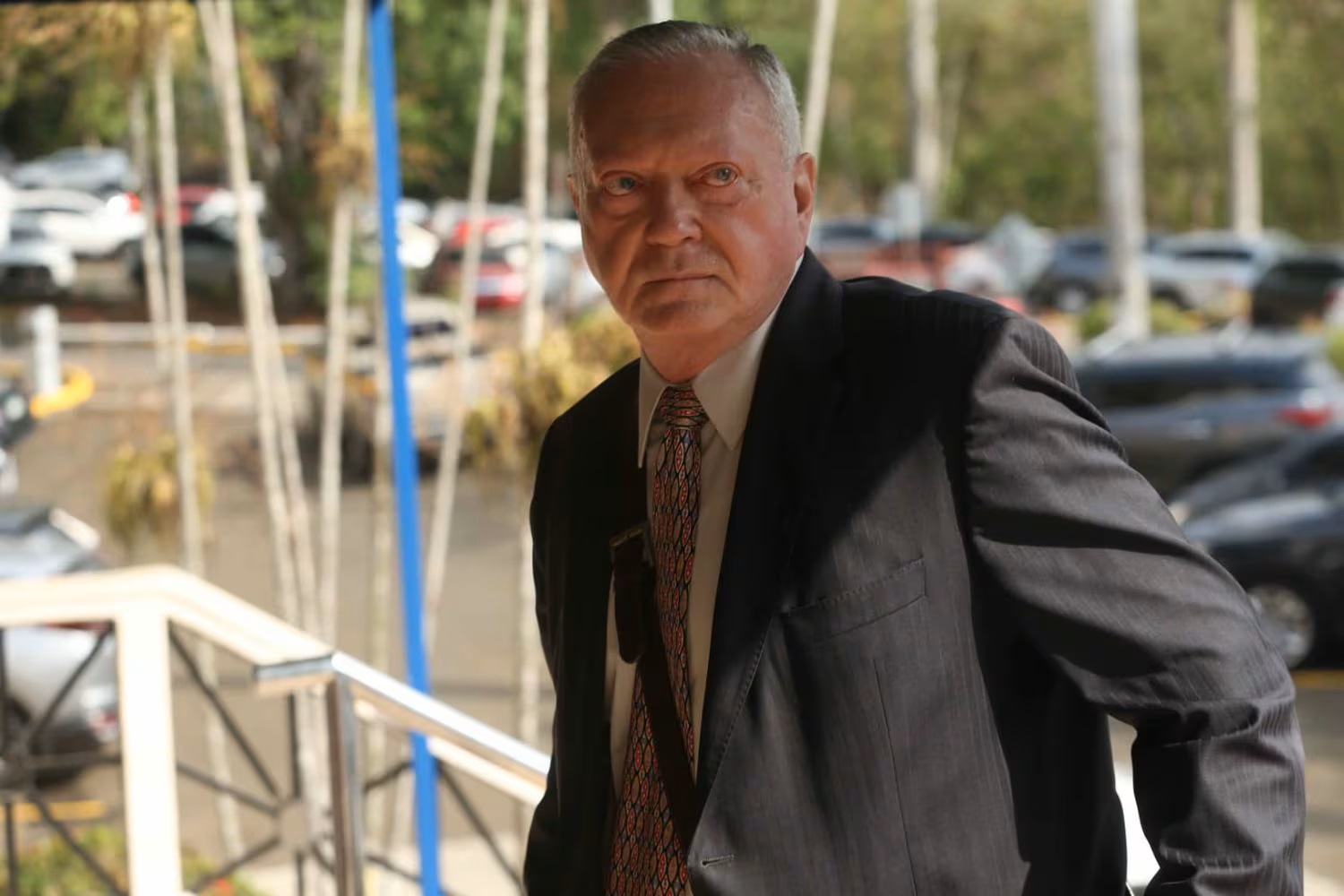
Jurgen Mossack pictured above, and Ramon Fonseca, founding partners of the law firm at the epicenter of the Panama Papers scandal, pleaded not guilty 26 June, to the crime of money laundering at the beginning of the trial for the ‘Operation Car Wash’ (Operacao Lava Jato) case, for which they could face a sentence of at least 5 years in prison.