Panamanian Agriculture is Being Affected: El Niño Paints Three Scenarios
Drought, agricultural oversupply, and a warmer sea reflect the various challenges facing Panamanian agriculture with the arrival of El Niño and rising production costs.
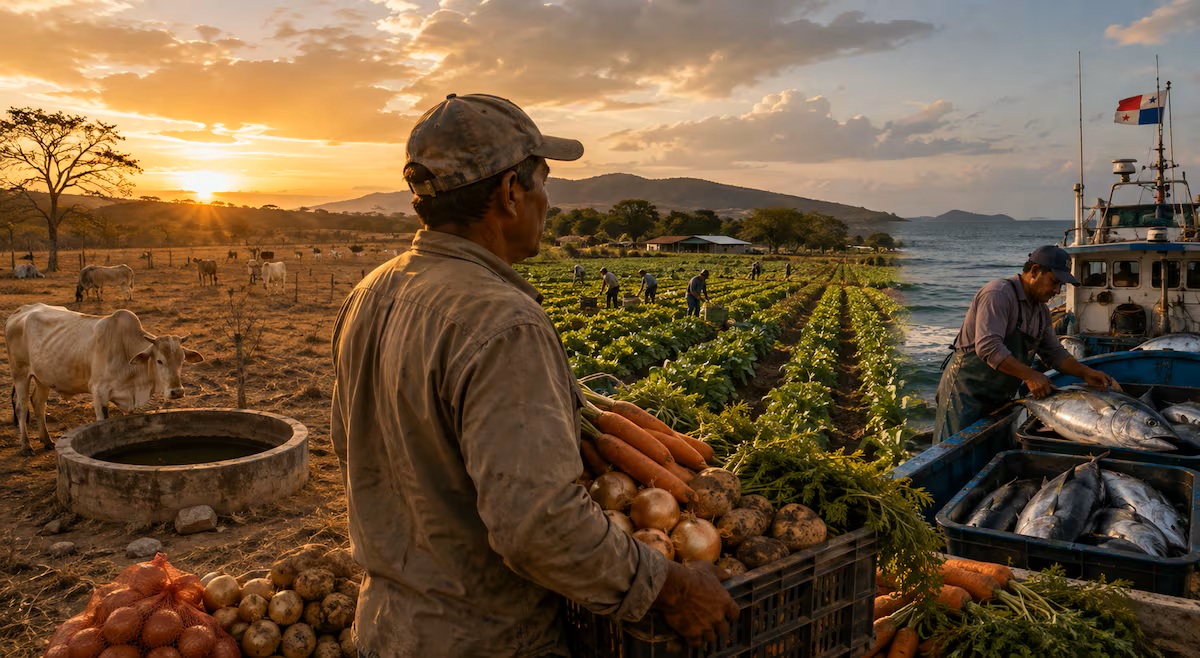
The El Niño phenomenon and rising fuel prices are affecting farmers, ranchers, and fishermen in Panama in different ways, while international organizations warn of a greater risk to food. Panamanian agriculture faces severe pressures from El Niño conditions, which bring rainfall deficits, high temperatures, and drought risks that threaten local food production, water supplies, and staple crops like rice and corn.
Climate and Crop Pressures
- Rainfall Deficits: The Institute of Meteorology and Hydrology of Panama (IMHPA) forecasts prolonged dry spells and higher heat indices impacting farming regions. “forecasts of rainfall deficits and increased temperatures between July and December 2026”, as noted by Newsroom Panama.
- Staple Inventories: Local grain and rice outputs face climate-induced gaps, though authorities monitor reserves closely to manage national consumption.
Water and Resource Management
- Reservoir Levels: Reduced freshwater levels in key watersheds challenge both irrigation systems and broader logistical operations like the Panama Canal.
- Government Response: Authorities have urged early national preparation, monitoring, and institutional coordination to mitigate agricultural losses.
While cattle ranchers in the Dry Arc look to the sky hoping for rain to allow the pastures to recover and feed their animals, in the highlands of Chiriquí some farmers face a completely different problem: the climatic conditions have favored the production of potatoes and various vegetables, but that abundance ended up saturating the market and reducing the prices they receive for their crops. Although they appear to be different scenarios, they all share the same origin. The El Niño phenomenon is altering weather patterns unevenly across Panama, while rising fuel, fertilizer, and other input costs are increasing production costs for virtually all agricultural sectors.