Contamination in the Caldera River Basin in Boquete Chiriquí Province Panama
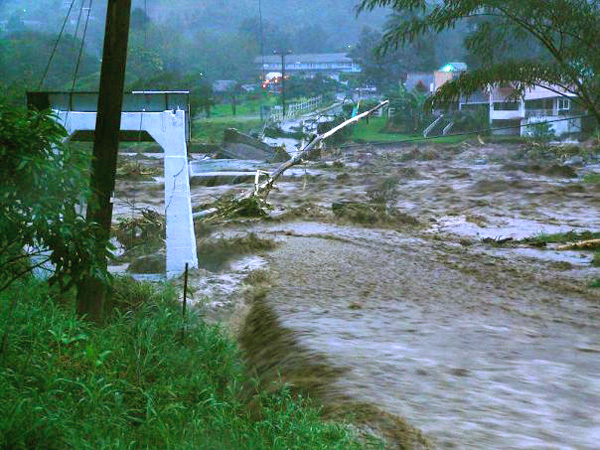
The Ministry of the Environment (MiAMBIENTE) officially confirmed the presence of microbiological contamination in the Caldera River basin in Boquete, Chiriquí province, after the citizen organization Boquete Se Cuida requested information on the water quality of the tributary. Analyses conducted as part of the National Surface Water Quality Monitoring Network detected high concentrations of fecal coliforms at various monitoring stations, exceeding in some cases the reference values established in Executive Decree No. 75 of 2008.
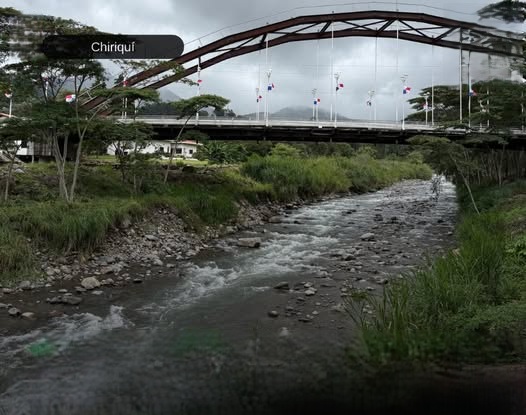
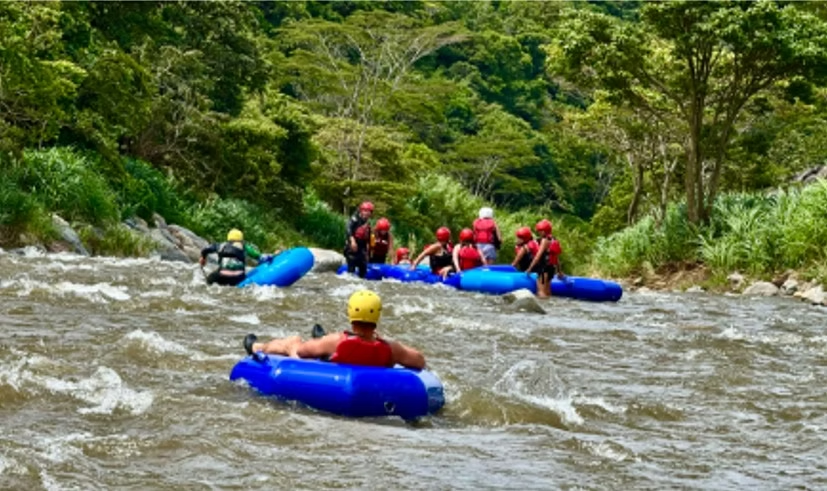
The official report, issued on May 4, 2026, indicates that although the physicochemical parameters (pH, dissolved oxygen, biochemical oxygen demand, and turbidity) mostly meet regulatory criteria, the microbiological component represents “the main factor putting pressure on the quality of the water resource.” This situation limits the use of water for recreational activities involving direct contact at the affected stations, due to the associated health risks.
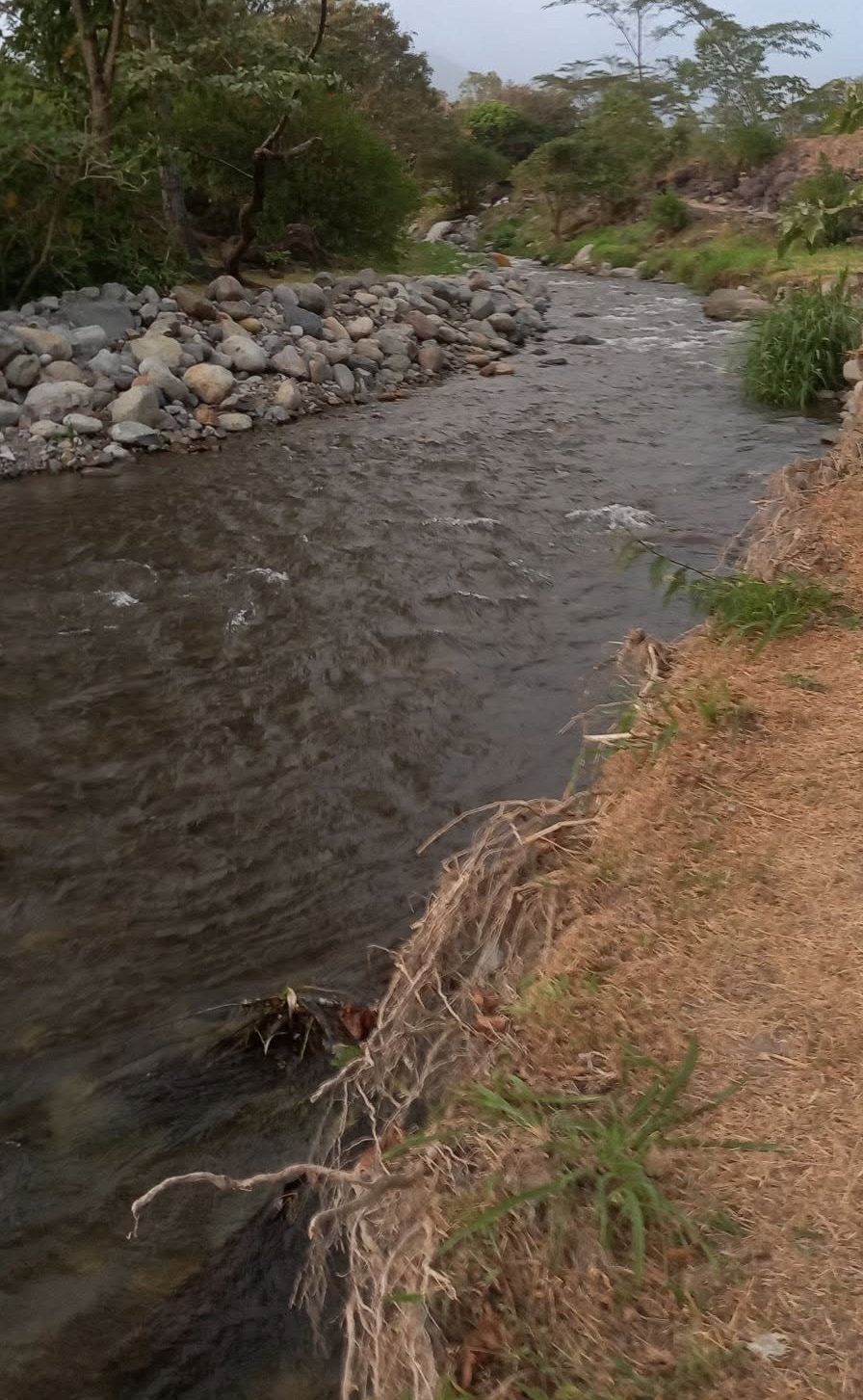
MiAMBIENTE indicated that the specific identification of the sources of pollution requires complementary evaluations, although subsequent documents reveal that the entity maintains two open administrative processes for alleged environmental non-compliance related to wastewater discharges from the Boquete aqueduct and sanitary network project (executed by CONADES) and from a hotel in the Jaramillo sector.
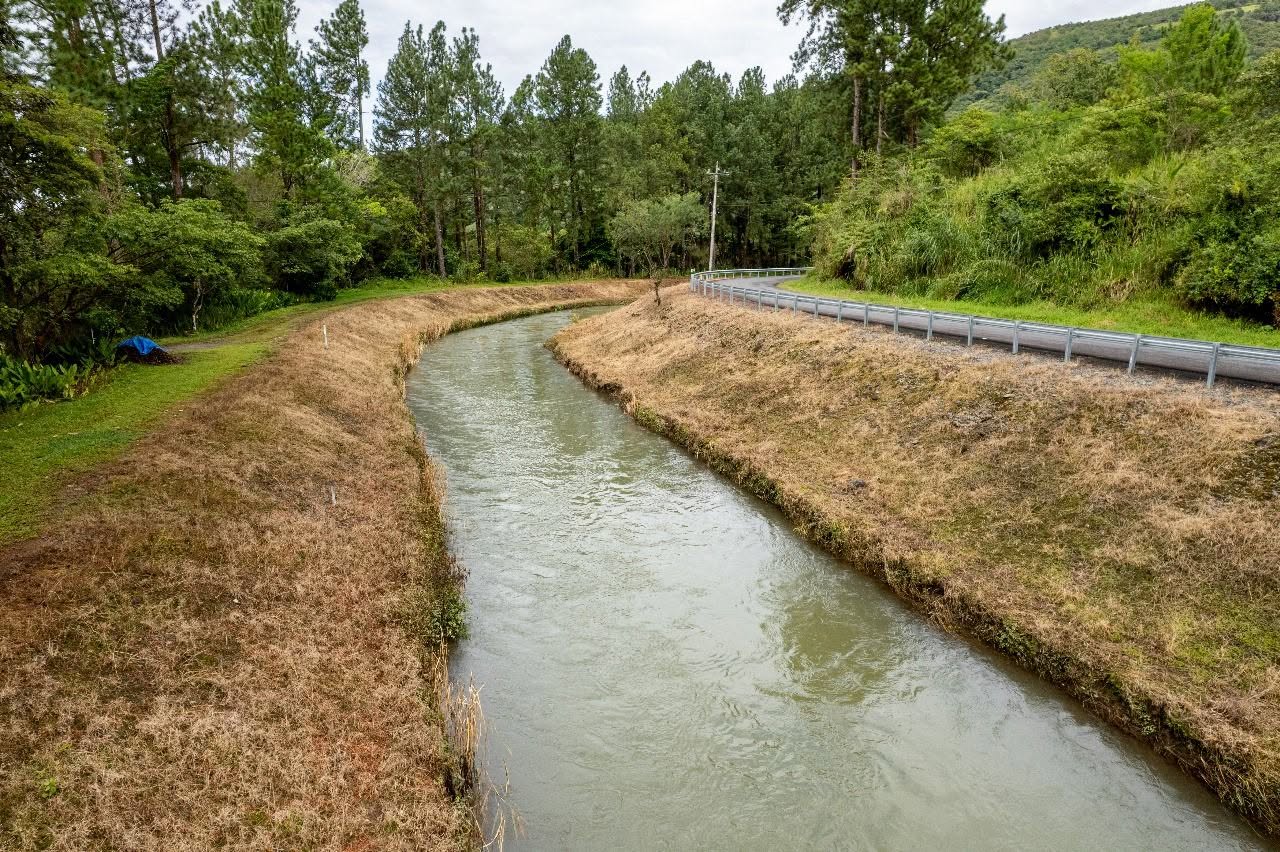
The organization Boquete Se Cuida emphasized the importance of making this information publicly available and urged authorities and citizens to take action to protect the Caldera River, one of the district’s main natural resources. The Ministry of the Environment (MiAMBIENTE) reiterated its commitment to continue monitoring, oversight, and follow-up on the ongoing administrative processes.
Comments Posted
All those tributaries of the Caldera River, especially the Bajo Mono and Rio Pianista, are latrines for many who live near the river.
This has been discussed for years, and that’s supposedly why the wastewater treatment plant was built—a “MILLION-DOLLAR PROJECT” that apparently hasn’t done any good!
Where are the authorities? Our water is being polluted. Keep letting them build on the riverbanks.
That’s not unusual; with all the rain that fell, sewage was overflowing in the town’s drains. The authorities know that. It’s no surprise that it’s also in the river.
In Boquete, during that walk along the banks of the Caldera River, I saw raw sewage flowing into it. And the poor people in the areas downstream use it. So much pollution.
At the bridge for the Three Waterfalls, there is an illegal encampment within the riverbed, where the river is being used as a public toilet and the river itself has become a garbage dump. Several complaints have been filed with the municipality, but they are turning a blind eye. This sets a very worrying precedent for any property owner with a riverfront area who wants to protect it, and it is a threat to the environment. The sad reality is that this is one of Boquete’s most visited attractions, and the water could not come from a more pristine source at this altitude, directly from the National Park. Around 100 visitors a day witness its pollution. We can only imagine what is happening off the beaten track. In my opinion, Panamanian rivers need a buffer zone several tens of meters wide with strict restrictions and a ban on the use of pesticides and fertilizers within that zone. Looking at the Caldera de Bajo Mono area, it is steadily evolving to reach the same levels of pesticide and fertilizer use as Cerro Punta. Without a solid river perimeter, imagine what’s contaminating Boquete’s drinking water…