Busted: The John Wick Money Laundering and Cocaine Network of ‘The Philippine Mafia’ in Panama
After four years of surveillance, the prosecution reconstructed an international structure that sent cocaine to Europe and hid its profits through companies and alleged front men.
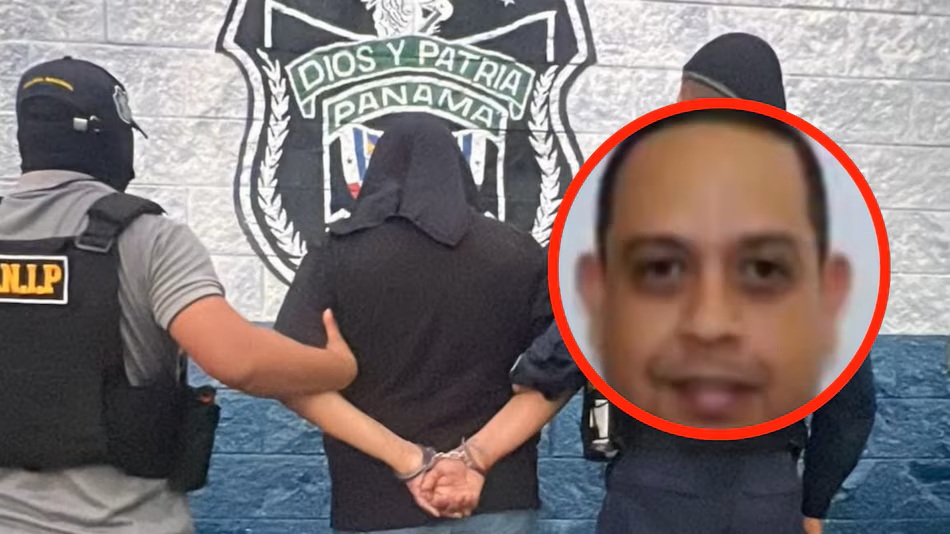
Panamanian law enforcement dismantled the core operations of the “Mafia Filipina” (MF), a dangerous local organized crime syndicate, following a series of coordinated tactical raids. Despite its foreign-sounding moniker, the network is entirely of Panamanian origin and was neutralized through joint interventions by the Panama National Police and the Public Prosecutor’s Office.
The Catalyst and Investigation
The sweeping crackdown was catalyzed by a high-profile homicide. Catalyzed means a process was sped up, triggered, or brought about by a catalyst.
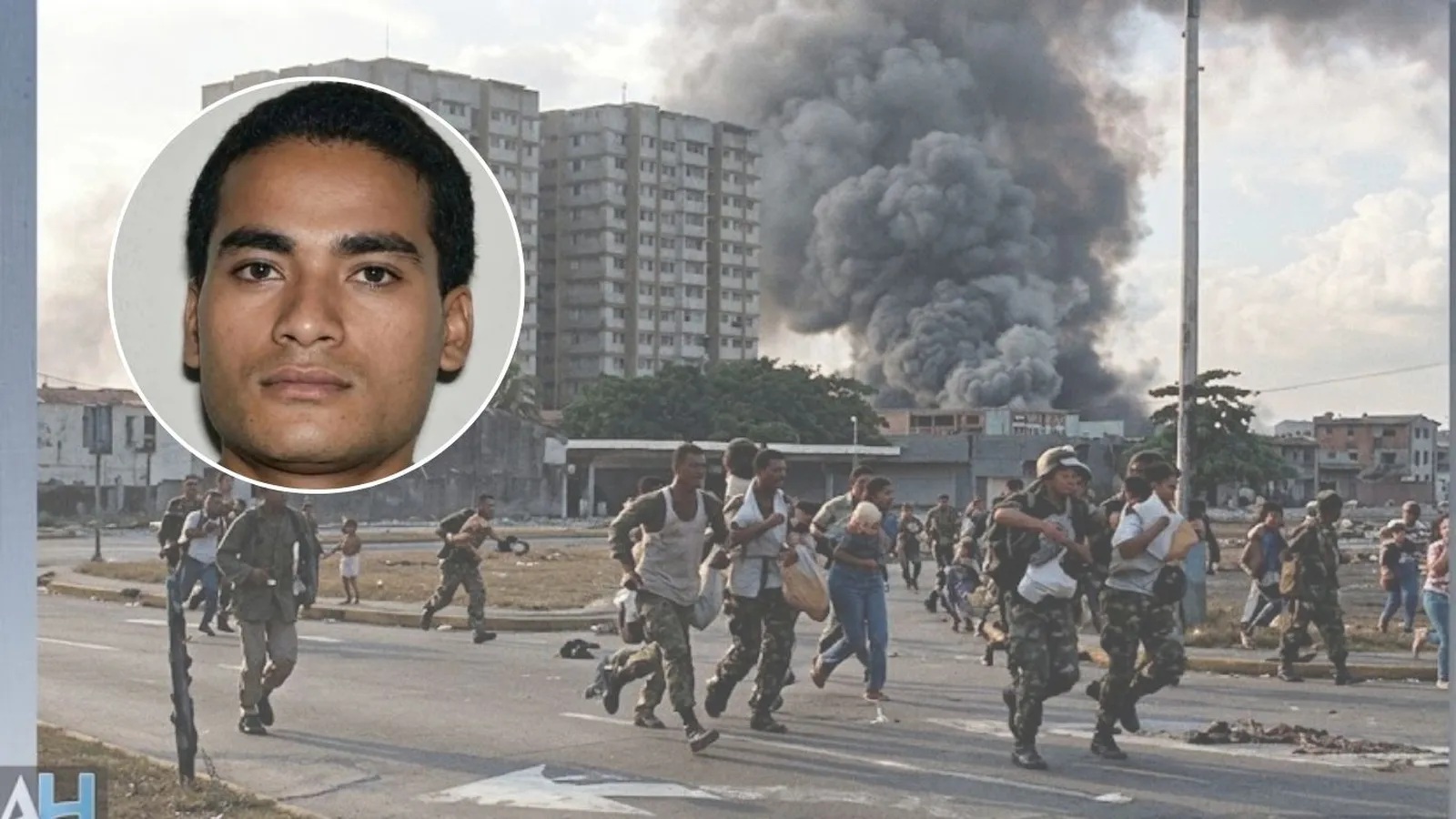
- The “John Wick” Murder: The network fell under intensive scrutiny after the May 19, 2026, execution-style murder of a man nicknamed “John Wick” on Ricardo J. Alfaro Avenue near El Dorado.
- The TikTok Mistake: To map out the cartel’s internal hierarchy, investigators relied on forensic digital intelligence. “Through forensic analysis of photographs, videos published on TikTok, and other content spread on social networks, investigators managed to profile the suspects,” as reported on local TV news media, allowing police to identify top leaders who openly flaunted their weaponry and criminal symbols online.
Operational Footprint & Modus Operandi
The criminal cell began operating in 2021, establishing its primary stronghold in the high-profile residential zone of Santa María within the Betania district. It subsequently expanded its tentacles to surrounding sectors like Tuira and Chucunaque.
- Visual Identifiers: Active members explicitly marked their allegiance by getting elephant tattoos on their hands.
- Global Cocaine Logistics: MF specialized in packing large-scale quantities of international narcotics into maritime cargo containers. Their primary global distribution pipelines targeted lucrative markets in Spain, Egypt, and the Republic of Kosovo.
- Financial Layering: The cartel operated an intricate money laundering apparatus designed to inject illicit drug profits back into the legitimate Panamanian economy, funding further luxury assets and territorial control.
The Arrests and Fugitives
Law enforcement systematically targeted the group through a wave of simultaneous raids code-named “Operation Firmeza” and “Operation Escudo”. Mass Apprehensions: Initial mid-July raids resulted in the capture of 14 key operatives.
- High-Value Targets: In late July 2026, a 54-year-old high-ranking lieutenant named Jorge Enrique Coronado Samaniego—who was heavily featured on the state’s “Most Wanted” registry—was captured during a residential raid in Arraiján.
- Active Interpol Manhunt: While many are now in preventative custody, the Panama National Police have activated a widespread search for 10 fugitives. This includes the network’s top masterminds, known by the aliases “Woper” and “Toti,” the latter of whom currently faces an active Interpol Red Notice.
As part of Operation Corsair, the First Superior Prosecutor’s Office Specialized in Drug-Related Crimes ordered the arrest of 13 alleged members of the criminal structure known as “The Philippine Mafia,” accused of infiltrating Panamanian port terminals to send shipments of cocaine to Europe and other international markets. The court file alleges that the organization had developed a scheme to use shipping containers for international drug trafficking. The investigation describes an operation with ramifications both within and outside the country, capable of moving cocaine to Europe and other international markets through meticulously planned logistics.