The Audit of Cobre Panamá is Questioned by Environmentalists, who Ask that it not Define the Future of the Mine
The alternative audit has already identified nine operational failures, including serious deficiencies, among them reforestation, environmentalists say.
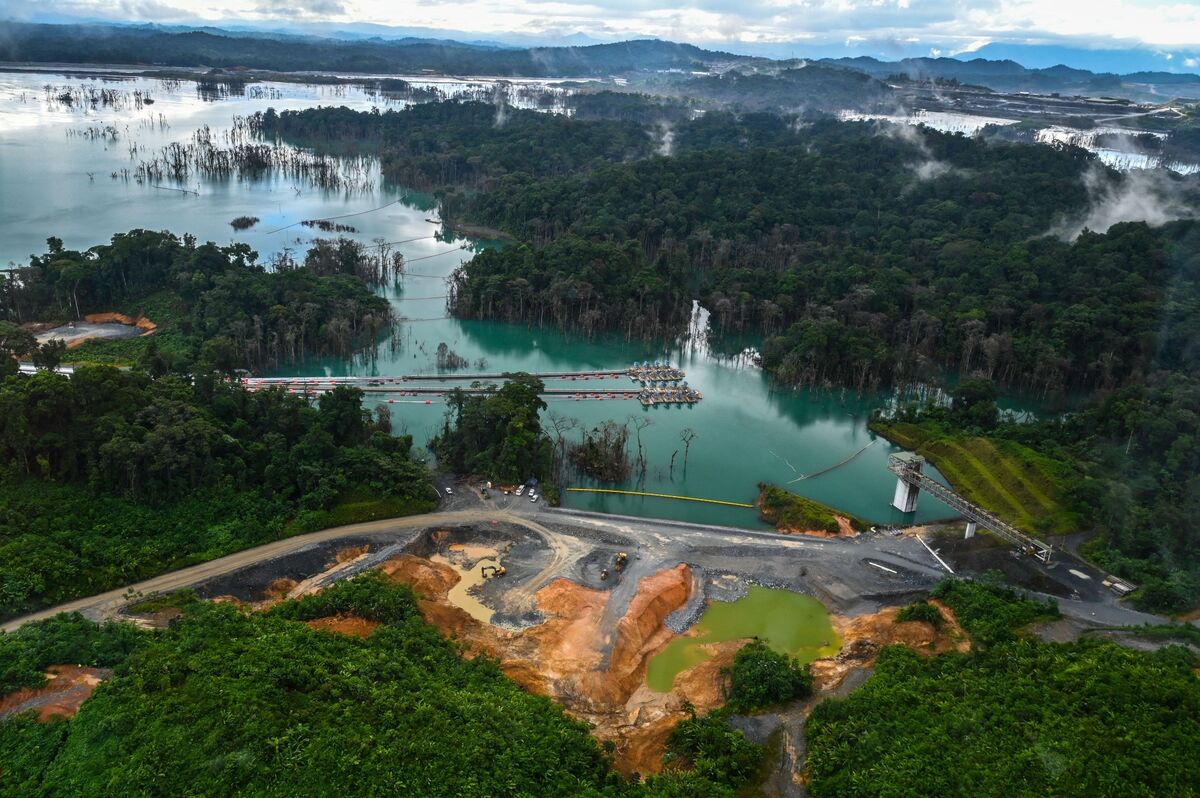
A group of environmentalists in Panama concluded this Wednesday that the audit of the mine owned by Canadian company First Quantum Minerals, which determined a high level of compliance with commitments by the company, is opaque and includes a large “data gap,” and therefore should not be used to decide on the future of the closed mine. The administration of José Raúl Mulino commissioned the Swiss multinational SGS to conduct a comprehensive audit of the Cobre Panamá mine, operated by Minera Panamá, a subsidiary of First Quantum, which ceased operations after the Supreme Court declared its concession contract unconstitutional in November 2023.
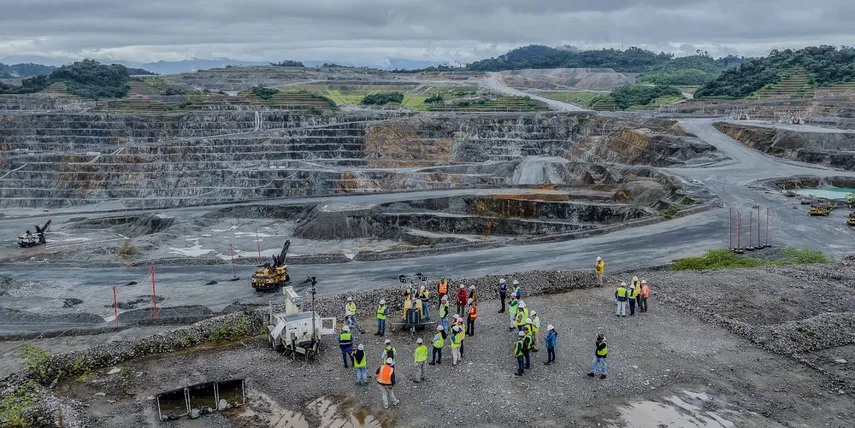
Now, a ministerial commission is analyzing the audit results to recommend, possibly before the end of this year, what to do with the site, whose investment stands at $10 billion. “We found an audit that is neither independent nor comprehensive. Ninety percent of it can be considered a paper audit because it is based on documents from the mining company itself, where it reports whether it has a monitoring plan or some other measures,” Lilian Guevara, director of the Center for Environmental Advocacy (CIAM PANAMA), explained to News Media Environmentalists grouped in the Technical Committee for Mine Closure, of the Panamanian Committee of the International Union for Conservation of Nature (IUCN), independently reviewed with international technical support the comprehensive audit carried out by SGS and composed of 15 volumes of 1,350 pages.
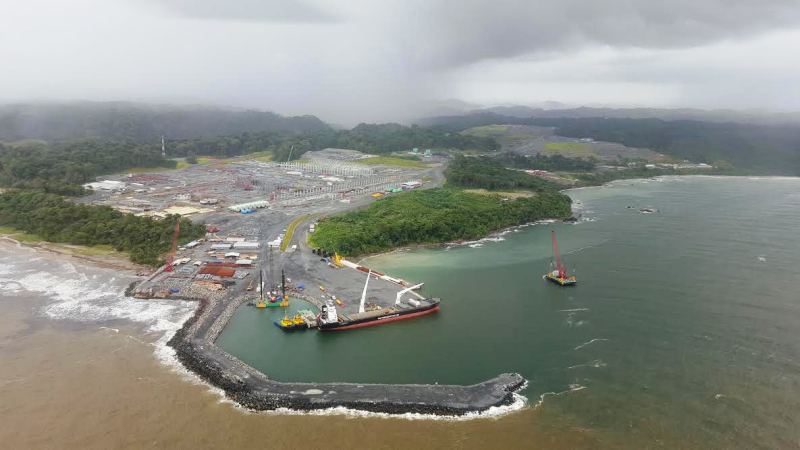
The alternative audit already identified nine operational failures, including serious deficiencies, among them reforestation, which would have reached only 45.7% of what was committed, as well as yielding an overall compliance of 87.64% of the 370 environmental commitments of the mine, as said by the Government in June. However, environmental advocates argue that the audit was actually administrative and not environmental, as originally agreed. “At no point does the analysis include whether the measures implemented were the correct ones, whether they were properly evaluated, or whether they implied damage to communities, impact on ecosystems, or changes in water or air quality,” Isaías Ramos, a technician at CIAM and a member of the technical committee for mine closure, explained to News Media.
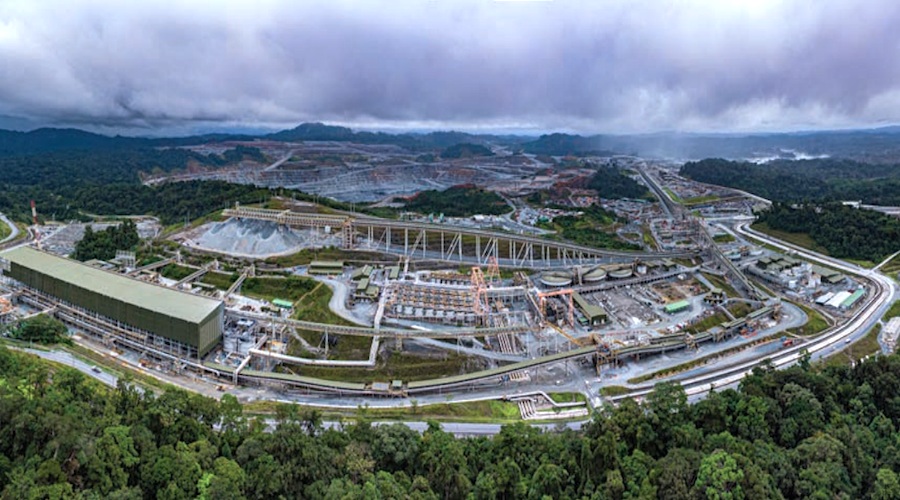
Environmentalists argue that there are strong contradictions between the findings of serious deficiencies or limitations such as water monitoring, groundwater quality and tailings management facilities and the final conclusions, where the auditor ended up rating the aspects as “compliant” or positive. According to activists, nearly 40% of the commitments evaluated lack any supporting documentation or objective evidence in the annexes or the information presented to substantiate their fulfillment. Above all, they warn of a serious lack of data. “It was a bureaucratic presentation to follow up on the information (…) we understand that future decisions will be made based on political considerations,” Ramos lamented.
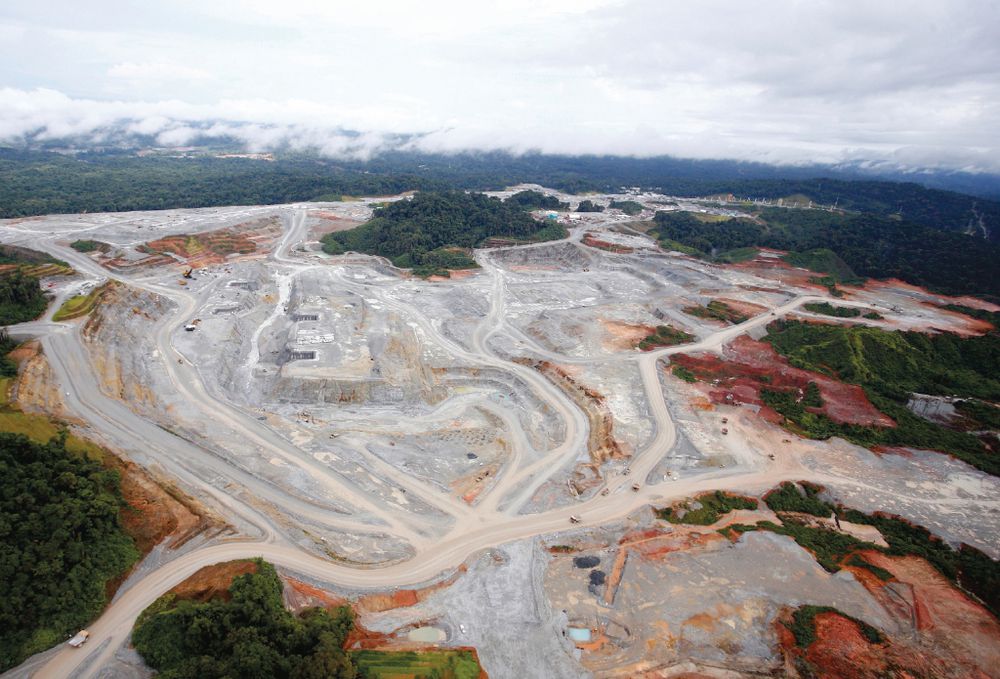
Therefore, they demand that “this audit not be accepted as comprehensive and that a major non-conformity issue be declared for the commitments, stating that the supplier has not presented the objective information to demonstrate compliance,” as Alibel Pizarro, from the Panamanian Center for Studies and Social Action (CEASPA) and executive secretary of the Technical Committee, declared. Cobre Panamá, the only mining operation of that mineral in Panama, ceased operations amid a wave of protests against the concession for being harmful to the country and violating sovereignty.
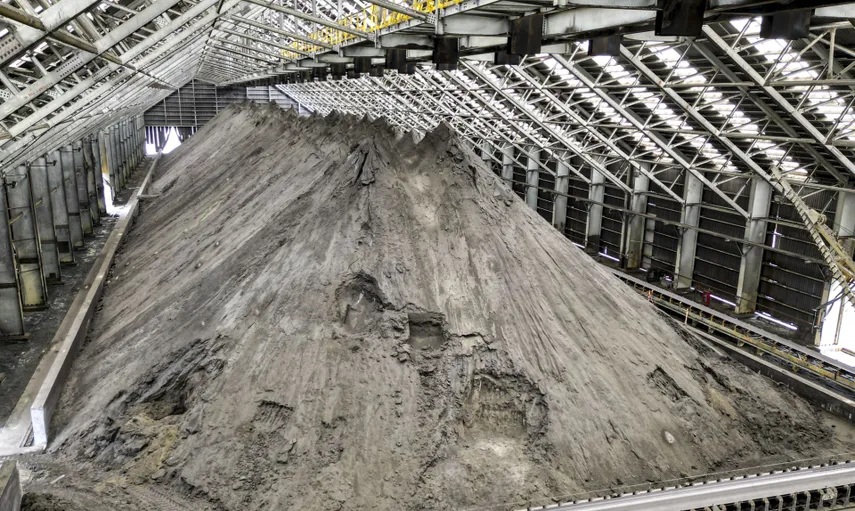
The Mulino administration has made clear its intentions regarding the eventual reopening of the mine due to its economic impact. It has even considered a “genuine partnership” with the company and has given the green light to begin negotiations with its executives after suspending arbitration proceedings against Panama for $27 billion last year. Meanwhile, the processing of 38 million tons of rock extracted before the mine’s closure was authorized because it posed an environmental risk, an activity that has boosted First Quantum’s profits, the miner reported on Tuesday.