Panamanian Children Die Among the Coffee Plantations of Costa Rica: It is Indeed a Tragedy
Between 2020 and February 2026, at least 19 Panamanian minors died in the coffee-growing region of Los Santos, most of them children of Ngäbe-Buglé workers.
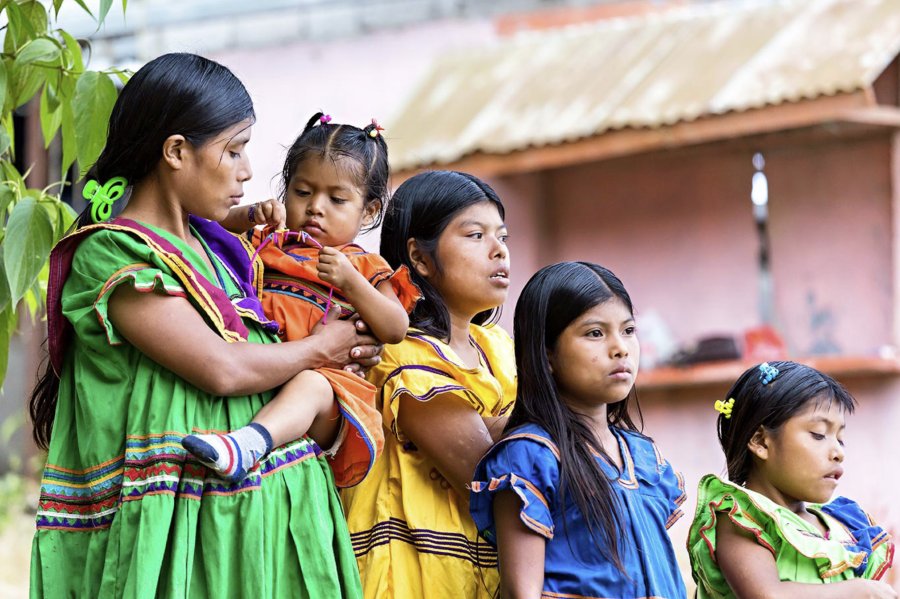
There is a severe, ongoing humanitarian crisis involving migrant indigenous children from Panama who face exploitation, hazardous living conditions, and high mortality rates while traveling with their families to harvest coffee in Costa Rica. Every year, an estimated 2,500 children from the Panamanian Ngäbe-Buglé indigenous territory cross the border into Costa Rica’s Coto Brus region to work the seasonal harvest. Due to extreme poverty, lack of local work, and systemic isolation, entire family units migrate out of economic survival.
Critical Systemic Threats to Children
- Lethal Living Conditions: Families live in overcrowded, sub-standard wooden shelters known as baches. Heavy seasonal rains create rampant mold, leading to fatal respiratory infections and severe neurological illness among infants and children.
- Hazardous Child Labor: Due to a lack of childcare, thousands of minors work 10-hour days directly in the steep, slick terrain of the coffee fields. They face constant exposure to toxic agricultural pesticides, harsh mountain weather, and workplace injuries.
- Risk of Statelessness: Many Ngäbe-Buglé children are born in remote border plantations. Because their births are never registered in either country, they effectively become stateless, cutting them off from basic healthcare, vaccines, and legal protection.
Humanitarian Intervention and Reform
To target child exploitation and lower the mortality rate, international organizations and the Costa Rican government developed systemic safety nets:
- Casas de la Alegría (Houses of Joy): This network of specialized daycare centers was established near the plantations. They offer safe shelter, structured playtime, and nutritious meals to children under 12 while their parents work, effectively keeping them out of the fields.
- Tracking and Legal Protection: Groups like the UNHCR and local foundations track pediatric vaccinations, provide basic education, and facilitate birth registrations to establish legal identities for these children.
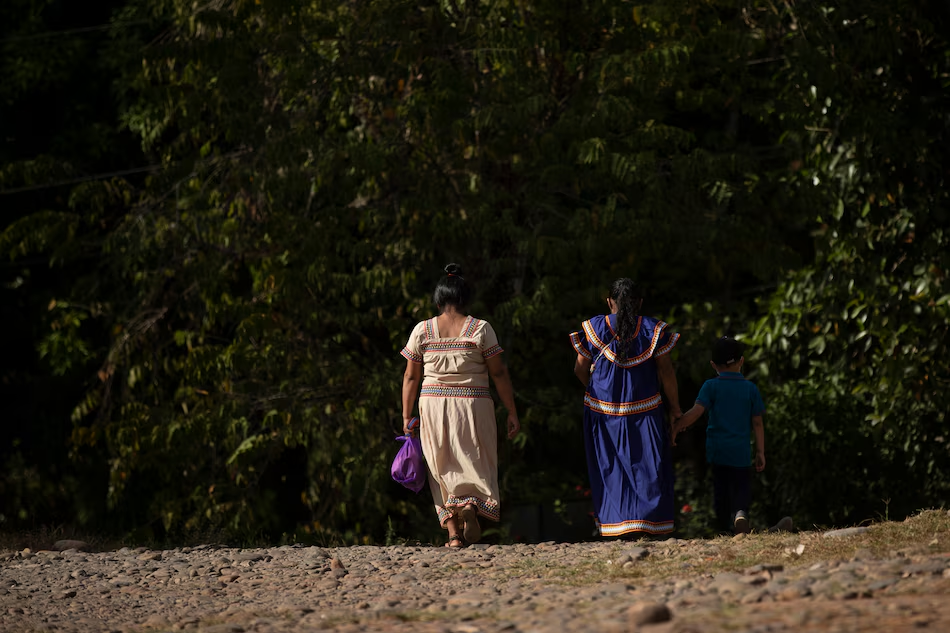
The coffee harvest in Costa Rica, which each year receives thousands of indigenous Panamanian families in search of sustenance, also reveals a little-known tragedy: children who die while accompanying their parents on this labor migration. In the so-called Coffee Axis of southeastern Costa Rica, where hundreds of families arrive each season from Chiriquí, Bocas del Toro and Veraguas to participate in the coffee harvest, the vulnerability of migrant workers has made children the main victims of a system that, according to the judicial investigation, has serious flaws in social protection and health care.