What Has Not Changed About the Panama Mining Project in Donoso?
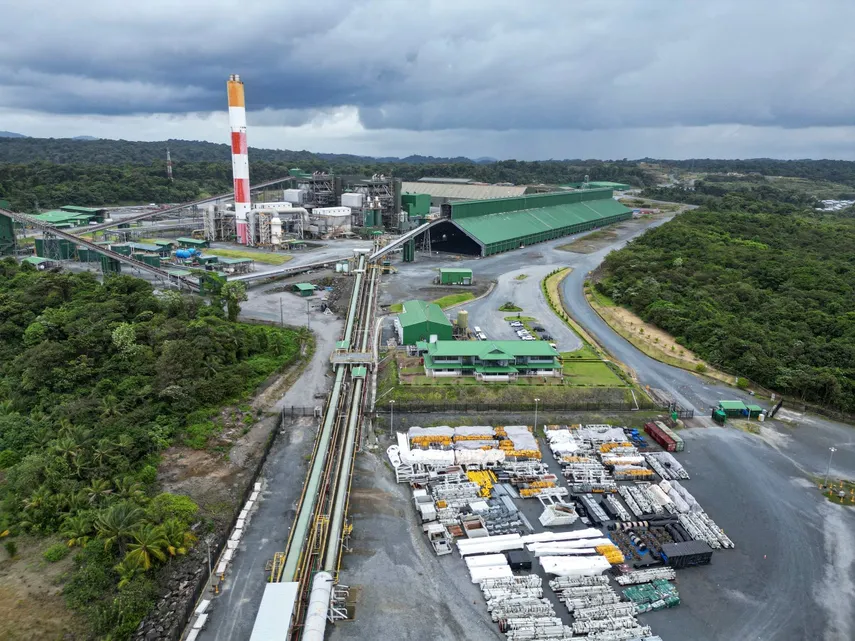
Despite the Supreme Court declaring the mine contract unconstitutional and nationwide protests in 2023, certain realities of the Cobre Panamá project have remained constant. What has not changed about the Panama Mining Project:
- Site Presence & Preservation: First Quantum Minerals maintains an active, physical presence on-site. The mine remains in a preservation and safe management mode, which continues to employ over 1,700 workers and contractors.
- Ongoing Export Approvals: The Panamanian government continues to allow the company to process and export previously mined copper concentrate from stockpiles to fund ongoing maintenance and environmental oversight.
- Unresolved Environmental & Social Concerns: Local indigenous and environmental groups—such as Panama Vale Más Sin Minería—continue to protest, citing ongoing concerns over water contamination, tailings facility stability, and a lack of clear, sustainable closure plans.
- International Legal Battles: Panama continues to face investor-state lawsuits from mining companies demanding either a reopening of the mine or billions in compensation for the halted operations.
- The “Restart” Push: First Quantum and the Panamanian government are continually in talks and evaluations (such as audits conducted by SGS) to find a durable resolution that could potentially lead to the resumption of mining activities.
When the Supreme Court of Justice heard the open-pit mining project for the second time, it concluded in the respective ruling, categorically and after the corresponding analyses, that “this means that, for the Plenary, the effect of this decision of unconstitutionality must be interpreted in the sense that there is no concession” (ruling of November 27, 2023).
But why was the Supreme Court so precise and categorical as to conclude that there was no concession due to the declaration of unconstitutionality? Because in both the first and second rulings, the Supreme Court was able to establish that the concession contracts granted by the State had been entered into and approved without the prior call for bids, as required by the regulations governing the matter.