MERCOSUR in Paraguay: Panama Promotes Modernization Democracy and Connectivity
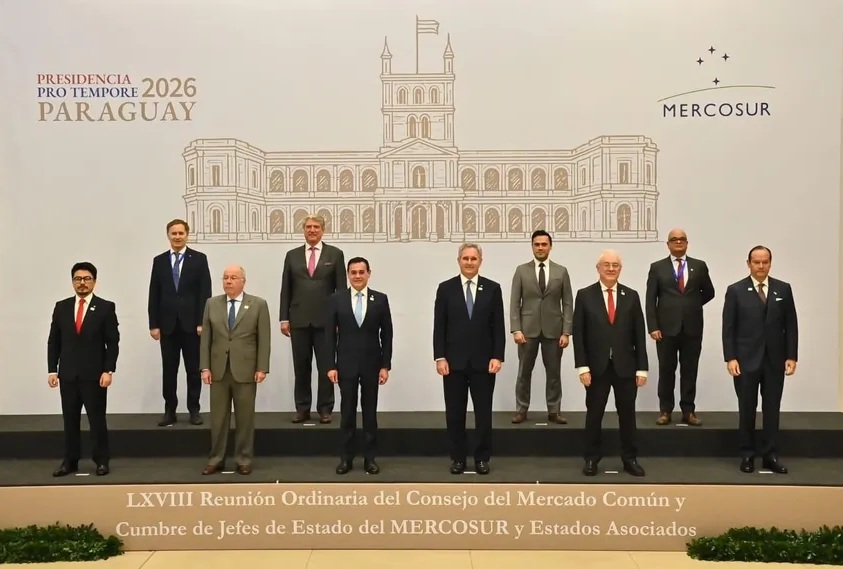
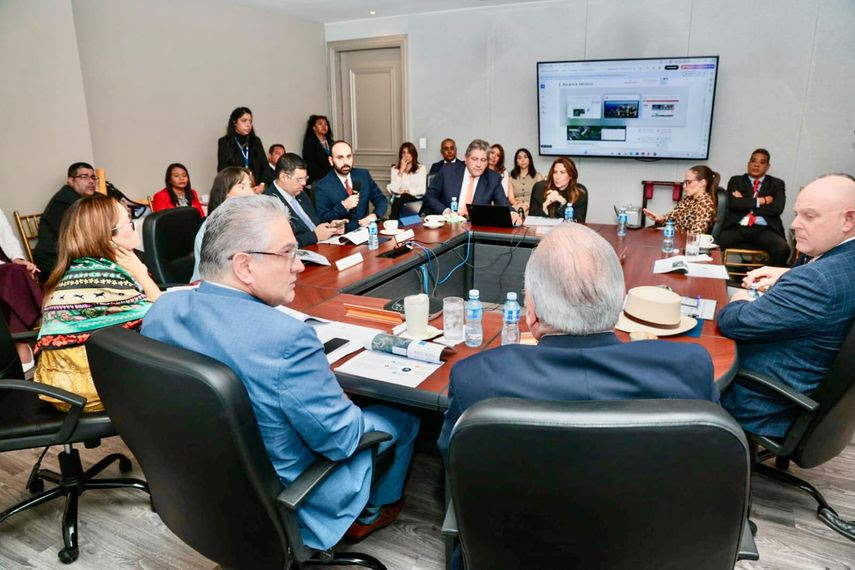
At the start of the debates at the Ordinary Meeting of the Common Market Council of MERCOSUR in Asunción, Paraguay, Foreign Minister Javier Martínez-Acha Vásquez reiterated Panama’s commitment to regional integration and proposed a strategic vision focused on economic modernization, digital cooperation and democratic strengthening in Latin America.
Panama Present in Mercosur
“Regional integration must go beyond rhetoric and translate into concrete benefits for citizens,” he said on Monday, while acknowledging the need for trade and cooperation to become effective tools for generating employment, reducing inequalities, and improving the quality of life for people. One of the central themes of the Panamanian foreign minister’s intervention was the modernization of regional trade, with an emphasis on simplifying customs procedures, digital interoperability, and eliminating regulatory barriers.
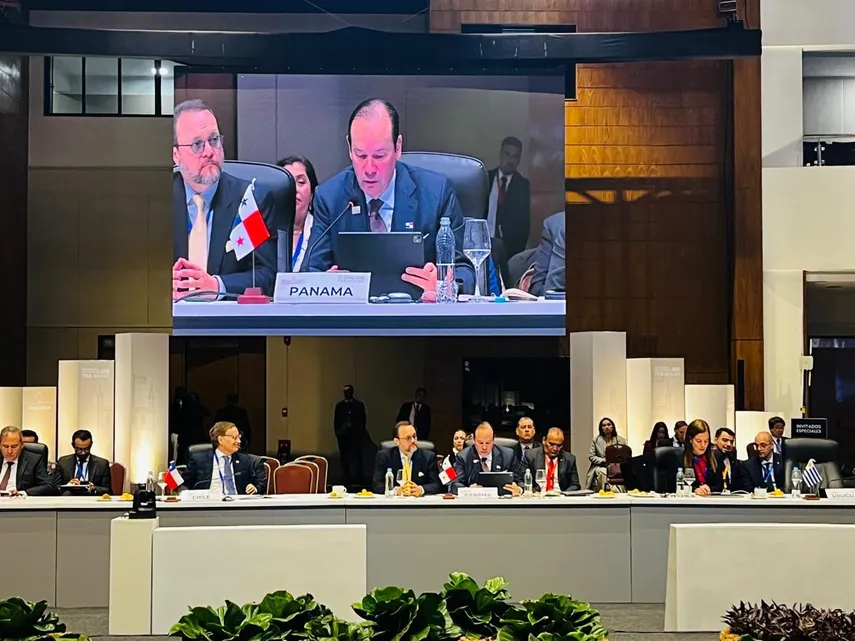
Foreign Minister Martínez-Acha Vásquez pointed out that 21st-century competitiveness depends on efficient institutions and the full incorporation of digital technologies. He also proposed building a digital economy based on knowledge and education, warning about the risks of disinformation. In this regard, he advocated strengthening digital literacy as a key tool for protecting democracy, emphasizing that the best defense against information manipulation is an educated, free, and critical citizenry.
Security and Trade
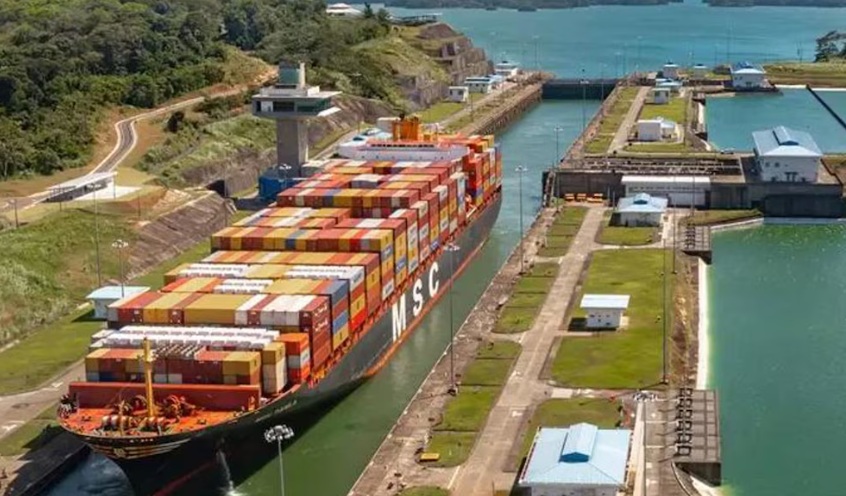
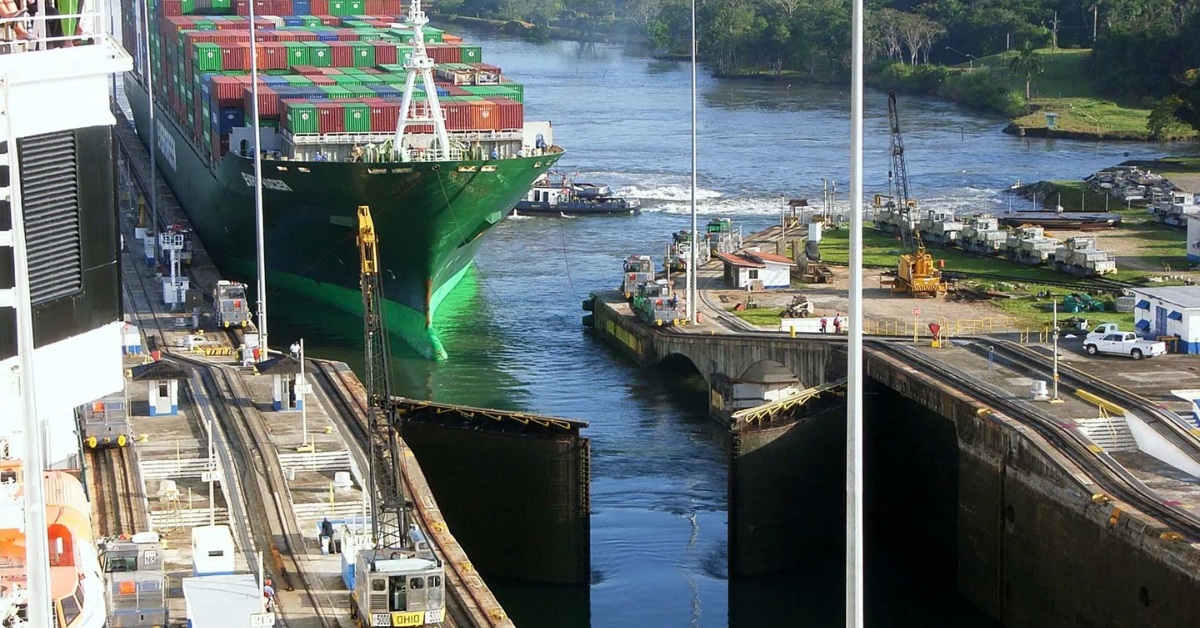
Regarding security and international trade, Minister Martínez-Acha Vázquez highlighted the importance of guaranteeing freedom of maritime navigation and the security of global trade routes, noting the strategic role of the Panama Canal as a logistical hub for integration between Latin America and the world. “There is no lasting economic integration without strong institutions, nor human development without democracy,” he stressed, while defending respect for the rule of law, the independence of powers, and democratic alternation as fundamental pillars of regional stability.
He also expressed Panama’s solidarity with the Venezuelan people in the wake of the recent earthquake, calling for strengthened regional humanitarian cooperation, while stressing the importance of moving towards transparent democratic processes and free elections in that country. Foreign Minister Martínez-Acha Vásquez proposed strengthening MERCOSUR’s international presence through strategic alliances with extra-regional partners, highlighting the potential for cooperation with Japan.
In this context, he emphasized the role of the Panama Canal as a “natural bridge between MERCOSUR and the Asia-Pacific region,” and reaffirmed Panama’s commitment to acting as a strategic partner in global integration. He called for building a more modern, open, democratic and deeply human integration, based on cooperation, innovation and the strengthening of freedoms.