5 Ways to Prove Liability in a Distracted Driving Accident Case
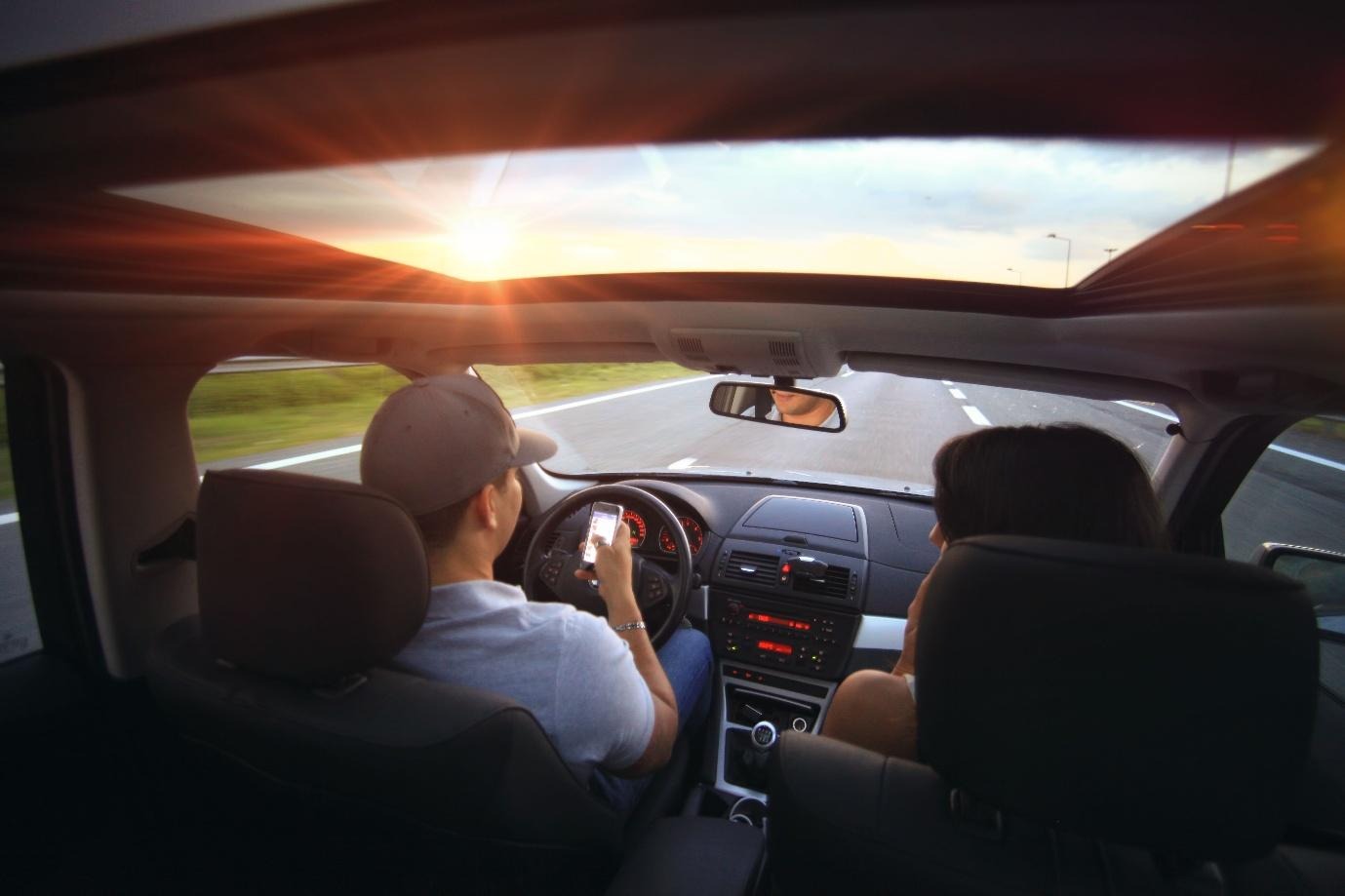
Proving liability in a distracted driving accident means showing that another driver’s inattention directly caused the crash and your injuries. It is not enough to suspect distraction. You need evidence that establishes what the driver was doing and how that behavior led to the collision.
Distracted driving cases can be harder to prove than standard negligence claims because the evidence is often time-sensitive and easy to lose. For anyone building a case, understanding distracted driving accidents and how liability is established gives you a clearer picture of what evidence matters most.
1. Phone Records and Digital Data
Cell phone records are among the most direct forms of evidence in distracted driving cases. A subpoena can compel a wireless carrier to release call logs, text timestamps, and data usage records tied to the time of the crash.
If records show the driver was texting or on a call at the moment of impact, that significantly strengthens a liability argument. Under most state distracted driving statutes, handheld phone use while driving is a traffic violation that can support a negligence per se claim.
2. Witness Testimony
Eyewitnesses who saw the driver looking at a phone, eating, or otherwise not watching the road can provide compelling testimony. Passengers in either vehicle, pedestrians, or nearby drivers can all serve as witnesses.
Witness accounts are most effective when collected soon after the accident. Memories fade, and details shift over time. Securing contact information at the scene or through the police report is an important early step.
3. Traffic Camera and Surveillance Footage
Traffic cameras, dashcams, and nearby business security systems often capture accidents as they happen. Footage showing a driver drifting lanes, running a red light, or failing to brake in time can support a distraction argument even without direct proof of what caused it.
This evidence has a short shelf life. Many systems overwrite footage within 24 to 72 hours. Sending a preservation letter to relevant businesses or government agencies quickly is critical to keeping this evidence available.
4. Police Reports and Traffic Citations
The responding officer’s report often includes observations about driver behavior, statements made at the scene, and any citations issued. If the driver was ticketed for phone use or careless driving, that citation carries legal weight in a civil case.
A citation is not automatic proof of liability in a lawsuit, but it creates a documented record of a legal violation. Courts and insurance adjusters both treat traffic citations as relevant evidence when evaluating fault.
5. Vehicle Data and Accident Reconstruction
Modern vehicles store event data in onboard systems, sometimes called black boxes. This data can include speed, braking patterns, steering input, and whether the driver took evasive action before impact.
Accident reconstruction experts use this data alongside physical evidence from the scene to build a timeline of the crash. Their analysis can show that the driver failed to react in a way a reasonably attentive driver would have, which supports a negligence finding.
Negligence vs. Negligence Per Se
These two legal theories often come up in distracted driving cases and work differently.
Standard negligence requires proving the driver owed a duty of care, breached it, and caused your harm. Negligence per se applies when a driver violates a specific statute, such as a texting-while-driving law, and that violation caused the accident. Negligence per se can simplify the burden of proof because the legal breach is already established by the citation or violation.
Steps to Protect Your Case Early
- Call law enforcement and request a full accident report.
- Photograph the scene, vehicle positions, and any visible damage.
- Collect names and contact details of all witnesses.
- Preserve your own dashcam footage if available.
- Avoid giving recorded statements to the other driver’s insurer before consulting an attorney.
Key Takeaways
- Proving distracted driving liability requires concrete evidence, not just suspicion.
- Phone records obtained through a subpoena can directly link distraction to the crash timeline.
- Surveillance footage must be preserved quickly, as many systems overwrite within 72 hours.
- Police citations for phone use or careless driving support negligence claims in civil court.
- Vehicle event data and accident reconstruction can establish driver inattention objectively.
- Negligence per se applies when a driver violates a distracted driving statute that causes the accident.
- Acting quickly to gather and preserve evidence is the most important step after any accident.