Panama Ombudsman Warns that it could Compromise the UNESCO World Heritage Status by Transferring Prisoners to Coiba
The decision to move the prisoners to a protected area has been questioned by various social and political actors.

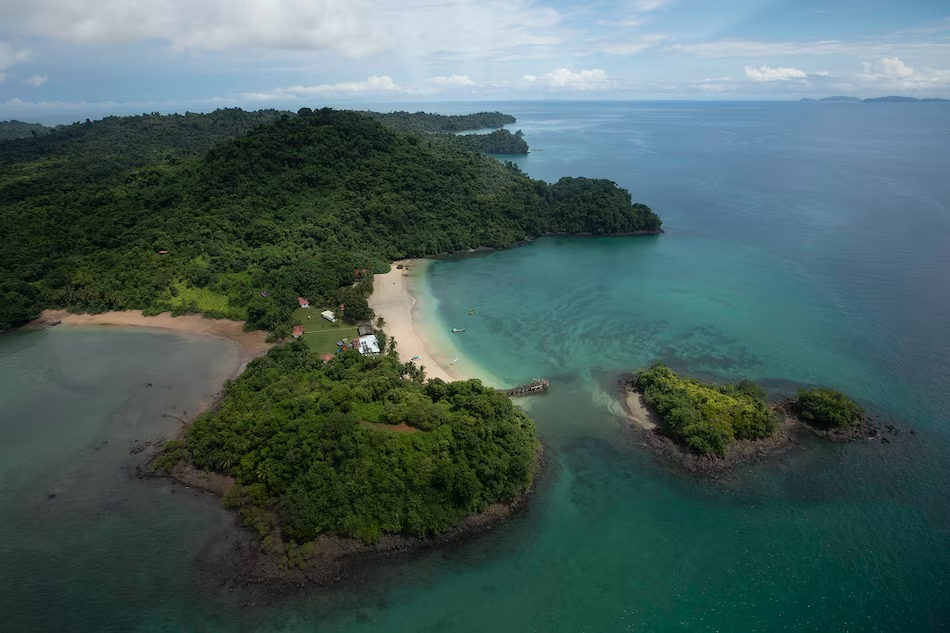
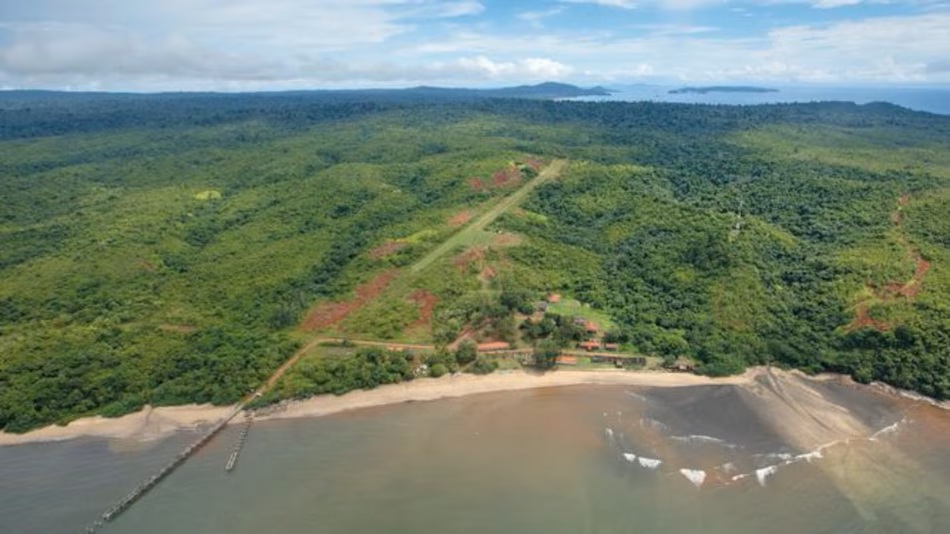
The Ombudsman’s Office issued a statement this Saturday, June 20, referring to the transfer of 29 high-risk inmates to the penitentiary located at the Teniente Nelson Tenas air and naval station on Coiba Island, announced by the Ministry of Security on June 13. According to the institution, it remains vigilant regarding these events, given that Coiba National Park , where the Nelson Tenas air and naval station is located, has held the World Heritage designation by the United Nations Educational, Scientific and Cultural Organization (UNESCO) since 2005.

The decision to move the prisoners to a protected area has been questioned by various social and political actors. In that regard, the Ombudsman recalled that Law 44 of July 26, 2004 , “Which creates the Coiba National Park and dictates other provisions”, states in its article 28 that, once its use as a prison ended , the area and the buildings would become part of the assets of the then National Environmental Authority, now called the Ministry of Environment, and would be administered by the Board of Directors of the Coiba National Park.
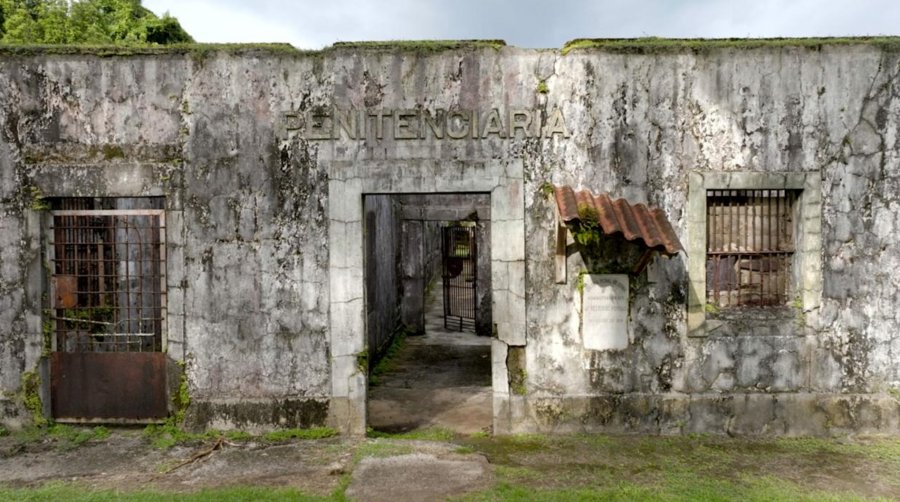
The article also states that the persons deprived of liberty who remained in the aforementioned prison should have been transferred to other areas no later than one year after the date of entry into force of the aforementioned Law, that is, July 29, 2005. In that vein, the Ombudsman’s Office emphasizes that Article 5 prohibits the construction of low-impact infrastructure that is not for the sustainable support of ecotourism or for carrying out scientific activities subject to the provisions of the Management Plan. In the statement, the human rights organization made it clear that the reopening of the prison could put the protected area at risk.

“The National Directorate of the Environment of this National Institute of Human Rights understands the efforts being made by the competent authorities in matters of security; however, we consider that the closure of the Coiba Penitentiary Center was a symbolic international commitment of the Panamanian State and that its reopening could compromise its status as a World Heritage Site before UNESCO,” warned the institution headed by Ángela Russo.
Likewise, he highlighted the importance of guaranteeing the rights of persons deprived of liberty under the provisions of Law 55 of July 30, 2003 “Which reorganizes the Penitentiary System”, Executive Decree No. 393 of July 25, 2005 “Which Regulates the Panamanian Penitentiary System” and the United Nations Standard Minimum Rules for the Treatment of Prisoners (Mandela Rules).
At the same time, the Ombudsman’s Office is maintaining an open investigation to “investigate possible human rights violations, evaluate the specific cases presented and maintain surveillance over the conditions of detention, food, access to basic supplies and security of persons deprived of liberty.” The process stems from the opening of two collective complaints filed by relatives of detainees at the La Joyita Penitentiary Center, who requested the Ombudsman’s Office to ensure the safety and fundamental guarantees that must be respected even though they are in prison.