$6 Million To Be Invested Into Tourism Roads and Key Public Facilities in Panama to Compete with Costa Rica

More than $6 million will be allocated to tourism, road maintenance and upkeep of the Atlapa convention center, alongside other public works tied to tourism infrastructure in Panama. The package also includes materials for maintaining the Sendero Playa Wizard trail on Isla Bastimentos, in Bocas del Toro, and maintenance work on facilities and equipment at the Chitré Convention Center. The spending reflects how tourism development in Panama depends on both major destinations and the basic infrastructure that supports them. Roads, convention venues and natural attractions are part of the same economic chain: when access routes, event spaces and visitor sites are in better condition, they are more likely to attract domestic travel, business gatherings and international tourism.
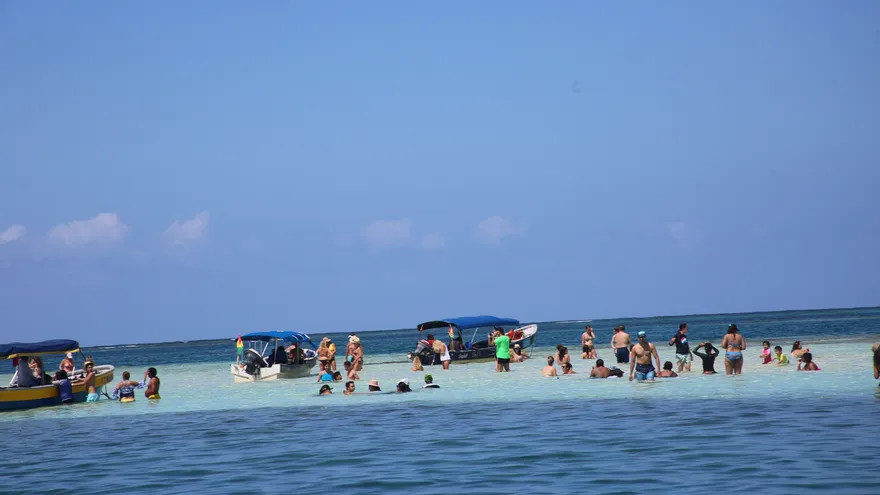
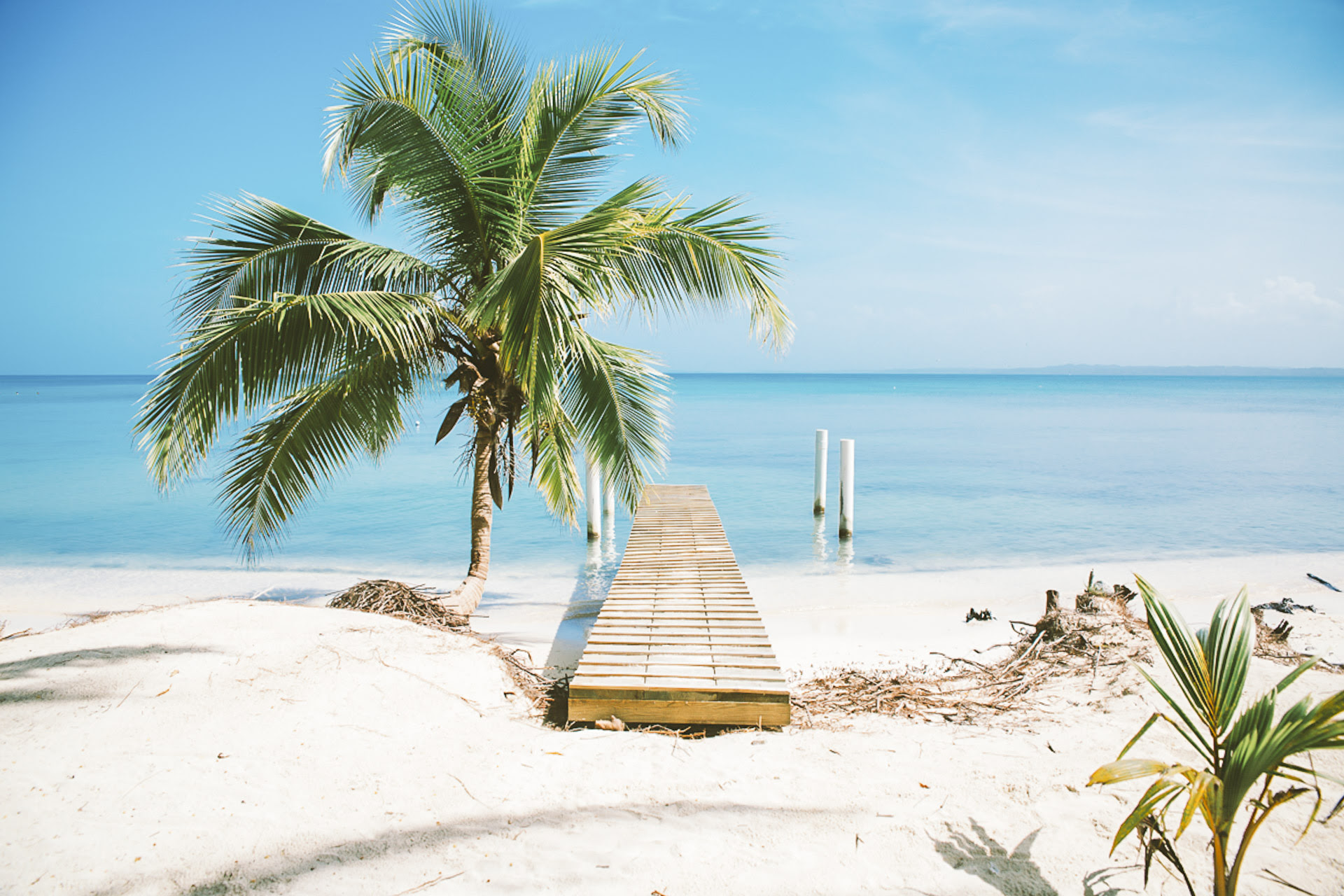
Atlapa, one of the country’s best-known convention facilities in Panama City, has long played a role in trade fairs, conferences and public events. Investment in its maintenance can help preserve a venue that is important not only for government and business activity, but also for the wider hospitality sector that depends on large events bringing people into the capital. The inclusion of Sendero Playa Wizard in Bocas del Toro highlights the growing importance of ecotourism and nature-based travel to Panama’s tourism offer. Isla Bastimentos is part of one of the country’s most visited destinations, where beaches, trails and protected natural areas support local incomes through lodging, transport, guiding services and food businesses.
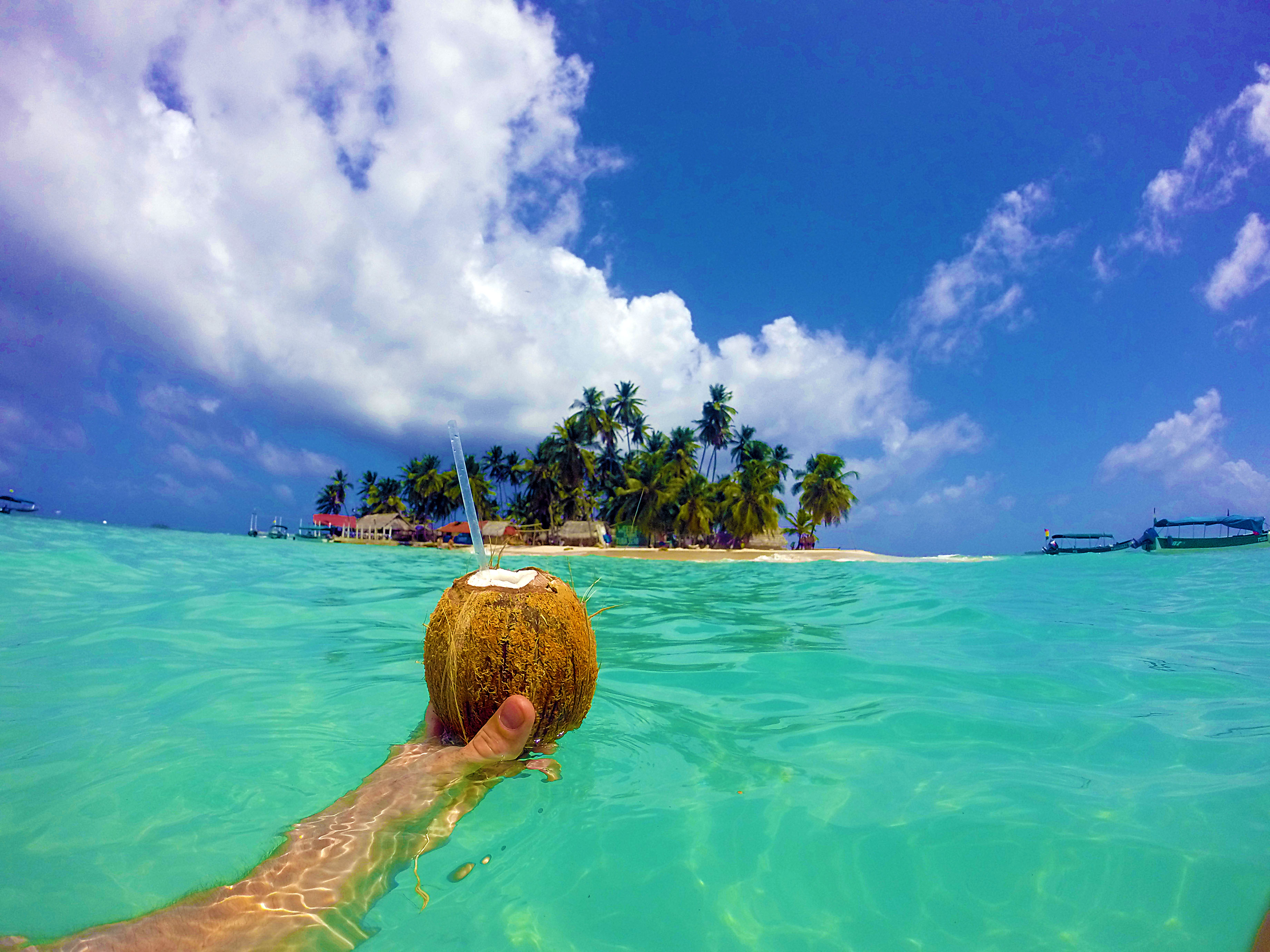
Maintenance at the Chitré Convention Center also points to a broader strategy of spreading tourism and event activity beyond Panama City. Regional convention spaces can support fairs, meetings and cultural events in provincial capitals, helping local economies capture more spending and reducing reliance on the metro area alone. Public investment in tourism and infrastructure often has effects that reach beyond the immediate project sites. Road upkeep can improve access for residents and visitors alike, while well-maintained public facilities can strengthen confidence among event organizers, tour operators and travelers. For provinces such as Bocas del Toro and Herrera, these works can help sustain the visitor economy that many small businesses depend on.
The allocation also fits a familiar pattern in Panama’s development agenda: pairing transport improvements with tourism assets that can generate long-term economic activity. As the country continues to position itself as a regional hub for business, logistics and leisure, maintaining the assets that support those sectors remains central to that effort. What to watch next is how quickly these funds are put into execution and whether the projects translate into visible improvements for visitors and local communities. In Panama, the value of tourism spending is often measured not only by new attractions, but by the condition of the roads, trails and venues that make those destinations usable in the first place.