The Economic Empire of the Cuban Dictatorship: GAESA the Lawyers and the Panamanian Footprint
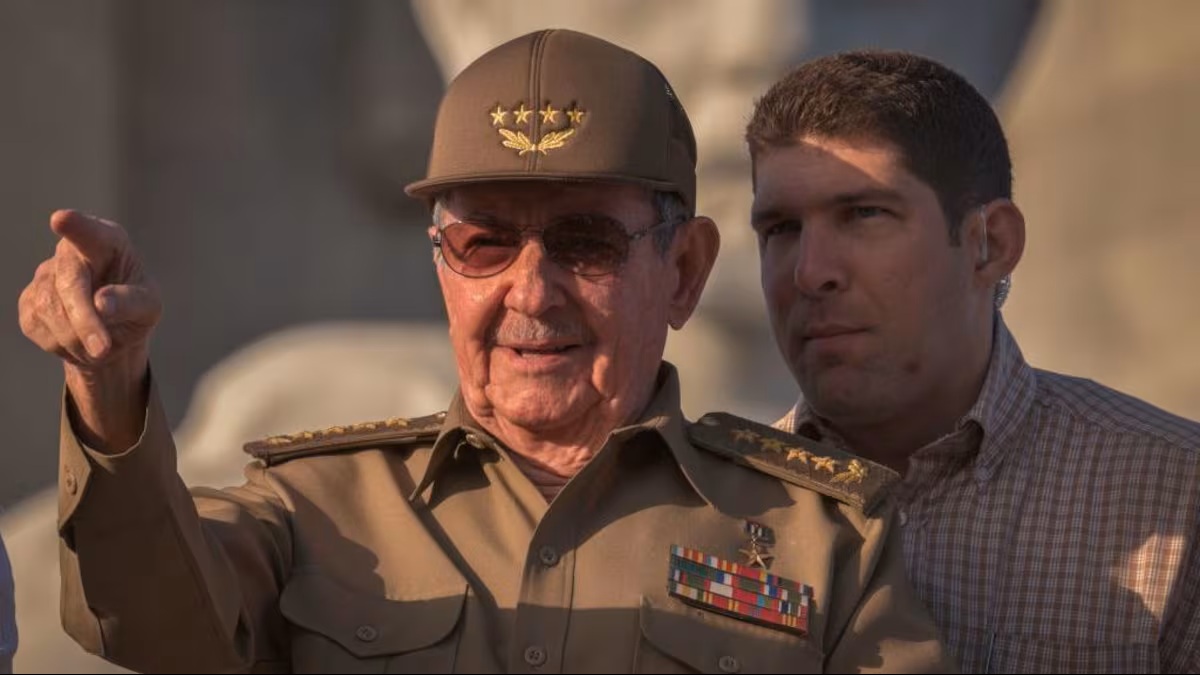
Pictured below is Raúl Castro with his grandson and bodyguard Raúl Guillermo Rodríguez Castro, known as “El Cangrejo” (The Crab), whom experts link to GAESA, the most powerful entity in Cuba controlling virtually all services and activities on the island.
GAESA (Grupo de Administración Empresarial S.A.) is the secretive, military-run conglomerate that controls roughly 40% to 70% of Cuba’s economy, including the island’s most lucrative tourism, banking, and remittance sectors. The conglomerate—which held over $14 billion in liquid reserves while the Cuban civilian population faces severe shortages—uses Panamanian shell companies and sympathetic legal intermediaries to obscure its true ownership, evade the U.S. embargo, and siphon wealth to regime elites.
The Architecture of the Empire
GAESA was created in the 1990s as the economic survival plan for the Cuban Revolutionary Armed Forces following the collapse of the Soviet Union. It has since grown into an oligarchic “mafia state” apparatus ruled from the shadows:
- Asset Hoarding: Leaked documents reveal GAESA holds an estimated $18 billion in global assets, including massive foreign currency reserves stashed in offshore accounts.
- Corporate Monopolies: Through sprawling umbrella holdings like CIMEX and Gaviota, it controls hundreds of supermarkets, money-transfer businesses (FINCIMEX), and the island’s most exclusive hotels.
- No Oversight: GAESA is entirely exempt from auditing by Cuba’s Central Bank and the Office of the Comptroller General, essentially operating as a closed, private military extraction engine.
The Panamanian and Global Footprint
To circumvent U.S. sanctions and conceal its capital, Cuba’s military apparatus relies on a web of offshore jurisdictions, with Panama serving as a critical strategic hub.
- Front Companies: Major arms of GAESA, including Corporación CIMEX, S.A. and FINCIMEX, have been incorporated directly in Panama.
- The Panama Papers: The massive leak from law firm Mossack Fonseca highlighted how Cuban state officials and entities historically utilized Panamanian incorporation—working with intermediaries in places like Switzerland and the British Virgin Islands—to disguise the military ownership of international shipping, trading, and coffee export firms.
The Role of Regime Insiders and Intermediaries
The enforcement and growth of this financial empire are heavily guarded by elite insiders:
- The Castro Family: Until his death in July 2022, GAESA was expertly orchestrated by Luis Alberto Rodríguez López-Calleja, former son-in-law of Raúl Castro.
- “El Cangrejo”: Following López-Calleja’s death, his son, Raúl Guillermo Rodríguez Castro (Raúl Castro’s grandson and chief bodyguard), known as “El Cangrejo,” emerged as a pivotal figure in both the security apparatus and covert business discussions, ensuring the empire remains firmly in family hands.
- Foreign Law Firms & Counsel: To navigate the complex web of compliance and secrecy, Cuban state entities routinely hired foreign lawyers—such as Swiss intermediary Albert-Louis Dupont Willemin—to serve as directors and legal representatives for their front companies in offshore tax havens.
Recent Developments and Sanctions
The international spotlight on GAESA has intensified due to the exposure of its massive hoarded wealth alongside widespread shortages in Cuba. The United States has expanded targeted sanctions to isolate GAESA’s remaining international partners, making the conglomerate’s financial activities a major focal point in U.S.-Cuba policy.
You can read more about the U.S. Treasury’s specific designations of Panamanian-incorporated GAESA entities on the U.S. Department of the Treasury archive. For deeper analysis on how GAESA controls these financial pipelines, see the Journal of Democracy coverage on Cuba’s transition into a mafia state.