How to Pick the Perfect Corner Bathroom Vanity?
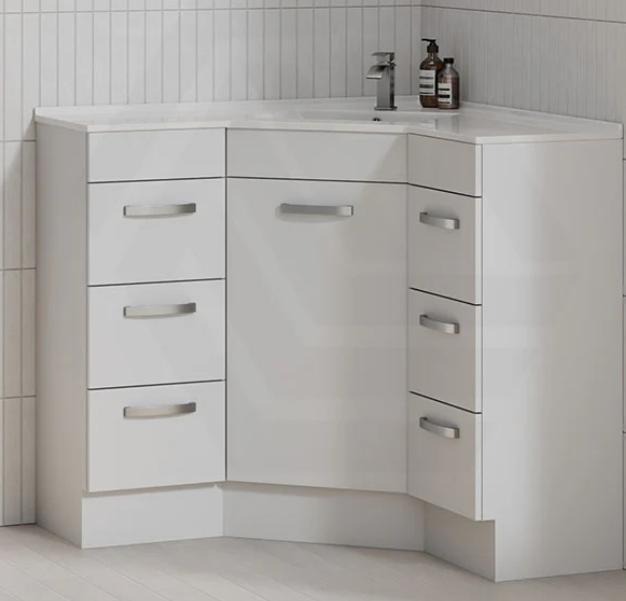
A corner bathroom vanity solves two problems at once: it saves floor space and adds much‑needed storage. You can tuck it into an unused corner and instantly make a small bathroom feel bigger and more organised. The right design also turns an awkward layout into a feature, especially when you pair it with a stylish basin and a clean, modern finish. Many homeowners now choose options like a gloss white corner vanity with a freestanding kickboard cabinet and soft‑close doors. This type of unit hides clutter, protects plumbing, and creates a seamless look. To get the best result, you need to plan carefully before you buy.
What Should You Consider When Choosing a Corner Vanity?
Measuring Space and Planning Bathroom Layout
Start by measuring the corner where you want to install the vanity. Measure each wall from the corner outwards, then note the width and depth you can use without blocking the door, shower, or toilet. Check how far the door swings and leave enough clearance so it never hits the vanity. Mark the height of any power points, towel rails, and existing plumbing on the wall. Sketch a simple floor plan, including windows and radiators, so you see how the vanity fits the overall layout. Think about how people move through the room. You want enough space to stand at the basin, bend, and open the cabinet doors comfortably without bumping into other fixtures or another person.
Choosing the Right Vanity Size and Dimensions
Once you have your measurements, narrow down vanity sizes that leave at least 60–80 cm of clear standing space in front. Corner vanities often come in compact widths, but depth matters just as much. A slim profile gives more floor room in tight bathrooms. Standard vanity height sits around 85–90 cm, which suits most adults, but you might choose lower if children use the basin often. Check the full footprint, including a freestanding kickboard base, as it will meet the floor and needs level tiling. Make sure doors and drawers can open fully without hitting walls or the shower screen. When in doubt, choose slightly smaller; a neat, well‑proportioned corner unit always looks better than one that feels cramped.
Understanding Plumbing and Installation Needs
Before you order a corner vanity, inspect your plumbing. Note where the water lines and waste outlet come through the wall or floor. A corner unit with a gloss white poly‑marble basin‑top and a single tap hole works well with a standard mixer tap, but you still need the pipework to line up. Check if you have enough depth in the cabinet to house the trap and hoses. If you plan to move plumbing, speak to a licensed plumber and confirm costs in advance. Freestanding kickboard cabinets usually install more easily than wall‑hung units, but they still need a flat, level surface and secure fixing to the wall. Good planning avoids leaks, awkward pipe cuts, and extra labour.
Key Features to Look for in a Corner Bathroom Vanity
Storage Options and Functional Design Elements
Storage should suit how you use the bathroom every day. Look for a corner vanity with a practical internal layout, not just empty space. Shelves and vertical dividers help you stack towels, cleaning products, and spare toiletries neatly. A cabinet with soft‑close doors stops slamming and protects the hinges, which is useful in busy family homes. Freestanding kickboard designs hide the gap under the vanity, so items do not roll underneath and cleaning becomes faster. Check the depth of the shelves so large bottles stand upright. If you share the bathroom, consider adding baskets or labelled boxes inside the cabinet to keep things separate. A simple, well‑organised interior often works better than small, fussy drawers you never use.
Material, Finish, and Durability Factors
Moisture is the real test of any bathroom vanity. Choose materials and finishes that stand up to steam and splashes. A cabinet made from E0 board, which emits very low formaldehyde, offers a healthier option and resists swelling when properly sealed. A 2‑pac, gloss white finish gives a smooth, hard‑wearing surface that wipes clean easily and suits modern bathrooms. Look for solid 16 mm thick backing boards, as they add strength and help the unit stay square over time. Check edges and joints for good sealing to stop water from seeping in. Gloss white surfaces also reflect light, so the room appears brighter and larger. When you compare products, ask about warranties and moisture‑resistance ratings for extra peace of mind.
Sink Types and Countertop Choices Explained
Your choice of basin and countertop affects both style and daily use. Many corner units combine a gloss white poly‑marble basin‑top with the cabinet. Poly‑marble offers a sleek, one‑piece surface with an integrated bowl, which means fewer joins and easier cleaning. A single tap hole suits a mixer tap, giving you simple temperature control and a clean, uncluttered look. If you prefer a vessel basin, you may need a different top and extra height planning. Consider how much counter space you need for soap, toothbrushes, and skincare. Rounded front edges reduce bumps in tight spaces, while raised lips help contain splashes. Check that the basin depth minimises water spray and that the waste position leaves enough storage below.
How to Match a Corner Vanity with Your Bathroom Style?
A corner vanity should blend with your bathroom while quietly improving it. Start by looking at your existing fixtures: tapware, shower frame, and accessories. A gloss white corner cabinet with a 2‑pac finish works well with most styles because it feels fresh and neutral. In a modern bathroom, pair it with chrome or matte black taps and a simple, frameless mirror above. For a coastal or light, relaxed space, add soft colours in towels and natural textures like timber shelves or woven baskets around the vanity. If your bathroom leans more classic, choose rounded hardware and a framed mirror with similar tones. Keep lines consistent: square doors and straight handles suit contemporary spaces, while curved profiles feel softer and traditional. Good lighting above or beside the vanity will highlight the glossy surface and make the corner feel like a key feature, not an afterthought.
Conclusion
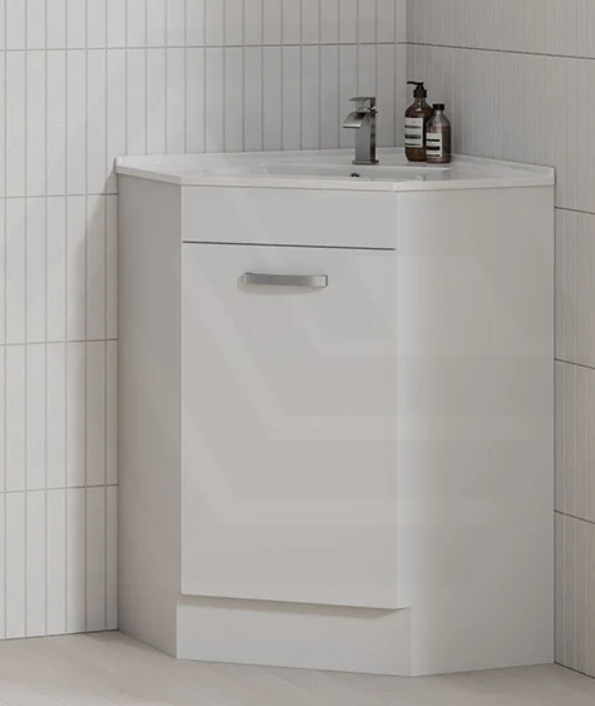
Choosing the perfect corner bathroom vanity comes down to careful measuring, smart layout planning, and honest thinking about how you use the space. When you focus on the right size, reliable plumbing access, and solid construction, you avoid many common installation issues. Features like soft‑close doors, thick backing boards, and a freestanding kickboard cabinet add comfort and durability. A gloss white poly‑marble basin‑top with a 2‑pac, gloss white finish creates a bright, easy‑clean surface that suits many styles. Match the vanity to your tapware and accessories, and you turn an unused corner into a practical, attractive focal point that makes everyday bathroom tasks easier.