What Is a 14-Panel Saliva Drug Test and When Should Employers Use It?
If you are serious about workplace safety, a basic 5-panel urine test may no longer be enough. Drug use patterns have shifted, and the substances showing up in workplace incidents have changed too. Prescription opioids, synthetic drugs, and newer substances are increasingly part of the picture – and most standard panels do not catch them. That is where the 14 panel drug test comes in. It offers the broadest available oral fluid screening in a single swab, combining comprehensive coverage with the speed and convenience of on-site testing. For employers who want thorough results without sending workers to a clinic, this test is worth understanding.
What Is a 14-Panel Saliva Drug Test?
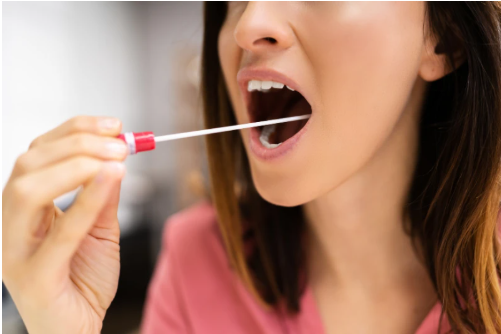
A 14 panel saliva drug test is an oral fluid screening that checks for 14 different drugs or drug classes in one test. Rather than collecting a urine sample, the test uses a swab placed inside the cheek or under the tongue to collect a small amount of saliva. Results from a rapid kit are typically ready within five to ten minutes, and the entire collection process can be carried out on-site by a supervisor.
The 14-panel format is the most comprehensive option available for oral fluid testing. Most standard workplace programs use 5 or 10-panel tests. The 14-panel version screens for everything those tests cover, plus additional prescription medications and substances that are becoming more common in high-risk industries.
What Does a 14-Panel Saliva Drug Test Screen For?
This is where the 14 panel saliva drug test earns its value over narrower panels. A typical 14-panel screen covers the following substance categories:
The 14 Panels at a Glance
Marijuana (THC) – the most frequently detected substance in workplace testing. Cocaine – detectable in oral fluid within hours of use. Amphetamines – including prescription stimulants used without a valid reason. Methamphetamine – a growing concern in construction, transport, and manufacturing. Opiates – including heroin and codeine. Oxycodone – a prescription painkiller with significant misuse potential. Benzodiazepines – widely prescribed anti-anxiety medications. Buprenorphine – used in addiction treatment programs but also subject to misuse. Methadone – another treatment substance that appears in broader workplace screens. Barbiturates – older sedatives still misused in certain settings. Phencyclidine (PCP) – screened for in safety-sensitive and high-risk roles. MDMA (Ecstasy) – increasingly present in workplace-related cases. Tricyclic Antidepressants (TCA) – prescription medications with misuse potential. Propoxyphene (PPX) – a synthetic opioid pain reliever.
Some versions of the 14 panel saliva drug test also include fentanyl or synthetic cannabinoids (K2/Spice) as extended panels, depending on the kit and the employer’s needs.
How a Saliva-Based 14-Panel Test Differs From Urine Testing
Most employers are familiar with urine-based 14-panel tests. The saliva version works differently in ways that matter for workplace programs.
Detection Window
Urine tests can detect drug use days or even weeks in the past. Oral fluid testing has a shorter detection window – typically 24 to 72 hours – which makes it more useful for identifying recent use. In most workplace situations, especially post-accident and reasonable suspicion testing, recent use is exactly what you need to know about.
Sample Collection
Urine collection requires a private room, a trained collector, and protocols to prevent tampering. With a saliva-based 14 panel drug test, the sample is collected directly in front of the administrator. There is no private space, no unsupervised time, and no realistic opportunity for the sample to be swapped or diluted. This makes oral fluid collection significantly more reliable in practice.
On-Site Practicality
Saliva tests can be administered anywhere – on a job site, in an office, or in the field. Urine testing almost always requires a dedicated collection facility or clinic visit. For employers managing remote locations, contingent workers, or time-sensitive situations, the ability to test on the spot is a practical advantage that urine testing cannot match.
Key Benefits of the 14-Panel Saliva Drug Test for Employers
Comprehensive Coverage in One Swab
Running separate tests for different substance groups wastes time and money. The 14 panel saliva drug test screens for the full range of commonly misused drugs and prescription medications in a single collection – including substances that standard 5, 10, and 12-panel tests miss entirely.
Fast, On-Site Results
Rapid oral fluid kits deliver preliminary results in five to ten minutes. There is no need to wait for a lab turnaround for initial screening. If a result is positive, you send it for laboratory confirmation – but the first answer comes fast, which matters when you need to make a quick safety call.
Tamper Resistance
Because the sample is collected under direct observation, it is far harder to cheat than a urine test. Employees cannot dilute saliva on demand, and there is no window of unsupervised time for substitution. This makes the results more trustworthy, especially in post-incident situations where the stakes are high.
When Should Employers Use a 14-Panel Saliva Drug Test?
Pre-Employment Screening
For safety-sensitive roles, a 14 panel saliva drug test gives you the most complete picture of a candidate before they join your team. The broader panel means you are not hiring someone who would pass a narrower test but is actively misusing a substance outside the standard categories.
Post-Accident and Reasonable Suspicion Testing
After a workplace incident, time is critical. A saliva-based 14-panel test can be administered immediately, on the spot. The short detection window aligns perfectly with post-accident needs – you want to know if the person was impaired at the time, not whether they used something last month. The same logic applies when a supervisor has reasonable suspicion of impairment.
Random Drug Testing Programs
For ongoing random testing, oral fluid testing removes the logistical burden of urine collection while still providing comprehensive coverage. One test, one swab, 14 substances screened – no clinic appointments, no dedicated facilities, no disruption to the working day.
High-Risk Industries
Some industries have a genuine need to screen beyond the standard panels. Construction, transportation, healthcare, manufacturing, and security services all involve roles where impairment can cause serious harm. In these environments, the 14 panel saliva drug test provides the coverage needed to manage that risk responsibly.
Legal and Compliance Considerations
Before implementing a 14 panel saliva drug test program, make sure the following are in place:
Have a written policy that specifies which panel is being used, when testing applies, and what a positive result means for employment. Communicate this policy to all employees before testing begins. Always follow up a positive rapid result with laboratory confirmation – on-site tests are preliminary screens, not final determinations. Check your state and local regulations, as rules around employee drug testing and consent vary. Apply testing consistently across similar roles to avoid discrimination claims.
Is a 14-Panel Saliva Drug Test the Right Choice for Your Business?
Not every employer needs 14 panels. If your workplace is low-risk and you are meeting basic compliance requirements, a simpler panel may be sufficient.
But if you operate in a safety-critical environment, have seen substance-related incidents, or want to stay ahead of emerging drug trends like fentanyl and synthetic cannabinoids, the 14 panel saliva drug test gives you the coverage and speed to do that. It is the most thorough oral fluid screen available, and it removes most of the logistical complexity that comes with urine-based programs. For employers who want to run a serious, practical, and tamper-resistant drug testing program, it is a strong option worth considering.