A 2026 Reforestation Program to Restore Degraded Land has been Launched in Panama
Panama’s Ministry of Environment has launched its 2026 Reforestation Program with a goal of recovering more than 1,000 hectares of degraded land across the country. The effort is aimed at strengthening the protection and preservation of native species while helping restore damaged ecosystems. The initiative places reforestation at the center of broader environmental recovery work in Panama, where forest loss and land degradation can affect water sources, biodiversity, and soil stability. By focusing on native species, the program is designed to support the ecological balance of the areas targeted for recovery. Using native trees and plants is a key part of sustainable reforestation because these species are adapted to local conditions and provide food and habitat for wildlife.
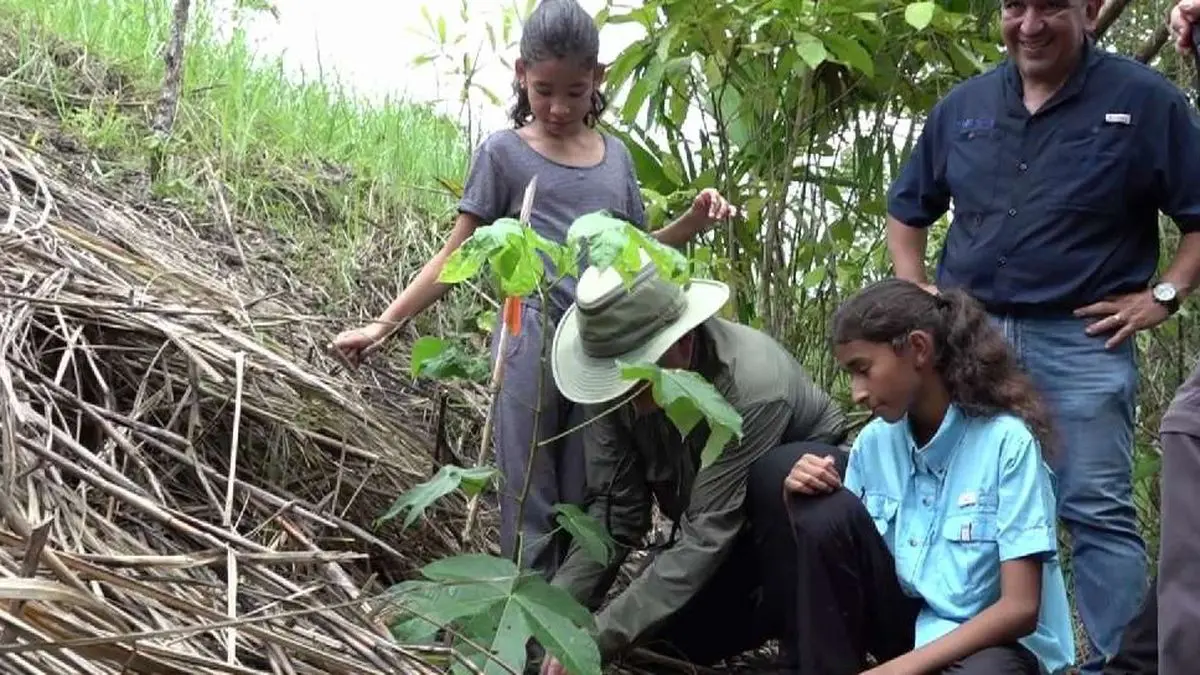
Reforestation with native vegetation also helps improve the long-term resilience of restored areas, making them more likely to regenerate naturally over time. In a country with rich biodiversity and a wide range of ecosystems, restoration projects can play an important role in protecting habitats and reducing the impact of environmental degradation. The recovery of more than 1,000 hectares marks a significant step in that direction. Reforestation efforts can deliver several benefits beyond tree planting. Restored forests help capture carbon, protect watersheds, and reduce erosion in vulnerable areas.
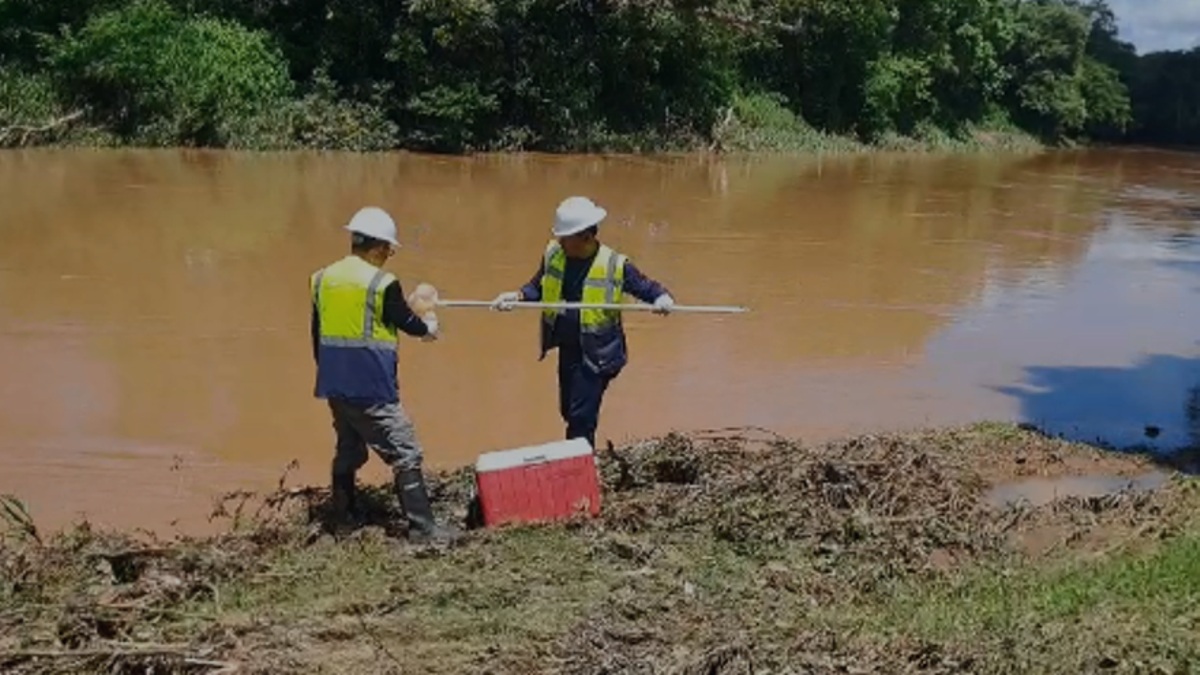
They can also support rural communities by improving land productivity and protecting natural resources that are important for agriculture and daily life. For Panama, programs like this connect conservation with practical land management. The emphasis on degraded areas suggests a focus on places where environmental damage has already occurred, making restoration an important part of the countries broader environmental agenda. The 2026 program reflects a continuing effort to rebuild forest cover and promote the conservation of native species across Panama. If carried out at scale, the initiative could contribute to healthier ecosystems and stronger environmental protection in the years ahead.