Curbing the Crisis at IDAAN: The Postponed Discussion of Governance
IDAAN was created through Law 98 of 1961, and was reorganized through Law 77 of 2001. This entity that was conceived as a corporation gradually lost financial and administrative independence, and political costs have prevented the creation of a tariff structure that meets its needs.
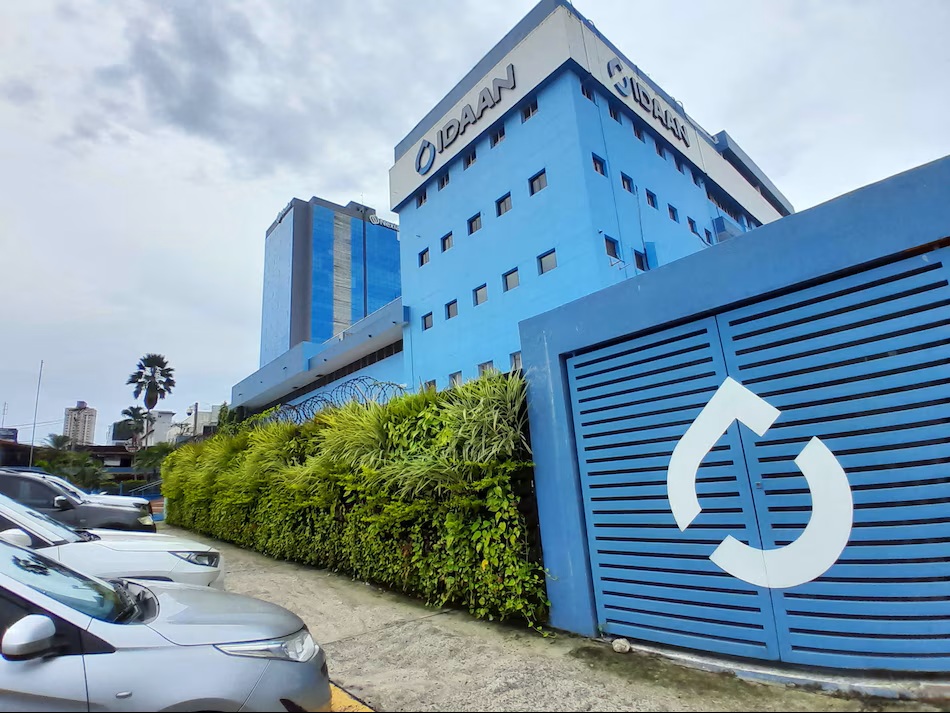
There does not appear to be a single cause that can explain the progressive deterioration in the service provided by the National Water and Sewerage Institute known as IDAAN. However, it is valid to point to what a group of specialists calls the root cause. In the case of this autonomous institution, that root cause would be a lack of governance which holds an organization accountable—a governance that is addressed as a matter of state and national security.
That is not all the Citizen Initiative points out regarding governance. They detail that in Panama there are at least 15 institutions with varying degrees of direct responsibility in the three systems under the jurisdiction of IDAAN. There is the raw water, drinking water, and wastewater; and there are private concessions granted by the Public Services Authority for drinking water and sanitation; and there is the Sanitation Program, as well as watershed committees and rural aqueduct management boards.
IDAAN (Instituto de Acueductos y Alcantarillados Nacionales) in Panama faces major challenges including inconsistent water supply, chronic rationing (especially in the dry season), and poor water quality in areas like Azuero. Aging infrastructure, significant leakage, high operating costs, and reliance on water trucks in the capital and other areas are key issues affecting customers.
Usage Examples & Examples of Problems
- Water Scarcity & Quality: Residents in Azuero (Chitré, La Villa, Guararé, Las Tablas) report water that is not safe to drink, with contaminants, leading to high spending on bottled water.
- Frequent Service Cuts: Over 100,000 users in Santiago, Veraguas, have faced service interruptions due to electrical issues in treatment plants.
- Infrastructure Failures: Massive leaks, such as those in Don Bosco (135+ leaks), lead to low water pressure and long service interruptions.
- Inadequate Sewage Treatment: Direct discharge of raw sewage into rivers occurs during system failures, for example, in Panama East.
- Seasonal Inadequacy: Increased tourism during the dry season results in water shortages in areas like Isla Colon, Bocas del Toro, where water often fails to reach homes.
Synonyms & Descriptors of IDAAN Issues
- Systemic Failure: Often described as inefficient or plagued by, “improvisation, politicking, and clientelism”.
- “State Pet Cash” (Petty Cash): Refers to accusations that the institution is managed for political rather than public benefit.
- Low-Quality Infrastructure: Descriptions include “deplorable state” of pipes, causing chronic leakage.
- Contamination Risks: Presence of “Biofilm” and other pollutants in the water supply.
Key Causes
- Aging Infrastructure: Pipes and treatment systems are decades old, leading to frequent breakdowns.
- Financial & Technical Constraints: IDAAN is described as lacking both the financial autonomy and technical staff to handle the growing demand.
- Climate Change: Droughts (dry season) and heavy rainstorms affect the capacity of plants to produce clean water.
Specific Examples of Reported Problems
- Delayed Maintenance: Complaints often involve crews being slow to repair leaks, sometimes taking months, particularly in the capital and neighboring regions.
- High Water Consumption: Accusations of “squandering water” by users, despite systemic supply issues.
- Management Issues: The institution has been plagued with issues resulting in a lack of 24-hour service for many residents.