Unproductive Lands: The Fear Behind the Rejection of the Dam in Río Indio
Environmental law experts say the public, in general, should monitor whether the Panama Canal Authority (ACP) fulfills its promises.
Terminology that some writers have used in ‘Newsroom Panama’ has been called a derogatory term. The word is ‘peasant’. I apologize for that, but it is a term that is in Panama today often. “A peasant is an agricultural laborer or small-scale farmer, with low income and social status. They play a vital role in food production, often working small plots of land. The term comes from the Old French païsant (one from the country) and Latin pagensis (inhabitant of a district),”
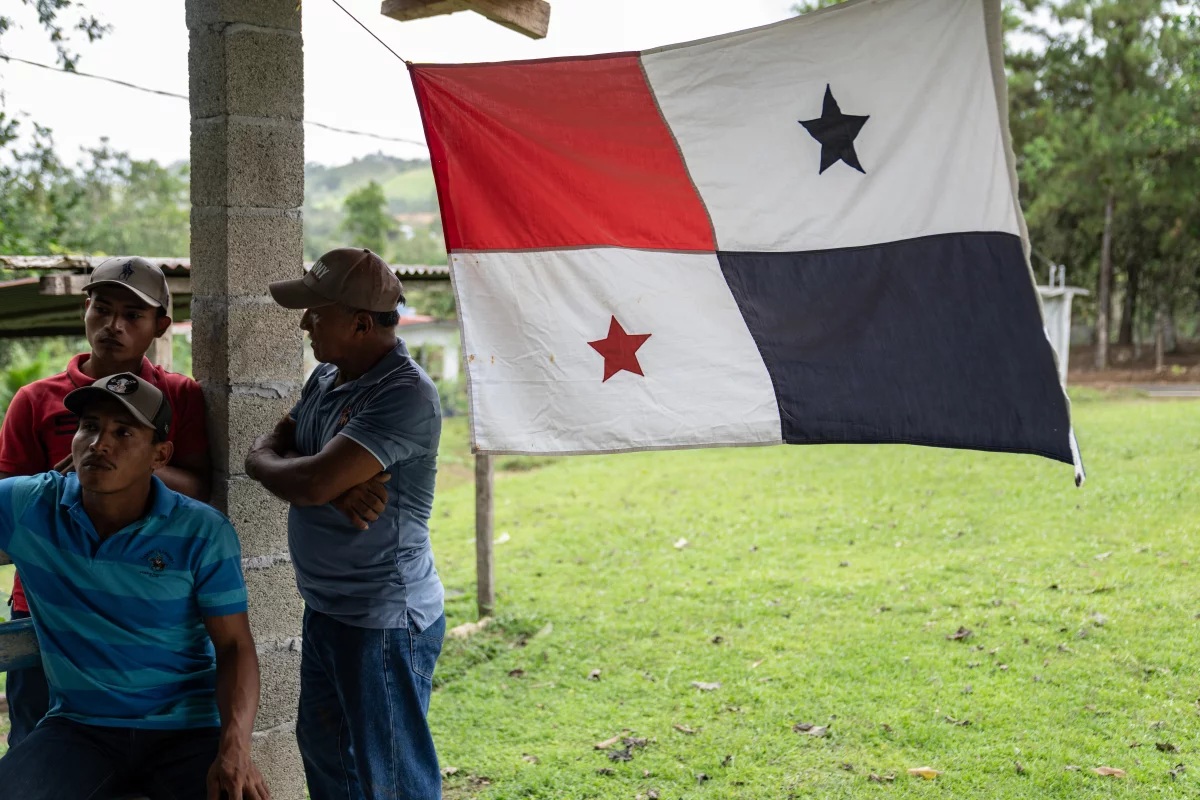
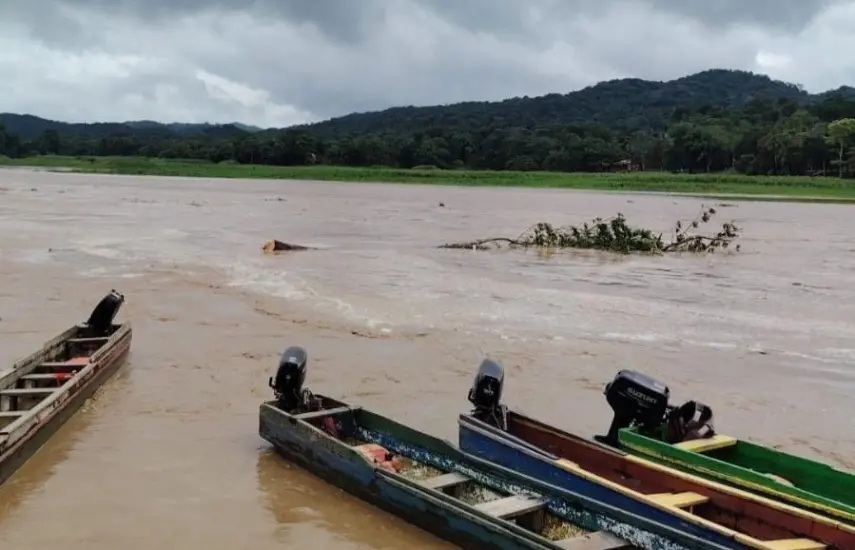
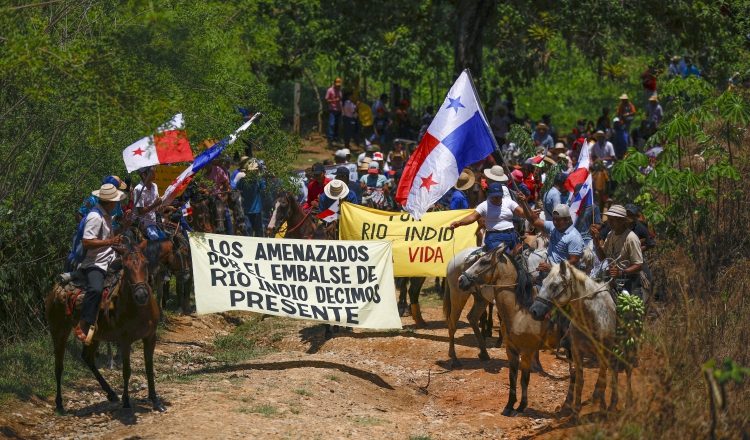
The rejection by peasant communities of the construction of a reservoir on the Indio River is not an attack on the project itself; it stems from their fear of losing fertile land to feed themselves, provide for their families, and survive. They say they feel forgotten by the authorities; therefore, they distrust their promises; this uncertainty is what leads them to oppose the project. Iris Gallardo Bethancourt, a resident of the Guásimo sector of Río Indio in Donoso, Colón province, fears being resettled on land where she “doesn’t thrive” because her main means of subsistence is agriculture; she has been getting her food from the river and its surrounding areas for years and does not want to stop doing so.
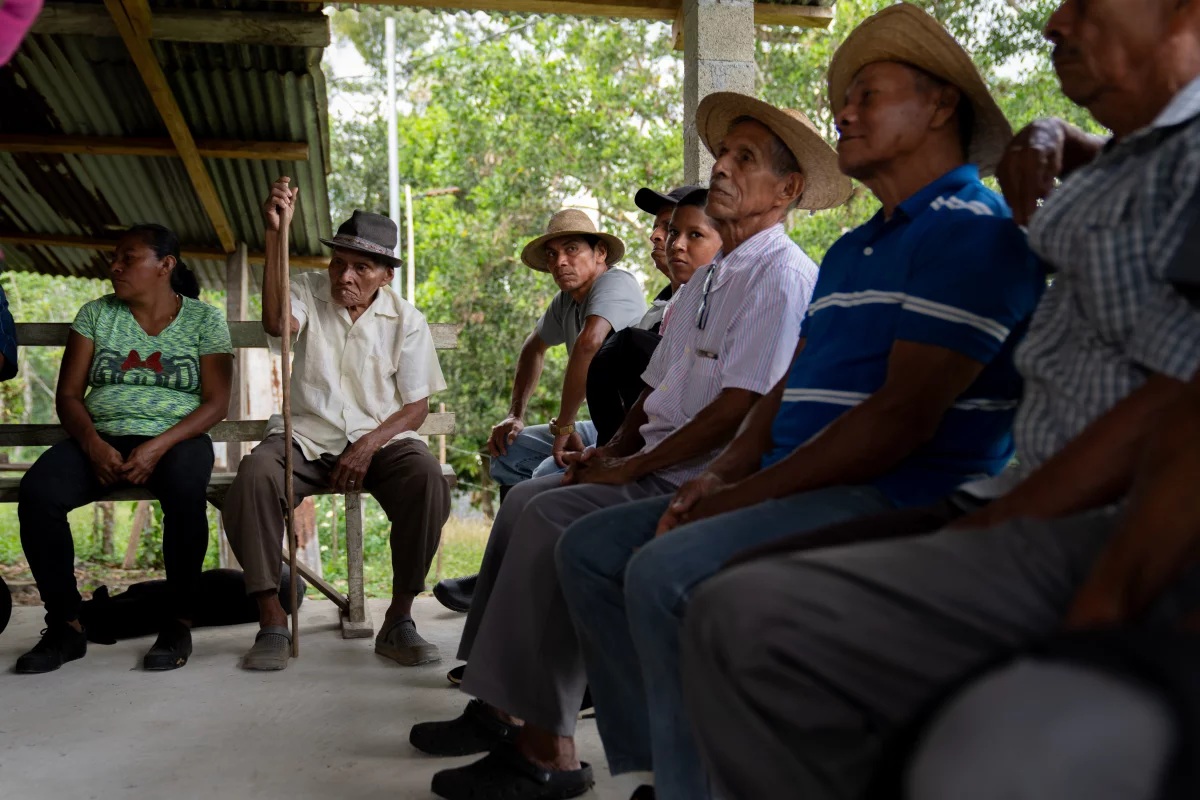
“Those of us who live on the riverbank and in rural areas know how fundamental the productivity of the land is; the river and the land are everything because we live and depend on them,” he said. The resident feels that the authorities are putting her resources and quality of life at risk; therefore, she supports the request of the other communities that demand the project be suspended in order to engage in dialogue, clarify doubts, lay all the cards on the table, and choose the best option for the country.
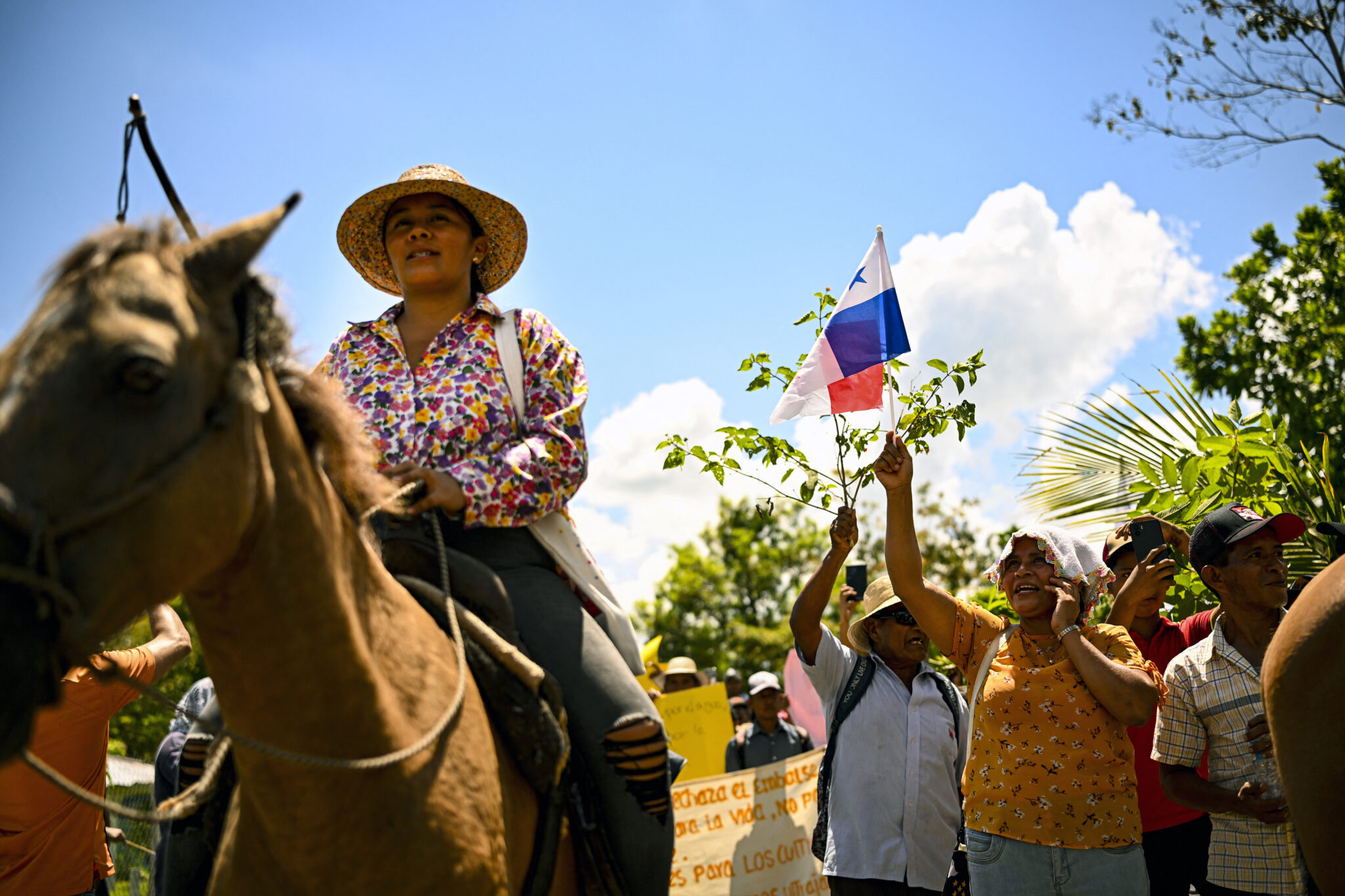
The misgivings of some residents have even led them to oppose the census being conducted by the Panama Canal Authority (ACP) to calculate the number of those affected, because they believe that the statistics will be used to claim that they gave their permission for the resettlements, when this is not the case; 70% disagree with this measure. Gallardo Bethancourt, in that sense, considers that the entity’s data has inconsistencies; while the ACP estimates that 3,200 people will be impacted by the project, the residents’ estimate amounts to 13,000, a difference of 9,800 citizens.
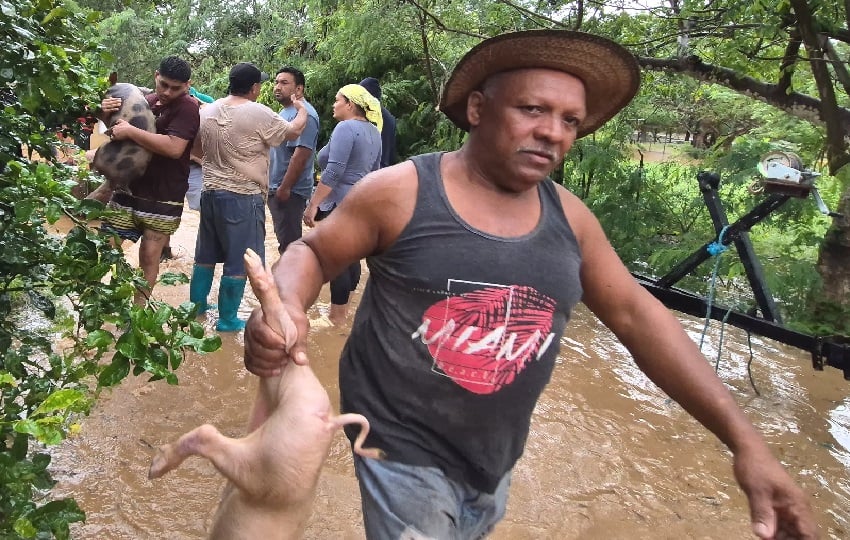
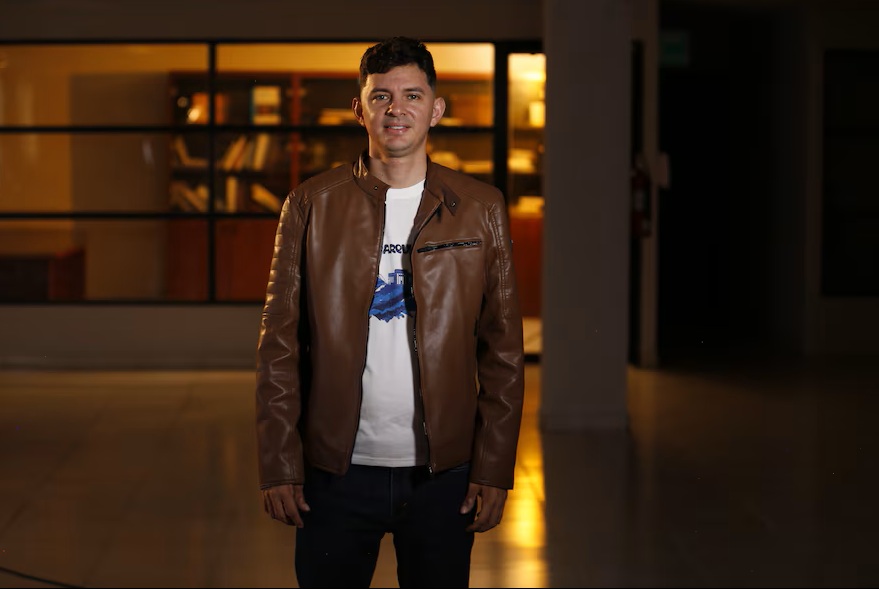
Given this scenario, Jorge Rodríguez, a resident of the northern part of Coclé and a member of the United for Life Peasant Movement, suggests that the authorities evaluate other options such as Lake Bayano, not only because of the amount of water it has, but also because the construction time and cost compared to the Indio River is below 600 million dollars. He is concerned that the Indio River does not have enough flow to supply the Canal, much less the population, and that there is renewed talk of building reservoirs to the detriment of the country’s tributaries and future generations. He argued that the group he represents perceives that the project, rather than solving the water problem, prioritizes global trade and service at the expense of their lives, work, survival, and food.
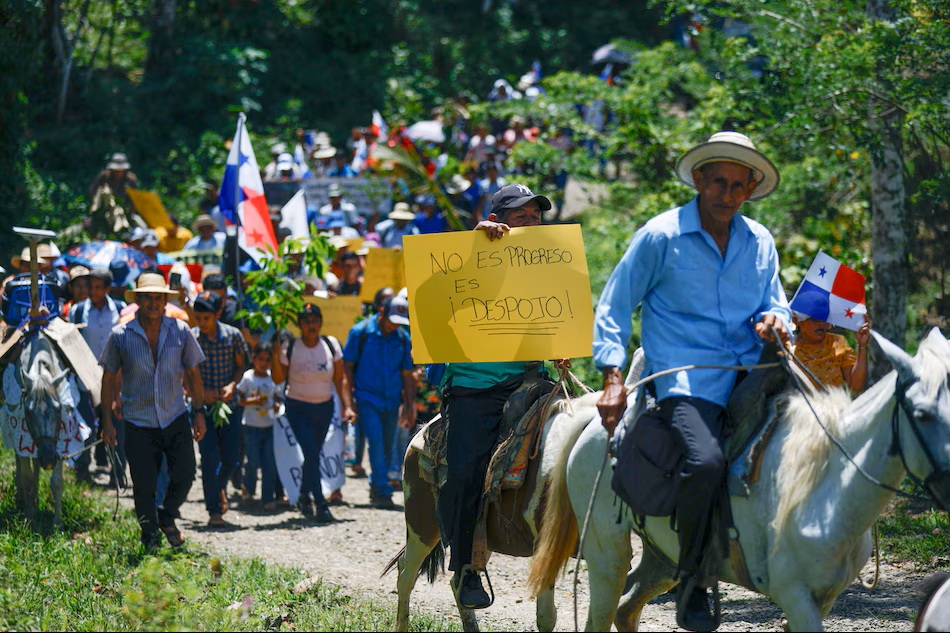
“These projects are designed to raise money and accumulate wealth; the distribution, as always, ends up in the hands of a few, while the people suffer the real consequences,” he stated. Rodríguez is part of the group of Panamanians who do not see any of the benefits of the interoceanic waterway; therefore, he questions the reservoir’s profitability for the nation. He mentioned that the millions of dollars the Panama Canal Authority (ACP) delivers annually to the National Treasury do not reach his community; they still travel on muddy roads, lack sufficient medical personnel, and the educational infrastructure is in poor condition.
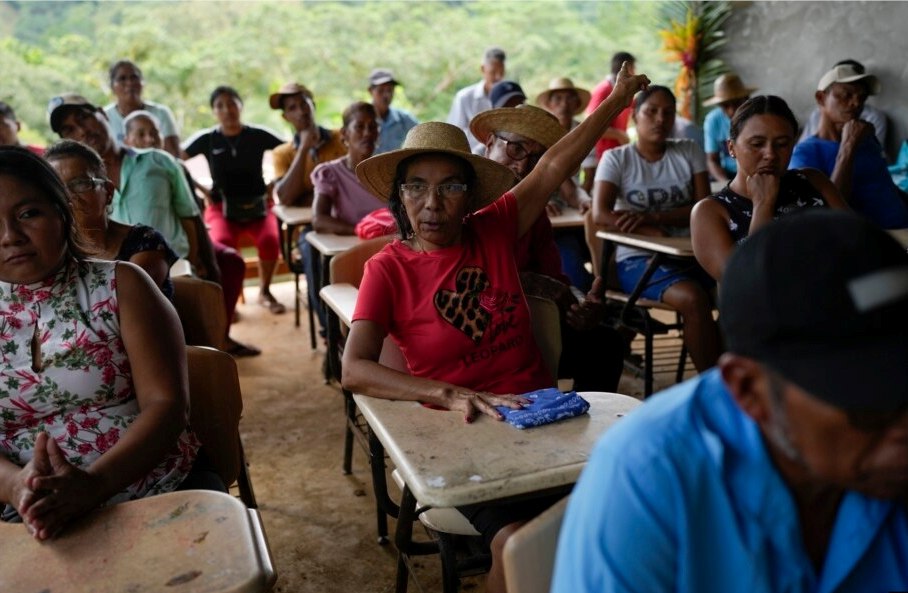
A peasant is a pre-industrial agricultural laborer or small-scale farmer, historically often a serf or tenant living under feudalism with low income and social status. They played a vital role in food production, often working small plots of land. The term comes from the Old French païsant (one from the country) and Latin pagensis (inhabitant of a district), emerging around the 15th century.
Usage Examples
- Historical: “In medieval Europe, 90–95% of the population consisted of peasants working the land”.
- Economic/Global: “Many peasant farmers in developing nations face challenges in securing land rights”.
- Colloquial (insulting/joking): “I can’t believe you don’t have a microwave, you peasant!”
- Culinary: “Peasant cooking” or “peasant pie” refers to rustic, hearty food using simple ingredients.
Synonyms
- Common: Farmer, agriculturalist, laborer, crofter, rustic.
- Historical: Serf, villein, tenant, hind, tiller of the soil.
Origins
The term comes from the Old French païsant (one from the country) and Latin pagensis (inhabitant of a district), emerging around the 15th century.