Panama Thursday Sessions with President Mulino are Always Informative. Today: China Ship Detentions; Extra Sessions; and a Pause on Bioethanol
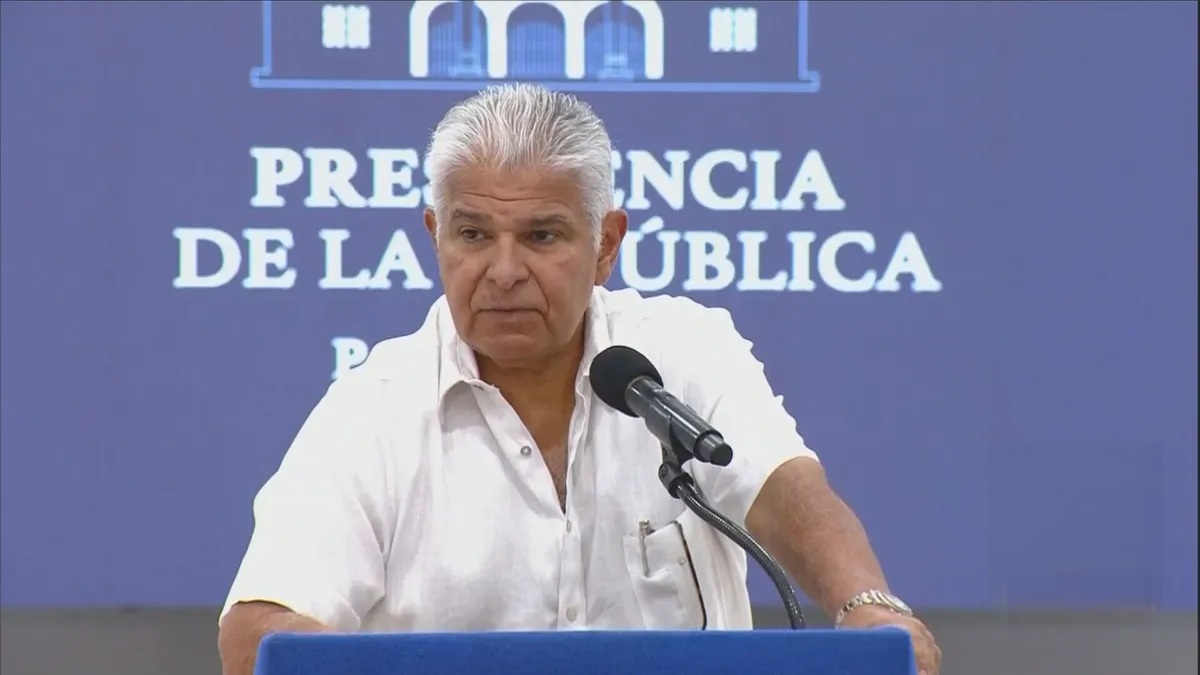
President José Raúl Mulino used his weekly press conference to address several national issues, including the retention of Panamanian-flagged vessels in ports in China, the call for extraordinary sessions in the National Assembly, and the suspension of debate on the bioethanol bill. The briefing also covered other topics of public interest, reflecting the administration’s current legislative and maritime priorities. One of the main points was the situation involving vessels sailing under the Panamanian flag that have been retained in Chinese ports.
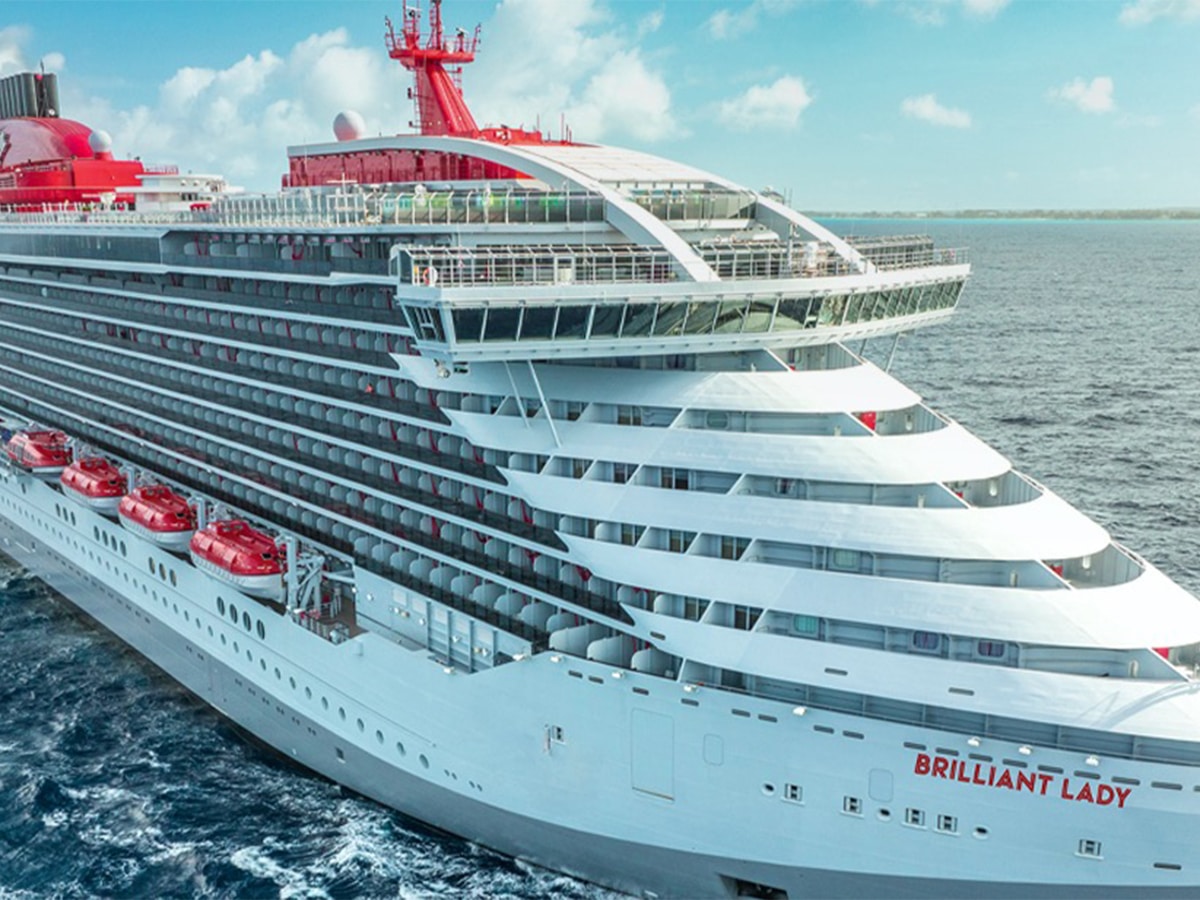
The issue is significant because Panama operates one of the world’s largest ship registries, and developments affecting flagged vessels can have implications for international shipping, port operations, and the country’s maritime reputation. As a global shipping hub, Panama closely watches any matter involving vessels registered under its flag, especially when it involves major trading nations and port authorities abroad. Mulino also spoke about the call for extraordinary sessions in the National Assembly.
Such sessions are generally used to advance priority legislation or handle matters the executive branch considers urgent for the country. The legislative calendar remains an important part of the government’s agenda, especially when debates touch on economic policy, regulation, and projects with national impact. The president said the discussion of the bioethanol project was suspended. Bioethanol has drawn attention in many countries as part of broader energy and fuel policy discussions, especially where governments are weighing cleaner fuel alternatives and industry regulation.
Any pause in debate suggests the topic remains politically and economically relevant, particularly for sectors that could be affected by changes in fuel standards or energy planning. Mulino’s remarks highlight the range of issues currently shaping Panama’s public agenda, from maritime oversight to legislative action and energy policy. For a country whose economy depends heavily on logistics, trade, and the Panama Canal ecosystem, decisions affecting shipping and regulation can carry broad national implications. The weekly conference continues to serve as a key moment for the president to set priorities and respond to developments affecting the country’s institutions and economy.