Here’s How Fuel Prices are Shaping Up for May 1st: Diesel Goes Down and 95 Octane Goes Up
It’s nozzle roulette. Drivers are buying less fuel, stretching every dollar as far as possible.

Fuel prices in Panama will change again this Friday, May 1st. The market continues to be affected by the situation in the Middle East, and this directly impacts people’s wallets. Not all fuels will follow the same trend: some will decrease, while others will remain virtually unchanged. Engineer Frank González, a hydrocarbons expert, explained that a decrease of up to 40 cents per gallon is expected for some fuels, primarily diesel. However, the situation is different for gasoline. 95-octane gasoline could increase between 7 and 8 cents, while 91-octane gasoline would remain almost the same, with minimal variation.
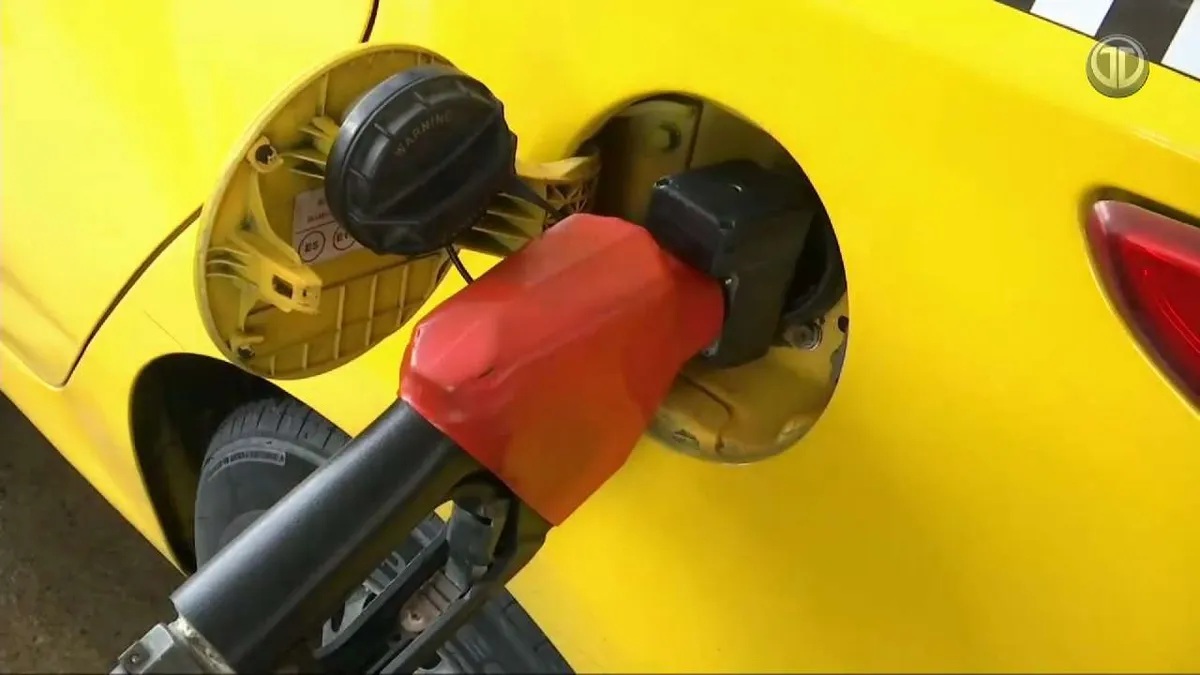
Fuel prices in Panama will change again this Friday, May 1st. The market continues to be affected by the situation in the Middle East, and this directly impacts people’s wallets. Not all fuels will follow the same trend: some will decrease, while others will remain virtually unchanged. Engineer Frank González, a hydrocarbons expert, explained that a decrease of up to 40 cents per gallon is expected for some fuels, primarily diesel. However, the situation is different for gasoline. 95-octane gasoline could increase between 7 and 8 cents, while 91-octane gasoline would remain almost the same, with minimal variation.
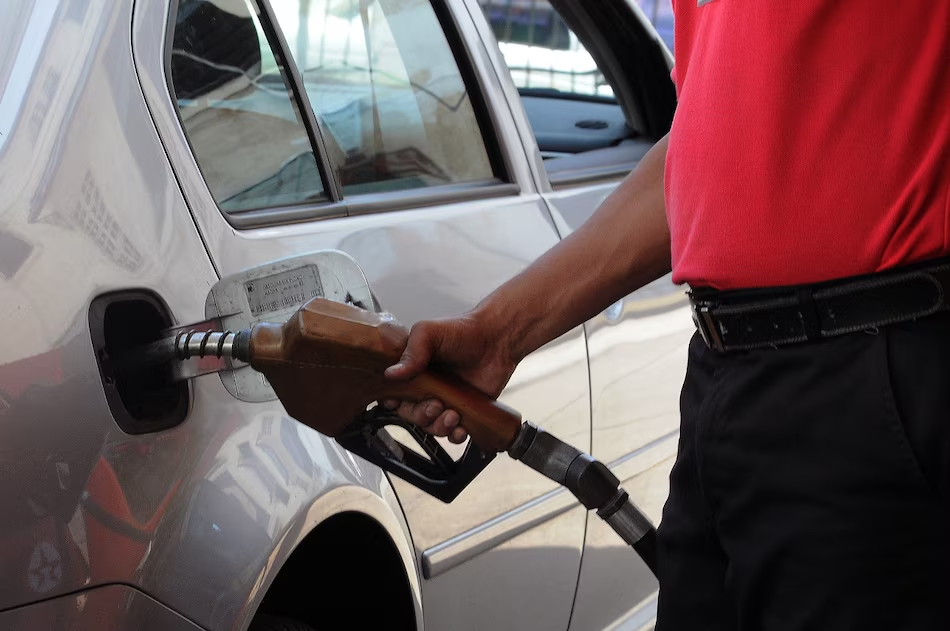
Amid these adjustments, the issue of the subsidy continues to be a major concern. González indicated that the system has been operating regularly, but made it clear that gas stations are waiting to see if the government will make timely payments, as they are caught in the middle of the process. The impact is already being felt on the streets. Drivers are buying less fuel, stretching every dollar as far as possible. The reality is simple: with sustained high prices, money no longer goes as far, and consumption is decreasing.

For his part, the Minister of Economy and Finance, Felipe Chapman, acknowledged that the cost of the subsidy had exceeded expectations. What was initially estimated at around $10 million per month could now surpass $15 million per month, driven by increased spending in transportation, freight, agriculture, and artisanal fishing. The minister admitted that a final figure has not yet been determined, but indicated that spending will be higher. The government will face increased pressure to sustain this relief measures amidst a still uncertain situation.