Some History of Pirate Raids Along Panama and Costa Rica’s Coastline
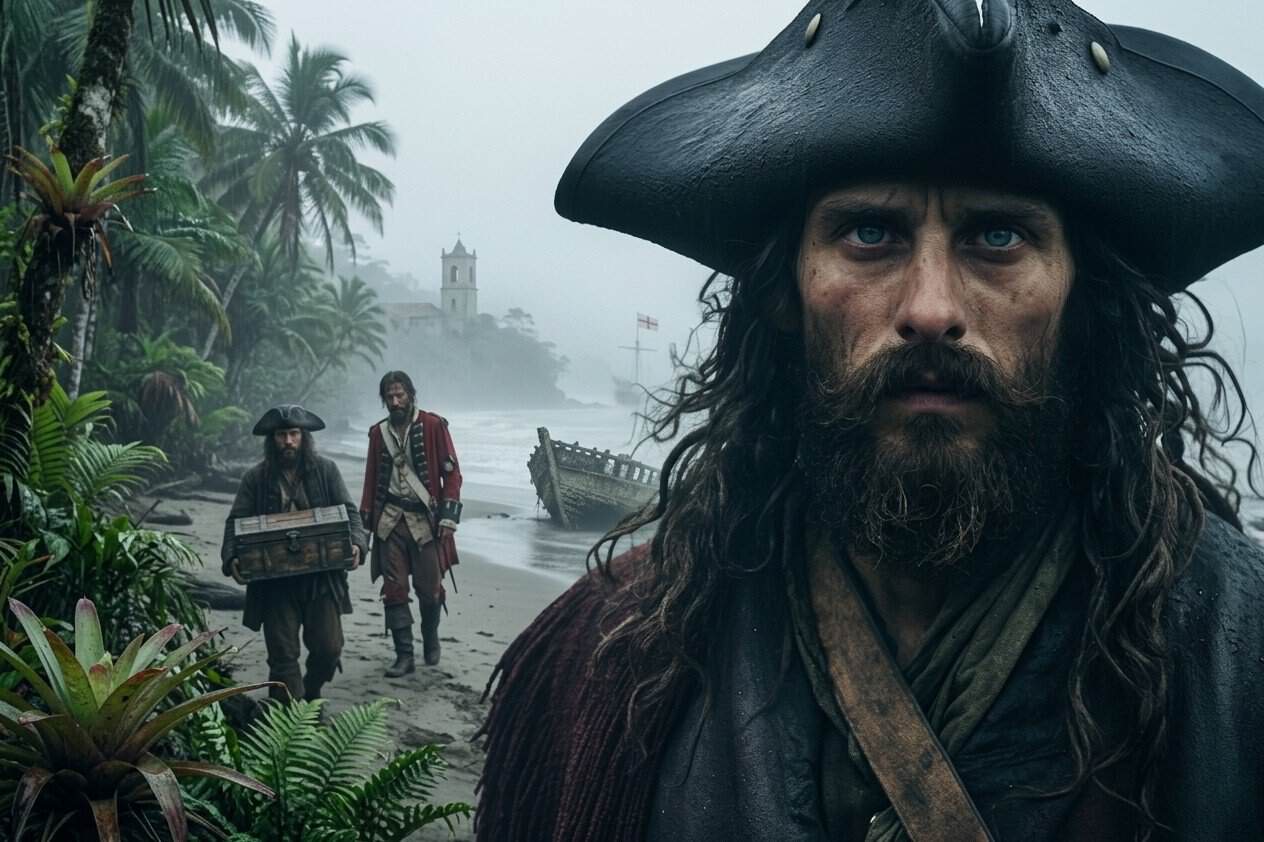
Pirates, primarily 17th-century English buccaneers like Henry Morgan pictured below, terrorized Panama’s Spanish colonies to steal gold and silver traversing the isthmus. Key events include the 1671 destruction of Panama City, which forced the city’s relocation to modern Casco Antiguo. Portobelo was also frequently sacked.
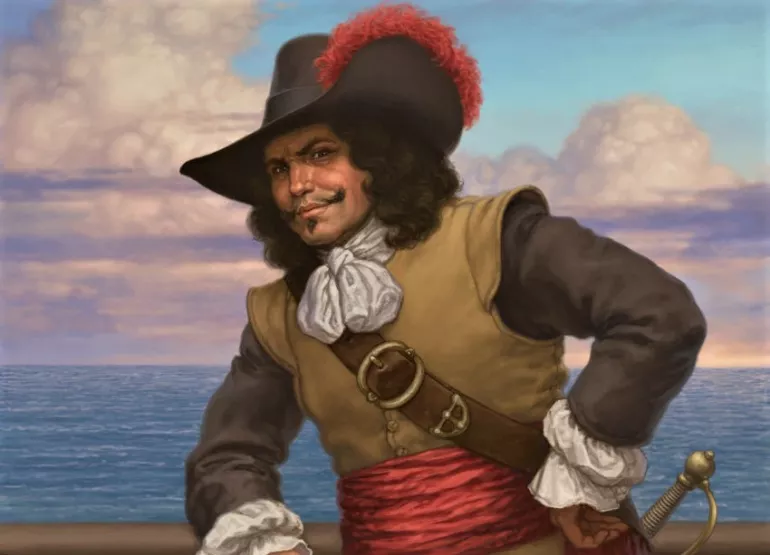
Key Pirate Figures and Actions
- Henry Morgan (1635–1688): A Welsh privateer (licensed pirate) who led 1,400 men to sack Portobelo in 1668 and Panama City in 1671. He was later knighted and became lieutenant governor of Jamaica.
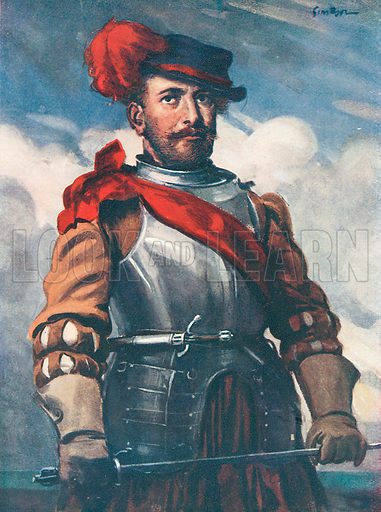
- Sir Francis Drake (pictured below): Early English privateer who operated in Panama and was reportedly buried at sea near Portobelo.
- The Sack of 1671: Morgan attacked Panama City (now Panama Viejo) from the Caribbean, crossing the jungle to attack the Pacific coast. The city was destroyed by fire.
Main Targets
- Panama City (Panama Viejo): The main Pacific port for Spanish treasure.
- Portobelo: A heavily fortified Spanish stronghold on the Caribbean coast where gold was shipped to Spain.
- Castillo de San Lorenzo el Real: A fort at the mouth of the Chagres River.
Legacy
- Casco Antiguo: Panama City was rebuilt in this location, a peninsula designed to be easier to defend against further attacks.
- Ruins: The ruins of the original city (Panama Viejo) and the Portobelo fortresses are now historical sites.
- Legends: Stories of buried treasure still persist in Panama’s coastal areas and jungles.
Long before Panama and Costa Rica became synonymous with a canal and cloud forests and wildlife reserves, its coastlines were contested territory in one of history’s most dramatic power struggles. During the sixteenth, seventeenth, and eighteenth centuries, the country’s remote bays, dense jungles, and exposed river mouths made it both a target and a thoroughfare for pirates, corsairs, and privateers operating under the flags of, or in defiance of, Europe’s rival empires. The roots of piracy along Panama and Costa Rica’s shores run directly back to the geopolitics of the Old World.
When Protestant England squared off against Catholic Spain over colonial dominance, the English crown recruited experienced sailors as corsairs, essentially licensed agents of terror against Spanish ships and settlements throughout the Americas. Panama and Costa Rica, known as the Rich Coasts, sat squarely in the path of Spanish trade routes linking South America and Panama to the broader empire. That made it an inevitable destination for those looking to plunder. The first documented pirate attack in Costa Rican waters was recorded in the 1570s at the mouth of the San Juan River, near Barra del Colorado.
The target was significant: the cargo belonged to Costa Rica’s newly appointed Spanish governor, Diego de Artieda Chirinos pictured below, who was sailing with furniture, money, and supplies meant for the colonial capital of Cartago. Pirates stripped the vessel clean, dealing a humiliating early blow to Spanish authority in the region. Not long after that, one of history’s most celebrated privateers made his mark on the Pacific coast. Sir Francis Drake raided a merchant ship bound for Panama in 1579 near what is now called Drake Bay on the Osa Peninsula, a name the bay still carries today.
Drake’s expedition was part of his broader circumnavigation of the globe, during which he systematically harassed Spanish interests along the Pacific coastline of the Americas. His stop in Costa Rica was brief but consequential, signaling that no stretch of the Spanish empire’s territory was beyond reach. For much of the following century, the Caribbean coast of Panama and Costa Rica became a haven for English buccaneers, while the Pacific continued to see its share of raids. The colony was chronically underfunded and poorly defended.
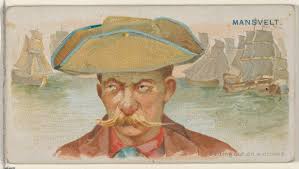
Because Spain largely neglected its Panama and Costa Rican outposts due to its lack of gold, silver, and slave labor, the few settlers had virtually no weapons with which to resist. This vulnerability made the countries an attractive soft target compared to more heavily fortified Spanish strongholds elsewhere in the Americas. The most dramatic episode in Costa Rica’s pirate history unfolded in the 1640s, when the stakes could not have been higher. A pirate army of some 600 men, led by Bartholomew Mansfield, set its sights on Cartago itself, marching inland toward the colonial capital.
The Ticos managed to muster a defense. When the invaders reached the small community of Ujarás, they found themselves outnumbered and were forced to retreat. The near-conquest became a founding legend. Locals attributed their salvation to the Virgin of Pilar, patron of the local church, an event that is still commemorated today. The Caribbean coast faced further incursions in 1666, when English privateers connected to Captain Henry Morgan sailed up the Matina River in one of the most well-documented colonial-era raids. Spanish forces pushed them back, but the attack illustrated how both coastlines were enmeshed in the broader imperial rivalry playing out across the hemisphere.
Resistance was not always mounted by Spanish soldiers alone. In 1684, indigenous communities in Nicoya also helped repel a pirate landing. Together, they successfully repelled the attack, with archers proving far more effective at range than the pirates’ firearms. The threat eventually faded as the geopolitical landscape shifted. England’s focus turned toward its own North American colonies, reducing its appetite for Caribbean raiding, while later figures like Blackbeard were ultimately defeated by a combination of arms and economics. Following Costa Rican independence in 1821, the new government firmly closed the chapter on the pirate era.
What remains today are place names, legends, and the occasional archaeological surprise. Two shipwrecks near Cahuita National Park, long assumed to be the remnants of pirate battles, were recently confirmed through scientific analysis to be Danish slave trade vessels that sank in 1710, a sober reminder that Panama and Costa Rica’s maritime history is still yielding its secrets. The pirates are long gone, but Costa Rica and Panama still bear the marks of the age they defined.