Nearly 3,000 Families Affected when Heavy Rains Hit Indigenous and Northern Panama
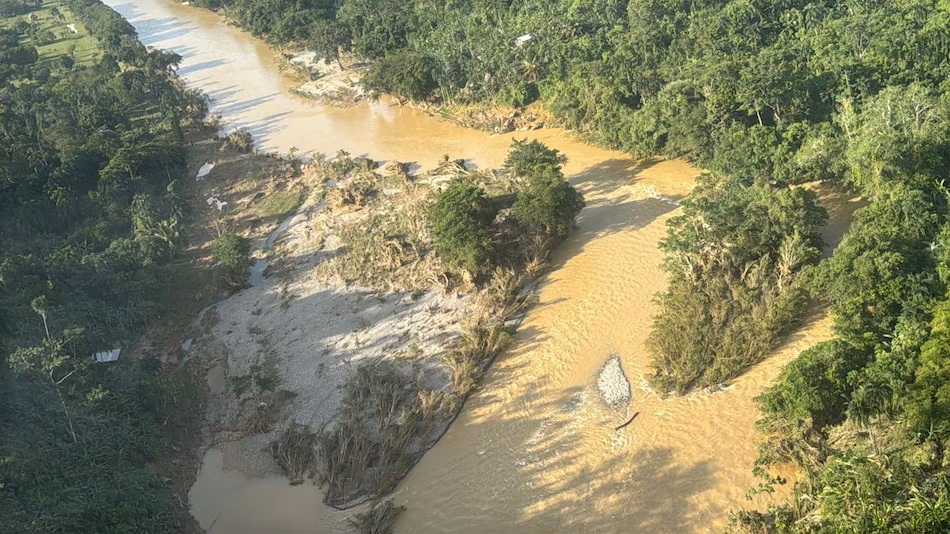
Intense rains across several regions of Panama have left a serious toll, with nearly 3,000 families affected, communities cut off, and the death of a teenager in the midst of floods and river surges. The hardest-hit areas are the Ngäbe Buglé comarca, Bocas del Toro province, and northern Veraguas, where overflowing rivers have affected at least six districts and triggered emergencies in multiple communities. According to the national emergency response system, the weather event developed from a low-pressure system interacting with a trough, creating heavy rainfall and unstable atmospheric conditions over large parts of the country. The preliminary count stands at 2,954 affected families.
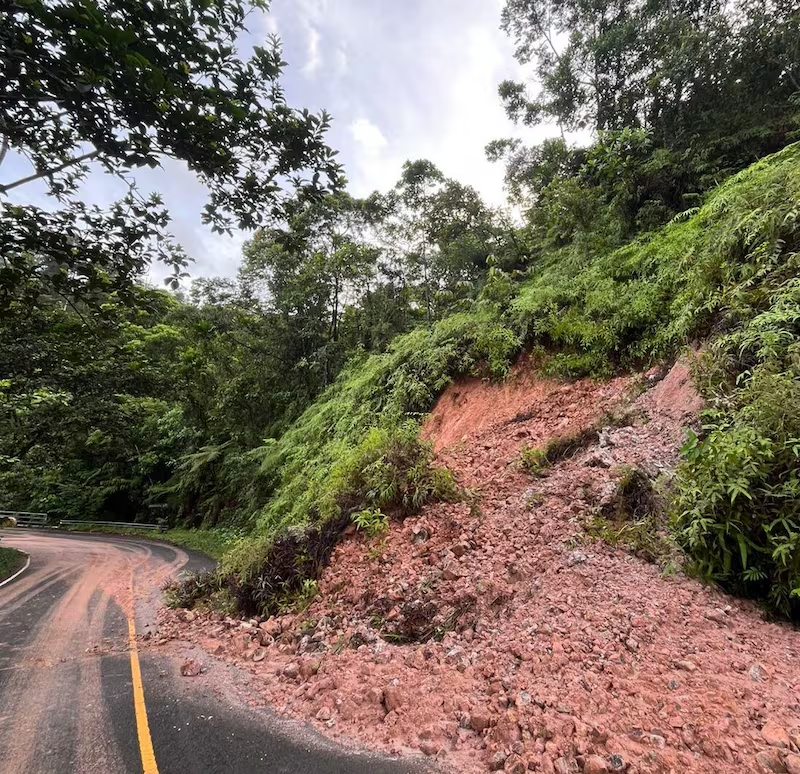
Damage includes crop losses, dead livestock, damaged homes, rural water systems, and broken access roads, worsening conditions in already vulnerable areas. A minor was killed in Guoroni, in the Kankintú district, after a sudden river swell swept him away. Residents recovered the body. Communities including Pumona, Nueva Esperanza, Samboa, Bisira, Kankintú, Kusapín, Chucará, and sectors of Changuinola are facing direct flooding impacts. In Veraguas, places such as Calovébora, Río Luis, and Belén are reporting landslides and infrastructure damage.
The situation has also affected hanging bridges, several of which have been damaged by rising rivers, leaving some populations nearly isolated. Education authorities have ordered all schools on the northern coast of Veraguas to remain closed, while assessments continue in the Ngäbe Buglé comarca. In Bocas del Toro, at least 13 schools have suspended classes as a precaution. In Chucará, the local health post lost all of its medical supplies, adding pressure to communities already facing difficult access and emergency conditions. Humanitarian assistance is moving into the affected areas.
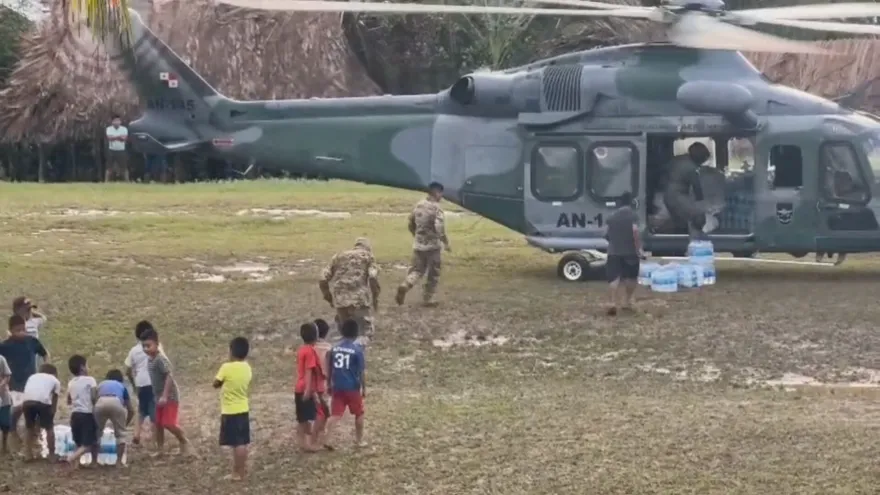
With support from the National Aeronaval Service, food, drinking water, and kitchen kits have been flown to hard-to-reach locations. The flooding highlights the vulnerability of rural and indigenous communities when heavy rain damages roads, bridges, crops, and basic services at the same time. Authorities continue damage assessments and road-clearing work while coordinating with agricultural and health agencies. Even so, the emergency remains active. Officials say nearly 90% of elevated tambo-style homes have withstood the floods, but they continue to urge residents to stay alert to official warnings as rain-affected areas remain under close watch.